
|
|
Guide Navigation
- Section 1: Introduction to Centrifugation: Beyond Simple Spinning
- Section 2: The Language of Centrifugation: Understanding RCF and RPM
- Section 3: A Journey Through Time: The History and Evolution of the Centrifuge
- Section 4: Anatomy of a Modern Laboratory Centrifuge
- Section 5: A Spectrum of Separation: Types of Centrifugesr
- Section 6: Centrifuges in Action: Applications Across Key Sectors
- Section 7: The Procurement Guide: How to Select the Right Centrifuge
- Section 8: Overview of Key Market Players
- Section 9: The Future of Centrifugation: Innovations and Trends
Section 1: Introduction to Centrifugation: Beyond Simple Spinning
The centrifuge (View HINOTEK Centrifuge Category) stands as a cornerstone of modern science, industry, and medicine. It is a foundational piece of equipment found in virtually every research, clinical, and industrial laboratory worldwide. At its most basic, a centrifuge is a device that separates mixtures, but its true significance lies in its ability to accelerate a fundamental physical process, enabling discovery, diagnostics, and production on a scale that would otherwise be impossible. This guide provides an exhaustive overview of the centrifuge, from its core scientific principles and rich history to the diverse technologies and critical procurement considerations that define the modern market. It is designed to serve as an authoritative resource for international distributors, laboratory managers, and procurement specialists who require a nuanced understanding of this essential technology.
What is a Centrifuge and Its Core Function?
A centrifuge is a sophisticated laboratory and industrial instrument that utilizes high-speed rotation to generate a powerful centrifugal force. This force is applied to a liquid mixture, causing its components to separate based on their physical properties, primarily density, but also size and shape. The core function of a centrifuge is to dramatically accelerate the natural process of sedimentation. Under the influence of Earth’s gravity, denser particles in a solution will eventually settle to the bottom of a container. However, for microscopic particles or instances where the density differences are minimal, this process can take an impractically long time, sometimes even centuries. The centrifuge overcomes this limitation by replacing the relatively weak force of gravity with a centrifugal force that can be thousands, or even millions, of times stronger, achieving in minutes what would otherwise take days or longer.
This ability to rapidly and efficiently separate materials is what makes the centrifuge an indispensable “platform technology.” Its value is not derived from a single function but from the countless downstream applications it enables across disparate fields. The same fundamental principle used to separate cream from milk in the dairy industry is also used to isolate viral particles for vaccine development, prepare patient blood samples for life-saving diagnostic tests, and even enrich uranium for nuclear power. For any organization, an investment in a centrifuge is an investment in a core capability, unlocking the potential for a vast array of scientific and industrial processes.
The Fundamental Principle: Harnessing Centrifugal Force for Separation
 |
The operation of every centrifuge is governed by the principle of sedimentation under an applied force. When a sample is placed in a centrifuge rotor and spun at high speed, every particle within the sample is subjected to a powerful outward-acting force known as centrifugal force. This force compels particles to move away from the center of rotation.
The outcome of this process is determined by how each particle interacts with the opposing forces within the sample tube: the buoyant force of the liquid medium and the frictional force of the particle moving through that medium. When the centrifugal force acting on a particle is greater than the combined buoyant and frictional forces, the particle will migrate away from the axis of rotation. Because denser and larger particles experience a greater net force, they move outward more rapidly than less-dense and smaller particles. This differential migration is the essence of centrifugal separation.
In the most common laboratory application, known as pelleting, this process results in a clear physical separation of components within the sample tube. The denser, heavier materials are forced to the bottom of the tube, where they accumulate into a compact mass called the pellet. The less-dense liquid that remains above this solid mass is called the supernatant. This simple yet powerful outcome allows for the easy separation and subsequent analysis or use of either the purified liquid or the concentrated solid material.
Key Factors Influencing Centrifugal Separation
The success and reproducibility of any centrifugation protocol depend on the precise control and understanding of several key variables. These factors can be broadly categorized into three groups: the physical properties of the particles being separated, the characteristics of the medium they are suspended in, and the operational parameters of the centrifuge itself. An effective separation is achieved only when these factors are appropriately balanced for the specific application.
- Particle Properties: The intrinsic characteristics of the particles in the mixture are the primary determinants of their behavior in a centrifugal field. These include:
- Density: The greater the difference in density between a particle and the surrounding liquid, the faster it will sediment.
- Size and Shape: Larger particles present a greater surface area to the centrifugal field and thus sediment faster. Similarly, spherical particles move more efficiently through the medium than irregularly shaped ones, which experience greater frictional drag.
- Medium Properties: The liquid in which the particles are suspended plays a critical role by exerting buoyant and frictional forces that counteract the centrifugal force.
- Density of the Solution: The buoyant force is determined by the density of the medium. If a particle is less dense than the medium, it will float towards the center of rotation rather than sedimenting outward.
- Viscosity of the Solution: The viscosity of the medium determines the frictional drag on the particles. A highly viscous solution will impede particle movement, requiring higher centrifugal forces or longer run times to achieve separation.
- Instrumental Parameters: These are the variables controlled by the operator.
- Rotational Speed: The speed at which the rotor spins directly determines the magnitude of the centrifugal force applied to the sample. This is the most critical operational parameter.
- Time of Centrifugation: The duration of the run determines the extent of separation. Longer run times allow smaller or less-dense particles more time to sediment completely.
- Temperature: High-speed centrifugation generates significant heat due to air friction. Temperature can affect the viscosity of the medium and the stability of biological samples, making temperature control a crucial factor in many applications.
Section 2: The Language of Centrifugation: Understanding RCF and RPM
For procurement staff, laboratory managers, and technicians, understanding the technical language of centrifugation is essential for ensuring that equipment specifications align with scientific protocols and that results are both accurate and reproducible. The two most fundamental units of measurement—Revolutions Per Minute (RPM) and Relative Centrifugal Force (RCF)—are often used interchangeably, but they represent distinctly different concepts. A failure to appreciate this distinction can lead to significant experimental errors and compromise the validity of results.
RPM (Revolutions Per Minute): A Measure of Speed
Revolutions Per Minute, or RPM, is a straightforward measure of the rotational speed of the centrifuge’s rotor. It quantifies how many complete 360-degree turns the rotor makes in one minute. Centrifuge manufacturers almost universally list a maximum RPM as a primary specification for their instruments, as it is a direct measure of the motor’s performance.
However, while RPM indicates how fast the rotor is spinning, it provides an incomplete picture of the separation process. The speed of the rotor is only one component in the generation of centrifugal force. By itself, RPM does not describe the actual force being exerted on the samples within the tubes, which is the force that drives the separation. Using RPM as the sole parameter for a centrifugation protocol is inherently imprecise because it neglects a critical variable: the size of the rotor.
RCF (Relative Centrifugal Force or g-Force): A Measure of Force
Relative Centrifugal Force, or RCF, is the true measure of the force exerted on the contents of the rotor during a run. It quantifies the amount of acceleration applied to the sample and is expressed in units of gravity, specifically as a multiple of Earth’s standard gravitational acceleration (g). For this reason, RCF is often referred to as “g-force,” and the terms are used interchangeably in scientific protocols (e.g., a run at “10,000 x g”).
Unlike RPM, RCF is a direct measure of the separation power of the centrifuge. It is the force that overcomes the buoyancy and viscosity of the medium to cause particles to sediment. Therefore, it is the RCF, not the RPM, that is the critical parameter for achieving a desired separation outcome.
Why RCF is the Gold Standard for Scientific Protocols
The fundamental distinction between RPM and RCF lies in the influence of the rotor’s geometry. The RCF generated is dependent on two factors: the rotational speed (RPM) and the radius of the rotor—defined as the distance in centimeters from the center of rotation to the point in the tube being measured.
This relationship explains why RPM alone is insufficient for ensuring reproducible results. Consider two centrifuges equipped with rotors of different diameters. If both are set to spin at the same speed, for example, 10,000 RPM, the rotor with the larger radius will subject its samples to a significantly higher RCF than the rotor with the smaller radius. Consequently, running the same protocol on these two machines using only the RPM setting would yield different separation results, compromising the experiment’s validity.
To ensure that experimental results can be accurately replicated in different laboratories using different equipment, scientific protocols must be standardized. This is achieved by specifying the RCF (in x g) and the run time, as these parameters define the actual separation conditions independently of the specific hardware used. The widespread adoption of RCF as the standard unit reflects the maturation of centrifugation from a simple mechanical process into a precise and quantifiable scientific technique. For clinical and diagnostic laboratories operating under strict quality control and regulatory oversight, the ability to validate and document that a sample was processed at a specific RCF is not just a matter of good science—it is a critical component of patient safety and compliance.
The Conversion Formula and Practical Tools
The mathematical relationship between RCF, RPM, and rotor radius (r) is defined by the following formula:
RCF=1.118×10⁻⁵×r×(RPM)2
where RCF is the relative centrifugal force in units of gravity (x g), r is the rotational radius in centimeters (cm), and RPM is the rotational speed in revolutions per minute.
This equation reveals a crucial aspect of centrifugation: the force applied to the sample increases with the square of the rotational speed. This means that doubling the RPM will quadruple the RCF, a non-linear relationship that underscores the importance of precise speed control for high-force applications.
For practical laboratory work, performing this calculation manually is often unnecessary. Most modern centrifuges are equipped with microprocessors that can automatically convert between RPM and RCF. The user simply enters the radius of the installed rotor, and the control panel can then display and regulate the run based on either RPM or RCF, with the latter being the preferred method for protocol adherence. For older instruments without this feature, manufacturers and third-party suppliers provide online calculators and printable charts called nomograms, which allow for quick and easy conversion between the two units.
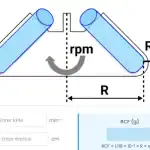 |
HINOTEK also provide online Online Calculators.
This distinction is paramount for both procurement and distribution. A purchasing manager must look beyond a centrifuge’s maximum RPM and ensure that the available rotor combinations can achieve the specific RCF values required by their laboratory’s validated protocols. Similarly, a distributor’s sales and support teams must be fluent in the language of RCF, guiding customers to select the appropriate centrifuge and rotor system that meets the force requirements of their applications, thereby demonstrating technical expertise and building long-term trust.
Understand more information about RCF and force, read our article: Centrifuge RPM vs. RCF (×g): Understanding the Difference and Essential Balancing Tips.
Section 3: A Journey Through Time: The History and Evolution of the Centrifuge
The history of the centrifuge is not merely a timeline of mechanical improvements; it is a compelling narrative of purpose-driven innovation. Each major advancement in centrifuge technology was catalyzed by a specific scientific or industrial challenge, and in turn, these new capabilities opened up entirely new fields of inquiry and production. Understanding this co-evolution of technology and science provides a deeper appreciation for the centrifuge’s indispensable role in the modern world.
From Dairy Farms to DNA Discovery: The 19th-Century Pioneers
While simple hand-powered separators existed as early as the 1400s, the story of the modern centrifuge begins in the mid-19th century with an industrial problem: how to separate cream from milk more efficiently than gravity would allow.
- 1864: The Industrial Birth: The first commercially viable centrifuge was invented by Antonin Prandtl. His machine was designed specifically for the dairy industry, using centrifugal force to rapidly separate the less-dense butterfat (cream) from the denser skim milk on a large scale. This marked the technology’s origin as a powerful tool for industrial processing.
- 1869: The Leap to the Laboratory: The pivotal transition from an industrial tool to a scientific instrument occurred just a few years later. The Swiss physician and biologist Friedrich Miescher was investigating the chemical composition of white blood cells. To isolate the cell nuclei for his study, he developed a crude, self-built centrifuge. Using this device, he successfully isolated a phosphorus-rich substance from the nuclei, which he named “nuclein”. This was the world’s first isolation of what is now known as DNA, a monumental discovery made possible by the application of centrifugal force in a biological laboratory.
- 1879: Commercialization and Refinement: Inspired by Prandtl’s design, the Swedish engineer Gustaf de Laval patented the first continuous centrifugal separator. His machine, which featured a continuously rotating drum, dramatically improved the efficiency of cream separation and was a massive commercial success, revolutionizing the dairy industry and laying the engineering groundwork for many industrial centrifuges that would follow.
The Svedberg Revolution: The Invention of the Ultracentrifuge
By the early 20th century, the scientific challenge had shifted. The question was no longer about separating large components like cells, but about characterizing the invisible world of macromolecules. In the 1920s, Swedish chemist Theodor (The) Svedberg was studying colloids and wanted to determine if proteins were simply loose aggregates of smaller molecules or if they were discrete entities with defined molecular weights. Existing centrifuges lacked the power to sediment individual protein molecules.
To solve this problem, Svedberg and his colleagues developed the ultracentrifuge. This was a technological marvel, an instrument capable of spinning at incredibly high speeds and generating immense centrifugal forces—eventually reaching up to 900,000 times the force of gravity (900,000 x g). By equipping his ultracentrifuge with a sophisticated optical system, Svedberg could observe and measure the rate at which proteins sedimented in real-time. This data allowed him to calculate their precise molecular weights, proving conclusively that proteins were well-defined macromolecules. This work transformed biochemistry and protein science, earning Svedberg the Nobel Prize in Chemistry in 1926.
Modern Milestones: From World War II to the Modern Lab
Svedberg’s invention sparked a new era of innovation, with scientists and engineers pushing the boundaries of speed, efficiency, and application.
- The Vacuum Era (1930s-1940s): At the University of Virginia, Jesse Beams and his graduate student Edward Pickels significantly refined the ultracentrifuge. They recognized that at such high speeds, air friction was a major source of heat and resistance. By placing the rotor in a vacuum chamber, they could reduce friction, allowing for even higher speeds and better temperature control.8 Pickels later developed the first electrically-driven vacuum centrifuge, and in 1949, his company Spinco (later acquired by Beckman Instruments) launched the Model L, the first commercially successful preparative ultracentrifuge.
- The Atomic Age: The strategic importance of centrifugation was starkly demonstrated during World War II’s Manhattan Project. The challenge was to separate the fissile isotope Uranium-235 from the much more common Uranium-238—a task requiring the separation of atoms with a minuscule mass difference. Jesse Beams led a project to develop highly specialized gas centrifuges for this purpose. While the method was ultimately not used for the first atomic bomb, the technology was later perfected and remains a primary method for uranium enrichment today.
- The Micro-Revolution (1962): The next great leap was not in speed, but in scale and accessibility. The German company Netheler & Hinz Medizintechnik, which would later become the renowned brand Eppendorf, addressed a practical need in the burgeoning field of molecular biology: the need to quickly process very small sample volumes. They invented the first microcentrifuge. This compact, relatively inexpensive benchtop device became an instant staple in laboratories worldwide, democratizing high-speed centrifugation and accelerating research in genetics, virology, and biochemistry.
- The Digital Age (1976-Present): In 1976, Hettich introduced the first centrifuge controlled by a microprocessor, heralding the shift from purely mechanical devices to precision-controlled instruments. This innovation paved the way for modern features like programmability, digital displays, and advanced safety interlocks. In the decades since, companies like Beckman, Eppendorf, and Thermo Fisher Scientific have continued to innovate, introducing more powerful floor ultracentrifuges, ergonomic personal centrifuges, and significant advancements in rotor materials, user interfaces, and software integration.
This historical journey reveals a clear pattern: the centrifuge did not evolve in a vacuum. It co-evolved with science and industry, with each new challenge—from separating cream to separating isotopes—driving the creation of a new class of instrument. This context provides a powerful framework for understanding why the modern centrifuge market is so diverse; each type of machine is the solution to a specific problem that a scientist or engineer once faced.
Section 4: Anatomy of a Modern Laboratory Centrifuge
To make an informed procurement decision and ensure safe, effective operation, it is essential to understand the key components that constitute a modern laboratory centrifuge. Each part plays a critical role in the machine’s performance, safety, and longevity. The design of these components reflects a sophisticated balance of power, precision, and user safety, honed over decades of engineering.
The Powerhouse: Motors and Drive Systems
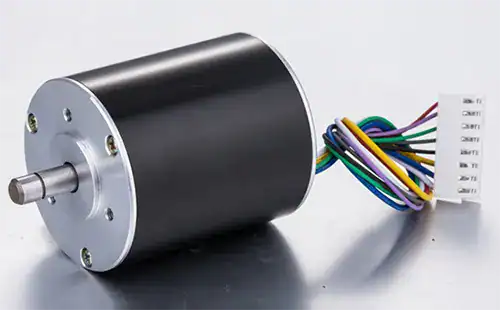 |
The motor is the heart of the centrifuge, responsible for converting electrical energy into the high-speed rotational motion that generates centrifugal force. The type and quality of the motor directly influence the centrifuge’s speed, acceleration, noise level, and maintenance requirements.
- Brushless Induction Motors: The vast majority of modern, high-performance laboratory centrifuges are equipped with direct, brushless induction motors. These motors are the industry standard for several compelling reasons. They operate without carbon brushes, which are a common point of wear in older motor designs. This brushless design makes them exceptionally reliable, quiet, and virtually maintenance-free over the lifespan of the instrument. Furthermore, the absence of brushes means they do not generate carbon dust, a significant advantage for applications in cleanrooms, cell culture facilities, and other sensitive environments where particulate contamination must be avoided.
- Brushed Motors: Some of our economy-class centrifuges still use brushed motors. These motors rely on carbon brushes to transfer current to the rotor. Over time, the carbon brushes wear down and require regular replacement, and they tend to be noisier. However, due to their low cost, they remain widely used in educational and industrial applications.
The Heart of the Machine: Understanding Centrifuge Rotors
 |
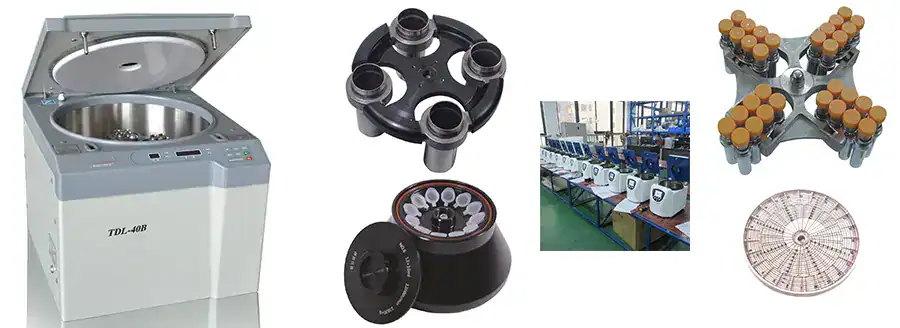
The rotor is arguably the most critical component for defining a centrifuge’s application capabilities. It is the removable assembly that fits onto the motor’s drive shaft, holds the sample tubes securely, and spins at high speed within the centrifuge chamber. The choice of rotor dictates the maximum speed and RCF, the volume and type of samples that can be processed, and the specific separation technique that can be performed. There are three primary types of rotors used in laboratory centrifuges:
- Fixed-Angle Rotors: These rotors hold the sample tubes at a fixed, rigid angle relative to the axis of rotation, typically between 14° and 45°. They are designed for high-speed pelleting applications. During centrifugation, particles are driven outward and quickly impact the outer wall of the tube. They then slide down this wall to form a very tight, compact pellet at the bottom corner. Because of their solid, aerodynamic construction with fewer moving parts, fixed-angle rotors can withstand higher gravitational forces and achieve greater maximum speeds than other rotor types, making them ideal for rapid separation of small particles.
- Swinging-Bucket Rotors (Horizontal Rotors): These rotors consist of a central body with arms that support buckets or carriers for the sample tubes. At rest, the buckets hang in a vertical position, allowing for easy loading and unloading. As the rotor accelerates, the buckets swing outward until they are in a fully horizontal (90°) position. This orientation means that the centrifugal force is applied directly down the length of the tube. The primary advantage of this design is that it allows particles to sediment and form a flat, even pellet at the very bottom of the tube. This creates a clean, horizontal interface between the pellet and the supernatant, which is ideal for applications involving density gradients (such as sucrose or cesium chloride gradients) where distinct bands of separated components must be resolved and carefully extracted. The mechanical stress on the bucket pivots, however, limits their maximum achievable speed and RCF compared to fixed-angle designs.
- Vertical Rotors: In this specialized rotor type, the tubes are held in a vertical orientation, parallel to the axis of rotation, throughout the run. This design provides the shortest possible path length for particles to travel from the top of the sample to the outer wall of the tube, resulting in extremely fast separation times. Vertical rotors are primarily used for isopycnic (buoyant density) separations of macromolecules like plasmid DNA in cesium chloride gradients, where particles migrate to a point in the gradient that matches their own density rather than pelleting at the bottom.
The Brains: Control Panel, Programmability, and User Interface
The control panel is the nerve center of the centrifuge, allowing the operator to precisely define and monitor the parameters of a run. Modern centrifuges have evolved far beyond simple knobs for speed and time. Today’s instruments are managed by sophisticated microprocessors and feature advanced user interfaces:
- Parameter Control: Users can set the rotational speed (either in RPM or, preferably, RCF), the duration of the run, and, on refrigerated models, the precise operating temperature.
- Digital Displays: Bright, clear digital displays, ranging from high-contrast LCDs to full-color, glove-friendly touchscreens, provide real-time feedback on run conditions and system status.
- Programmability: A key feature of modern centrifuges is the ability to create, name, and store multiple user-defined programs. This allows laboratories to save routine protocols, ensuring consistency and reducing the chance of operator error for frequently performed tasks.
Essential Safety and Structural Components
Given the tremendous kinetic energy of a rotor spinning at thousands of RPM, safety is a paramount design consideration. Modern centrifuges incorporate a multi-layered system of safety features to protect both the operator and the instrument.
- Lid and Safety Latch: All centrifuges are equipped with a robust lid and an electronic safety interlock system. This system ensures that a run cannot begin unless the lid is securely closed and latched. Critically, it also prevents the lid from being opened until the rotor has come to a complete and safe stop, preventing any possibility of accidental contact with the moving rotor.
- Imbalance Detection: One of the greatest risks in centrifugation is a severely imbalanced load, which can cause violent vibrations, damage the centrifuge motor, and even cause the unit to move or fall from the bench. To prevent this, modern centrifuges are equipped with imbalance sensors that continuously monitor the rotor’s stability. If a dangerous level of vibration is detected, the system will automatically shut down the run and alert the operator.
- Armored Chamber: The rotor spins within a heavily reinforced containment chamber, typically made of thick steel or stainless steel. This chamber is engineered to contain all rotor fragments and samples in the unlikely event of a catastrophic rotor failure, protecting personnel in the laboratory.
- Refrigeration System: High-speed centrifugation generates a significant amount of heat due to air friction against the spinning rotor. For many biological samples, such as proteins, enzymes, and live cells, this heat can cause denaturation or degradation, rendering the samples useless. Refrigerated centrifuges incorporate a complete cooling system—including a compressor, condenser, and evaporator—that actively removes heat from the rotor chamber, allowing the user to maintain a precise and stable temperature (e.g., 4°C) throughout the run.
The anatomy of a centrifuge reveals a system of carefully balanced trade-offs. The choice of a fixed-angle rotor prioritizes speed and pelleting efficiency over the versatility of a swinging-bucket rotor. The decision to invest in a model with a brushless induction motor prioritizes long-term reliability and a clean operating environment over a lower initial purchase price. A procurement decision, therefore, is not about selecting the best individual component, but about choosing a complete, integrated system whose components and capabilities are perfectly aligned with the laboratory’s primary workflows and safety standards.
Section 5: A Spectrum of Separation: Types of Centrifuges
The global centrifuge market offers a vast and diverse array of instruments, each designed to meet specific needs related to sample volume, required g-force, and application. For a buyer, navigating this landscape can be daunting. The most effective approach is to categorize centrifuges based on a few key characteristics: their physical size (footprint), their performance capabilities, and their specialized functions. This classification provides a logical framework for narrowing down the options and identifying the class of instrument that is best suited for a given laboratory’s requirements.
Classification by Footprint: Benchtop vs. Floor-Standing Models
The most fundamental classification relates to the physical size and placement of the centrifuge.
- Benchtop Centrifuges: As their name implies, these are compact units designed to be placed on a standard laboratory bench. They represent the largest and most diverse category of centrifuges, encompassing a wide range of models from small microcentrifuges to large-capacity, multipurpose units. Their primary advantage is their space-saving design, which is a critical consideration in modern laboratories where bench space is often at a premium. Benchtop models are the workhorses of most research and clinical labs, capable of handling the majority of routine separation tasks.
- Floor-Standing Centrifuges: These are larger, heavier, and higher-capacity instruments that are positioned directly on the laboratory floor. They are typically reserved for applications that exceed the capacity or performance limits of benchtop models. This includes high-throughput processing of large sample volumes, such as in blood banks that need to process hundreds of blood bags, or in biopharmaceutical production for harvesting cells from large-scale bioreactors. The highest-performance ultracentrifuges are also predominantly floor-standing models due to the size and weight of their powerful drive and refrigeration systems.
Classification by Performance and Scale
Beyond their physical size, centrifuges are categorized by their performance capabilities, specifically their maximum speed (RCF) and sample capacity.
- Microcentrifuges (Microfuges): These are small, high-speed benchtop centrifuges designed exclusively for processing small-volume samples in microtubes (typically 0.2 mL to 2.0 mL). Despite their small size, they can generate surprisingly high g-forces, with standard models reaching 12,000–16,000 x g and specialized units exceeding 30,000 x g. They are an indispensable tool in molecular biology for applications like pelleting bacteria, precipitating DNA and RNA, and preparing protein samples for analysis.
- General Purpose & Clinical Centrifuges: This broad category includes versatile benchtop models that operate at low to moderate speeds, typically generating RCFs up to around 6,000 x g. Their key feature is versatility; they are designed to accommodate a wide variety of rotors and adapters, allowing them to spin everything from standard blood collection tubes and 15/50 mL conical tubes to microplates. They are the standard instrument in clinical laboratories for blood and urine processing, as well as in cell culture labs for routine cell harvesting.
- High-Speed Centrifuges: Spanning both large benchtop and floor-standing designs, these centrifuges bridge the gap between general-purpose models and ultracentrifuges. They are capable of generating significantly higher forces, typically in the range of 15,000 to 70,000 x g. This level of force is required for more demanding separations, such as the efficient collection of microbial cells, yeast, and subcellular components like chloroplasts and nuclei. Due to the heat generated at these speeds, virtually all high-speed centrifuges are refrigerated.
- Ultracentrifuges: Representing the apex of centrifuge performance, ultracentrifuges are highly specialized instruments designed to generate extreme g-forces, ranging from 100,000 x g to over 1,000,000 x g, at rotational speeds that can reach 150,000 RPM. To achieve these speeds while managing friction-induced heat, their rotor chambers are both refrigerated and evacuated to a high vacuum. Ultracentrifuges are further divided into two types:
- Preparative Ultracentrifuges: Used to isolate and purify very small biological particles that cannot be pelleted in high-speed centrifuges. Common applications include the purification of viruses, ribosomes, lipoproteins, and individual macromolecules like proteins and nucleic acids.
- Analytical Ultracentrifuges: These are sophisticated research instruments equipped with integrated optical systems (e.g., absorbance or interference optics) that allow for the real-time observation of particles as they sediment. This data is used not for separation, but for the precise characterization of macromolecules, determining properties such as their molecular weight, size, shape, and association state.
Classification by SpecializationFinally, some centrifuges are defined by a specialized function that sets them apart from standard models.
- Refrigerated Centrifuges: This is one of the most important specializations. Any centrifuge, from a microfuge to a floor model, can be a refrigerated centrifuge. They are equipped with an integrated cooling system that allows the user to set and maintain a precise temperature within the rotor chamber, typically from -20°C to 40°C. Refrigeration is absolutely essential for any application involving temperature-sensitive biological samples, as the heat generated during high-speed runs can quickly degrade proteins, enzymes, nucleic acids, and live cells.
- Vacuum Centrifuges / Concentrators: These specialized benchtop instruments have a unique purpose. They combine centrifugation with a vacuum and sometimes controlled heating, not to separate particles, but to rapidly evaporate solvents from a large number of small samples. The centrifugal force prevents the samples from boiling over (bumping) under vacuum as the solvent evaporates. This process is used to concentrate or completely dry down solutes like DNA, RNA, peptides, and other compounds, and is common in high-throughput genomics, proteomics, and drug discovery laboratories.
- Continuous Flow Centrifuges: These are typically large, industrial-scale centrifuges designed for processing very large volumes of liquid in a continuous stream, rather than in discrete batches of tubes or bottles. The sample liquid is pumped continuously into the spinning rotor, where solids are separated and collected, while the clarified liquid (supernatant) is continuously discharged. This method is highly efficient for industrial bioprocessing applications, such as harvesting kilograms of cells or bacteria from large-volume bioreactors.
Centrifuge Type Comparison Matrix
To assist in the selection process, the following table provides a quick-reference comparison of the primary laboratory centrifuge classes, mapping their characteristics to their most common applications.
Section 6: Centrifuges in Action: Applications Across Key Sectors
The theoretical principles and diverse types of centrifuges come to life in their practical applications. Across clinical diagnostics, life science research, and industrial bioprocessing, the centrifuge is not just a tool but an enabling technology that underpins critical workflows and discoveries. Understanding these real-world uses is essential for appreciating the value of specific features and for selecting the right instrument for a given task.
In Clinical and Diagnostic Labs: The Backbone of Medical Testing
In the clinical setting, the centrifuge is a workhorse, essential for preparing patient samples for a vast range of diagnostic analyses. The accuracy of many medical tests depends on the clean and efficient separation of sample components, a task for which the centrifuge is indispensable.
- Blood Component Separation: This is the most ubiquitous clinical application of centrifugation. Whole blood samples are centrifuged to separate them into their constituent parts. For hematology and chemistry tests, blood collected in tubes with an anticoagulant is spun to separate the dense red blood cells at the bottom, a thin middle layer of white blood cells and platelets called the “buffy coat,” and the clear liquid
plasma on top. For serological tests, blood is allowed to clot first, and centrifugation then separates the clotted cells from the liquid
serum. This initial separation step is a prerequisite for hundreds of different diagnostic assays. - Urinalysis: Centrifugation is a standard procedure in urinalysis. Spinning a urine sample concentrates any solid particles into a pellet at the bottom of the tube. This sediment can then be examined under a microscope to identify red and white blood cells, bacteria, crystals, and cellular casts, which are crucial indicators for diagnosing urinary tract infections, kidney diseases, and other metabolic conditions.
- Cytology and Microbiology: In cytology labs, centrifuges are used to concentrate cells from various bodily fluids, such as cerebrospinal fluid or pleural fluid, onto a microscope slide for examination. This is vital for detecting cancerous cells or identifying infectious agents. Similarly, in microbiology, centrifuges can be used to concentrate bacteria from a patient sample like sputum or urine, which facilitates their identification and subsequent testing for antibiotic susceptibility.
- Therapeutic Preparations: Centrifugation is also used directly in therapeutic applications. A notable example is the preparation of Platelet-Rich Plasma (PRP). A sample of the patient’s own blood is centrifuged to concentrate the platelets into a small volume of plasma. This PRP is then injected back into the patient at the site of an injury to promote and accelerate tissue healing.
In Life Science Research: Powering Discovery from Genomics to Proteomics
In the research laboratory, centrifuges are involved in nearly every major workflow, from basic cell culture to advanced molecular biology. The ability to precisely separate biological components is fundamental to understanding their function.
- Cell Culture and Subcellular Fractionation: Centrifugation is used for routine cell culture tasks like harvesting cells from a liquid growth medium or washing them to remove unwanted substances. A more advanced technique,
differential centrifugation, is a cornerstone of cell biology. This method involves a series of centrifugation steps at progressively higher speeds and g-forces. After an initial low-speed spin to pellet whole cells and nuclei, the supernatant is transferred to a new tube and spun at a higher speed to pellet the next-largest organelles, like mitochondria. This process can be repeated at even higher speeds to isolate smaller components like microsomes and ribosomes. This technique allows researchers to isolate and study the function of specific organelles in a purified state. - Nucleic Acid and Protein Purification: The microcentrifuge is the workhorse of molecular biology. It is used in virtually every protocol for extracting DNA and RNA, where it serves to pellet cells, remove cellular debris after lysis, and precipitate the purified nucleic acids from solution. In proteomics, centrifuges are used to clarify cell lysates, perform protein precipitation steps (e.g., with ammonium sulfate), and concentrate purified protein solutions.
- Density Gradient Centrifugation: For separations that require higher resolution than differential centrifugation can provide, researchers use density gradient centrifugation. In this technique, the sample is carefully layered on top of a solution with a pre-formed density gradient (e.g., a sucrose or cesium chloride gradient). During centrifugation, particles migrate through the gradient and separate into distinct bands based on their size and density. This method is powerful enough to separate different types of macromolecules, purify viruses from cellular contaminants, or isolate specific organelles with high purity. This technique almost always requires a swinging-bucket rotor to maintain the integrity of the gradient and the separated bands.
In Industrial and Bioprocessing: From Vaccine Production to Quality Control
On an industrial scale, centrifugation is a critical unit operation for manufacturing, purification, and quality control in a variety of sectors.
- Pharmaceutical and Biotechnology Manufacturing: Large-capacity, high-speed centrifuges are essential for the production of biologics. They are used for the large-scale harvesting of microbial (e.g., E. coli, yeast) or mammalian cells from multi-liter bioreactors. This is a crucial first step in the manufacturing of vaccines, monoclonal antibodies, therapeutic proteins, and other biopharmaceutical products.
- Food and Beverage Industry: The principles of centrifugation are widely applied in food technology. Its original application, separating cream from milk to produce butter and cheese, is still fundamental. It is also used to clarify fruit juices, wine, and beer by removing pulp and yeast; to extract and refine edible oils; and to separate sugar crystals from molasses.
- Environmental and Wastewater Treatment: High-capacity industrial centrifuges, particularly decanter centrifuges, are a key technology in municipal and industrial wastewater treatment plants. They are used for dewatering sludge, which involves separating the solid waste from the liquid phase. This process significantly reduces the volume of the sludge, making it easier and more cost-effective to transport and dispose of.
The breadth of these applications reveals a critical point: the specific centrifugation technique required by an application is as important as the centrifuge itself. A simple task like pelleting cells can be performed in almost any centrifuge. However, isolating organelles requires the more controlled, multi-step process of differential centrifugation, which necessitates a centrifuge with precise RCF control and refrigeration. Purifying a virus with high resolution demands the even more sophisticated technique of density gradient centrifugation, which in turn dictates the need for a swinging-bucket rotor and, often, the high forces of an ultracentrifuge. Therefore, a potential buyer must first understand not just what they need to separate, but how they need to separate it. This understanding of the underlying technique is the key to selecting the appropriate centrifuge system—the right combination of instrument, rotor, and accessories—to achieve the desired outcome.
Section 7: The Procurement Guide: How to Select the Right Centrifuge
Selecting the right centrifuge is a significant capital investment that can impact a laboratory’s efficiency, capabilities, and safety for years to come. The decision-making process should be systematic, moving from broad application needs to specific technical and regulatory requirements. This guide provides a step-by-step framework to help procurement specialists, lab managers, and distributors navigate the selection process and make an informed choice.
Step 1: Define Your Primary Applications
The most crucial first step is to clearly define the primary tasks the centrifuge will be expected to perform. This goes beyond a general category like “cell biology” and requires an inventory of the specific protocols and workflows the instrument will support. Key questions to ask include:
- What substances will be separated? (e.g., mammalian cells, bacteria, proteins, DNA, whole blood, nanoparticles)
- What are the required outcomes? (e.g., simple pelleting, clarification of a supernatant, separation of subcellular organelles, purification of macromolecules in a gradient)
- What are the current and anticipated future needs? A laboratory’s research focus can evolve. Investing in a versatile, multipurpose centrifuge with a broad range of compatible rotors may offer a better long-term return on investment than a highly specialized unit that only serves a single, narrow purpose.
Step 2: Key Performance Specifications to Consider
Once the applications are defined, they must be translated into technical performance specifications.
- Maximum RCF (g-Force): This is the most important performance metric. Review your laboratory’s key protocols to determine the maximum g-force required. A low-speed clinical application might only need 3,000 x g, while pelleting bacteria could require 15,000 x g, and isolating small viruses or exosomes will necessitate an ultracentrifuge capable of generating over 100,000 x g. Always select a centrifuge and rotor combination that can comfortably achieve the highest RCF your applications demand.
- Capacity and Throughput: Evaluate the sample volumes and the number of tubes you need to process in a single run. This determines the required capacity of the centrifuge. Consider both the maximum volume of individual tubes or bottles (e.g., 50 mL, 250 mL, 1000 mL) and the total throughput (e.g., the ability to spin 96 x 15 mL conical tubes or 24 microplates at once). For high-throughput labs, maximizing the number of samples per run is a key factor in overall efficiency.
- Temperature Control: Determine if your samples are temperature-sensitive. Most biological samples, including live cells, proteins, and enzymes, can be damaged or degraded by the heat generated during high-speed centrifugation. If your work involves such samples, a refrigerated centrifuge is an absolute requirement. When evaluating refrigerated models, check the available temperature range (e.g., -10°C to 40°C) and the time it takes for the unit to pre-cool to the desired temperature, as this affects workflow efficiency.
Step 3: Evaluating Rotors and Adapters for Maximum Versatility
A centrifuge is only as useful as the rotors and accessories available for it. The rotor system is what provides the instrument’s flexibility.
- Rotor Type: Ensure the centrifuge model supports the primary rotor types your applications require. This generally means choosing between fixed-angle rotors for high-speed pelleting and swinging-bucket rotors for density gradient work or when a flat pellet surface is needed. Many multipurpose centrifuges can accommodate both types, offering maximum flexibility.
- Adapter System: A comprehensive system of adapters is key to maximizing the utility of a rotor, especially a swinging-bucket rotor. Good adapters allow a single set of buckets to hold many different types and sizes of labware, including various conical tubes, round-bottom tubes, blood collection tubes, and microplates. A centrifuge with a robust and extensive adapter ecosystem is a more versatile and cost-effective long-term investment.
Step 4: Understanding Regulatory Compliance for Your Market
For any centrifuge intended for use in a clinical, diagnostic, or GMP-regulated environment, regulatory compliance is a non-negotiable requirement. This is a particularly critical consideration for international distributors and end-users who must ensure that equipment meets the legal standards of the market in which it will be used.
- CE Marking (European Economic Area): The “CE” mark is a mandatory conformity marking for a wide range of products sold within the European Economic Area (EEA). It signifies that the manufacturer has verified that the product meets all relevant EU health, safety, and environmental protection requirements. A centrifuge sold for general laboratory research purposes in the EU must bear a CE mark.
- CE-IVD Marking (European Union): For a centrifuge that is intended to be used for in vitro diagnostic (IVD) purposes—that is, for the examination of specimens derived from the human body to provide information for diagnosing, monitoring, or treating disease—a standard CE mark is insufficient. Such a device must carry the CE-IVD mark, which indicates compliance with the more stringent EU In Vitro Diagnostic Medical Devices Regulation (IVDR). This involves a more rigorous conformity assessment process, often involving a third-party Notified Body, to ensure the device is safe and effective for its intended diagnostic use. A clinical laboratory purchasing a centrifuge to process patient samples must ensure it is CE-IVD certified.
- FDA Regulation (United States): In the U.S., centrifuges intended for use in the diagnosis of disease are considered medical devices and are regulated by the Food and Drug Administration (FDA). These devices are classified into Class I, II, or III based on their level of risk. Most clinical centrifuges fall into Class I (lowest risk) or Class II. Depending on their classification, they may be exempt from premarket review or may require a
Premarket Notification (510(k)) submission. A 510(k) is a submission made to the FDA to demonstrate that the device is “substantially equivalent” in safety and effectiveness to a legally marketed predicate device. Manufacturers must register their establishments and list their devices with the FDA.
Application-Based Selection Guide
The following table provides a quick reference guide, translating common laboratory tasks into the key equipment specifications required. This tool can help users quickly identify the class of centrifuge and the features they should look for based on their specific workflow.
Application-Based Selection Guide
The following table provides a quick reference guide, translating common laboratory tasks into the key equipment specifications required. This tool can help users quickly identify the class of centrifuge and the features they should look for based on their specific workflow.
To learn more about laboratory centrifuge maintenance, visit our page: [Laboratory Centrifuges Maintenance]
To Learn more about laboratory centrifuge operation, visit our page: [Centrifuge Operation Guide | HINOTEK]
Tips: Warning! Incorrect Centrifuge Placement Can Destroy Your Laboratory Equipment.
Section 8: Overview of Key Market Players
Although many companies manufacture centrifuges—with Chinese models dominating the mid- and low-end markets—the high-end segment is defined by a handful of key players who set the standards for performance and innovation.
- Thermo Fisher Scientific: A dominant force in the life sciences market, Thermo Fisher Scientific offers an exceptionally broad portfolio of centrifuges under well-respected brand names including Sorvall, Megafuge, and Heraeus. The company is a leader in technological innovation, known for pioneering features such as their lightweight and durable
Fiberlite™ carbon fiber rotors and the convenient, tool-free Auto-Lock™ rotor exchange system. Their product range spans from compact microcentrifuges to large-scale bioprocessing systems, catering to nearly every application in research, clinical, and industrial settings. - Eppendorf: A premium German manufacturer with a stellar reputation, particularly within the academic and life science research communities. Eppendorf is credited with inventing the microcentrifuge and continues to be a leader in this segment. The company places a strong emphasis on product quality, ergonomic design, and intuitive user interfaces, as seen in their modern
VisioNize™ touch interface. Their centrifuges are known for their reliability and user-centric features. - Beckman Coulter (a Danaher company): With a rich history in centrifugation, Beckman Coulter is a historic leader, especially in the high-performance segments of the market. Their Avanti series of high-speed centrifuges and Optima series of ultracentrifuges are industry benchmarks, known for their power, reliability, and precision in demanding research applications. As part of the Danaher Corporation, they benefit from a strong global presence and a focus on life sciences and diagnostics.
- Sigma Laborzentrifugen: A specialized German manufacturer that has built a reputation for offering one of the most extensive and versatile product lines available. Sigma is known for its vast selection of centrifuges and an unparalleled range of compatible rotors and accessories, allowing for a high degree of customization to meet very specific user requirements. They offer everything from compact microcentrifuges to large-capacity, floor-standing models.
- Andreas Hettich GmbH & Co.KG: Another venerable German manufacturer, Hettich has a long-standing reputation for producing exceptionally durable and reliable centrifuges for both clinical and research laboratories. Their products are engineered for a long service life, with parts and service often available for a decade after a model is discontinued, resulting in a low total cost of ownership. They were also pioneers in centrifuge control, introducing the first microprocessor-controlled model in 1976.
Analysis of Signature Features and Technologies
Competition in the centrifuge market is increasingly driven by innovations that enhance performance, usability, and safety.
- Rotor Material and Design: A key area of innovation is the shift from traditional metal (aluminum or titanium) rotors to advanced carbon fiber composite rotors, a technology led by Thermo Scientific’s Fiberlite™ line. Carbon fiber rotors offer compelling advantages: they are significantly lighter, which improves ergonomics and reduces wear on the centrifuge’s drive system; they are completely resistant to corrosion; and they are not susceptible to the metal fatigue that can limit the lifespan of metal rotors. This often translates to longer warranties—up to 15 years for carbon fiber compared to 7-10 years for metal.
- Workflow and Safety Enhancements: Manufacturers are focused on features that make centrifuges easier and safer to use. This includes tool-free, push-button rotor exchange systems like Thermo’s Auto-Lock™ and NuAire’s ClickSpin, which allow users to swap rotors in seconds. Another critical innovation is in biocontainment, with single-action, glove-friendly lids like
Thermo’s ClickSeal™ and Eppendorf’s QuickLock™ that provide certified protection against aerosols without cumbersome screw caps. Automatic rotor recognition, a feature on most advanced models, prevents dangerous over-speeding by automatically identifying the installed rotor and limiting the maximum speed accordingly. - User Interface and Data Management: The user interface has evolved from basic knobs and LED displays to sophisticated, full-color touchscreen interfaces like those found on Eppendorf’s 5910 Ri and Thermo’s Pro series centrifuges. These modern interfaces simplify programming, reduce operator error, and often include advanced features for user management and run documentation, which is crucial for laboratories operating under Good Laboratory Practice (GLP) or Good Manufacturing Practice (GMP) regulations.
Section 9: The Future of Centrifugation: Innovations and Trends
While the fundamental principles of centrifugation have remained constant for over a century, the technology itself is continuously evolving. The driving forces behind modern innovation are no longer solely focused on achieving higher speeds and greater g-forces. Instead, the future of centrifugation is being shaped by advancements in material science, digital connectivity, user-centric design, and a growing commitment to environmental sustainability. These trends reflect a broader shift in laboratory technology, moving away from standalone instruments toward intelligent, interconnected systems that enhance efficiency, safety, and data integrity.
Material Science: The Advantages of Carbon Fiber Rotors
One of the most significant recent innovations in centrifuge hardware is the widespread adoption of carbon fiber composite rotors. These advanced materials offer a host of benefits over traditional rotors machined from aluminum or titanium alloys, fundamentally changing the user experience and the long-term economics of centrifuge ownership.
- Lighter Weight and Improved Ergonomics: Carbon fiber rotors can be up to 60% lighter than their metal counterparts of the same capacity. This dramatic weight reduction makes them significantly easier and safer for technicians to handle, reducing the risk of strain or injury when loading and unloading the centrifuge. This lighter mass also allows for faster acceleration and deceleration, which can shorten total run times and increase laboratory throughput.
- Corrosion and Fatigue Resistance: Unlike metal rotors, which are susceptible to damage from moisture and chemical corrosion, carbon fiber composites are inert and corrosion-proof. They are also immune to the metal fatigue that results from the repeated stress of high-speed rotation. This means carbon fiber rotors do not need to be “de-rated” (have their maximum speed reduced) as they age, and they often come with much longer warranties—typically 15 years, compared to 7-10 years for metal rotors.
- Enhanced Durability: The unique properties of carbon fiber composites also mean that, in some cases, a damaged rotor can be repaired by the manufacturer, whereas a damaged metal rotor must be retired from service immediately.
Smart Centrifuges: Connectivity, Automation, and Real-Time Monitoring
The next frontier for centrifuge technology is its integration into the modern digital laboratory ecosystem. The “smart” centrifuge is moving from a concept to a reality, with new features focused on data management, remote operation, and automation.
- Connectivity and Remote Monitoring: Newer centrifuge models are being designed with connectivity options that allow them to be monitored remotely via a network or a mobile application. This allows a lab manager to check the status of a run, receive notifications upon its completion, and access run logs without being physically present at the instrument. This capability is particularly valuable for long runs or for managing multiple instruments across a facility.
- Automation Integration: In high-throughput environments like drug discovery and clinical testing, centrifuges are being designed for seamless integration with robotic liquid handling systems. This requires specialized features such as automatically opening and closing doors and rotors that can be programmed to stop in a precise, repeatable orientation, allowing a robotic arm to access the tubes without manual intervention.
- Real-Time Sample Monitoring: Emerging research is focused on developing “smart” tube holders equipped with wireless sensors that can monitor the process of sample sedimentation in real-time. Such a system could automatically stop the centrifuge as soon as the desired level of pelleting is achieved, optimizing run times for maximum efficiency and potentially providing valuable quality control data for each sample.
Enhanced Ergonomics and User Safety
Recognizing that centrifuges are used daily by laboratory personnel, manufacturers are placing a greater emphasis on user-centric and ergonomic design.
- Improved User Interface: Intuitive, glove-friendly touchscreen interfaces are replacing complex keypads, reducing programming time and minimizing the potential for user error.
- Easier Access and Handling: Designs are trending toward lower deck heights for easier loading and unloading of rotors, and motorized, soft-touch lid closures that require minimal effort to operate.
- Tool-Free Operation: Features like tool-free rotor exchange systems and single-action biocontainment lids not only speed up workflows but also enhance safety by ensuring a secure and proper fit every time.
Sustainability in the Lab: Energy Efficiency and Greener Refrigerants
As laboratories and their parent institutions become more environmentally conscious, sustainability has become a key driver of innovation.
- Energy Efficiency: Manufacturers are incorporating energy-saving features into their designs. These include “Green Mode” functions that automatically power down the cooling system and displays when the centrifuge is idle, as well as more efficient brushless motors and refrigeration systems that reduce overall power consumption. In ultracentrifuges, advanced “Smart Vacuum” systems reduce air friction on the rotor, which in turn reduces the energy needed by both the drive motor and the cooling system.
- Sustainable Refrigerants: In response to global regulations aimed at phasing out refrigerants with high global warming potential, centrifuge manufacturers are transitioning to more environmentally friendly alternatives. For example, some new refrigerated models now use natural refrigerants like R290 (propane), which has a Global Warming Potential (GWP) that is orders of magnitude lower than the traditional hydrofluorocarbon (HFC) refrigerants used in older systems.
Collectively, these trends indicate a significant evolution in the role of the centrifuge. It is transforming from a standalone separation tool into a sophisticated, workflow-integrated separation platform. For distributors and procurement managers, this means the conversation around selecting a new centrifuge must also evolve. While performance specifications like RCF and capacity remain crucial, the new value propositions are found in how a device improves data management, enhances user safety, integrates with automation, and helps the organization achieve its sustainability goals. These are the features that will define the next generation of centrifugation.
| Centrifuge Type | Typical Footprint | Typical Max RCF Range (x g) | Typical Capacity Range | Key Features | Primary Applications |
| Mini Centrifuge | Benchtop | 12,000 – 30,000+ | 12-48 x 1.5/2.0 mL tubes | High speed, small volume | DNA/RNA/protein prep, PCR cleanup, pelleting bacteria |
| Clinical Benchtop | Benchtop | 2,000 – 6,000 | 24-100+ blood tubes | Versatility, moderate speed | Blood component separation, urinalysis, cell washing |
| Multipurpose Benchtop | Benchtop | 5,000 – 25,000+ | 4 x 250 mL to 4 x 1000 mL | High capacity, rotor versatility | Cell culture harvesting, microplate spinning, general prep |
| High-Speed Refrigerated | Benchtop / Floor | 20,000 – 70,000 | 6 x 250 mL to 6 x 1000 mL | High force, refrigeration | Subcellular fractionation, microbial harvesting, protein precipitation |
| Ultracentrifuge | Floor | 100,000 – 1,000,000+ | 6 x 30 mL to 6 x 250 mL | Extreme force, vacuum, refrigeration | Virus purification, exosome isolation, lipoprotein separation |
| Vacuum Concentrator | Benchtop | Low (~500) | 100+ microtubes/wells | Vacuum, heat, concentration | Solvent evaporation, sample drying (DNA, RNA, peptides) |
| Common Lab Task | Required Centrifuge Type | Recommended Rotor Type | Typical RCF Range (x g) | Typical Sample Volume | |
| Separate Serum/Plasma from Blood | Clinical Benchtop | Swinging-Bucket | 2,000 – 3,000 | 5-10 mL blood tubes | |
| Pellet Mammalian Cells (Cell Culture) | Multipurpose Benchtop (Refrigerated) | Swinging-Bucket or Fixed-Angle | 800 – 1,500 | 15 mL / 50 mL conical tubes | |
| Isolate Plasmid DNA (Miniprep) | Microcentrifuge | Fixed-Angle | 12,000 – 16,000 | 1.5-2.0 mL microtubes | |
| Pellet Bacteria from 1L Culture | High-Speed Refrigerated | Fixed-Angle | 10,000 – 15,000 | 250-1000 mL bottles | |
| Isolate Mitochondria (Differential) | High-Speed Refrigerated | Fixed-Angle | 15,000 – 20,000 | 50 mL conical tubes | |
| Purify Viruses (Sucrose Gradient) | Ultracentrifuge | Swinging-Bucket | 100,000 – 250,000 | 5-38 mL ultracentrifuge tubes | |
| Model | Manufacturer | Max. RCF (x g) | Max. Capacity | Temperature Range (°C) | Signature Features |
| Thermo Scientific Sorvall ST 8R | Thermo Fisher Scientific | 24,328 | 4 x 145 mL / 6 x 50 mL | Ambient to -10°C (approx.) | Auto-Lock™ rotor exchange, ClickSeal™ biocontainment lids, broad rotor selection including Fiberlite™ carbon fiber options. |
| Eppendorf 5910 Ri | Eppendorf | 22,132 | 4 x 1000 mL | -11 to 40 | Large VisioNize™ touchscreen interface, advanced user management, QuickLock™ lids, universal rotor/bucket system. |
| Beckman Coulter Allegra X-15R | Beckman Coulter | 11,400 | 4 x 750 mL | -10 to 40 | ARIES™ Smart Balance Rotor system (auto-corrects imbalance), brushless induction motor, user programs. |
| Sigma 3-16KL | Sigma Laborzentrifugen | 21,913 | 4 x 400 mL | -10 to 40 | Patented one-knob controller, program memory, extensive range of rotors and accessories, quiet operation. |
| Hettich ROTOFIX 32 A | Andreas Hettich | 4,226 | 4 x 100 mL | Ambient (non-refrigerated) | Rugged construction, simple interface, long service life, ideal for clinical and routine applications, low cost of ownership. |
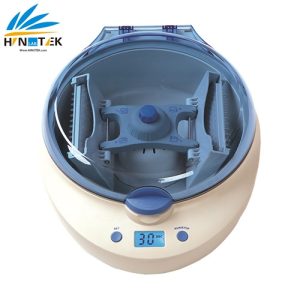
Below is a selection of HINOTEK’s featured Centrifuge. To see our full range, please visit HINOTEK main Centrifuge Category Page.



This guide is maintained by HINOTEK’s core technical team, comprised of senior engineers and application scientists with over two decades of hands-on experience in fields such as microscopy, centrifugation, and spectrophotometry. We are committed to ensuring that every piece of information in this guide—from instrument principles and technical specifications to laboratory procurement advice—maintains the highest level of accuracy and timeliness.
This content is regularly reviewed and updated to reflect the latest industry standards and technological advancements. We value feedback from the global scientific community. Should you have any questions or suggestions, or wish to discuss any technical details, please do not hesitate to contact our expert team at [email protected].
Works cited
1. What Is A Centrifuge & What Does It Do in a Lab?
2. Centrifugation Principles | Supernatant vs Pellet
3. 8 Types of Laboratory Centrifuges & The Purposes They Serve
4. Centrifuge: Principle, Parts, Types, and Applications – Microbe Notes
5. How Does a Centrifuge Work? Guide to Centrifuge Machines – Drucker Diagnostics
6. Ultracentrifuge – Wikipedia
7. Centrifugal Sedimentation – HORIBA
8. Centrifugation Separations – Sigma-Aldrich
9. Why do papers use “rpm” and not “x g” or “rcf” when describing centrifugation – Reddit
10. Centrifuge RCF And RPM | Difference & RCF Calculation