
 |
Warning! Incorrect Centrifuge Placement Can Destroy Your Laboratory Equipment
Is low-speed centrifugal logic applicable to high-speed runs? Are you balancing sample tubes accurately? Discover why minor operational errors compromise lab safety and equipment lifespan.
⚠️ Critical Laboratory Safety Alert
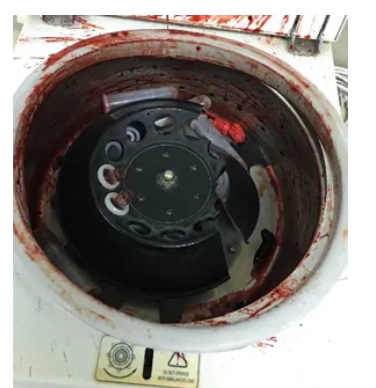
Improper use of laboratory centrifuges poses severe occupational hazards. Recent global industrial and clinical laboratory audit reports highlight fatal incidents caused by violating centrifuge safety compliance standards—including high-velocity rotor expulsions breaking through the centrifuge chambers and fatal flash explosions during chemical centrifuge maintenance. What seems like a minor oversight can lead to catastrophic equipment failure or severe workplace injury.
The Core Value of Centrifuges in Scientific Research and Bio-Manufacturing
In biomedical laboratories, biopharmaceutical facilities, and clinical testing centers, a high-performance centrifuge is an indispensable asset for downstream processing. By utilizing centrifugal force to isolate components of varying densities, it serves as the foundational pillar for critical workflows:
- Essential Sample Pretreatment: Facilitates the separation of serum or plasma from whole blood, extracts cell debris from tissue homogenates, and harvests microbial biomass from fermentation broths.
- Molecular Biology & Diagnostics: Vital for removing protein impurities during DNA/RNA extraction, purifying specific antibody fractions, and concentrating samples prior to downstream PCR amplification.
- Biologics Quality Control: In vaccine manufacturing, low-temperature refrigerated centrifuges clear impurities while preventing the crystallization of active pharmaceutical ingredients (APIs), ensuring vaccine stability.
- Clinical Diagnostic Accuracy: Enables rapid separation of blood components in hospital laboratories, guaranteeing highly precise biochemistry and hematology test results for timely clinical decisions.
Centrifuge Operation: Crucial Safety Protocols to Prevent Equipment Damage
When operating at high angular velocities, even the slightest imbalance or misplacement is amplified, triggering severe chassis vibration, mechanical wear, or structural failure. Avoid these critical mistakes to protect your investment:
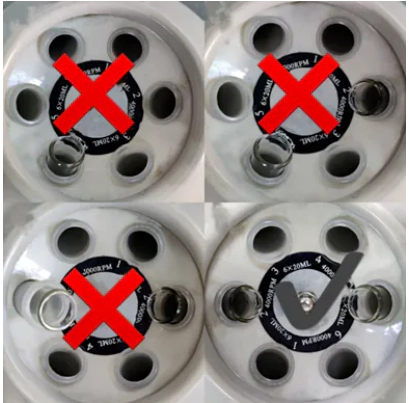 |
1. Asymmetrical Loading & Imbalance (Risk of Rotor Failure)
Placing centrifuge tubes asymmetrically exerts uneven stress on the drive shaft. Over time, micro-fatigue leads to catastrophic rotor breakage, causing the rotor to breach the protective containment chamber at high velocity and destroy the surrounding laboratory workstation.
💡 Technical Expert Solution: Use an analytical electronic balance to pair and counter-balance loads within a 0.1g tolerance. When sourcing equipment, prioritize benchtop or floor-standing centrifuges engineered with integrated imbalance detection systems.
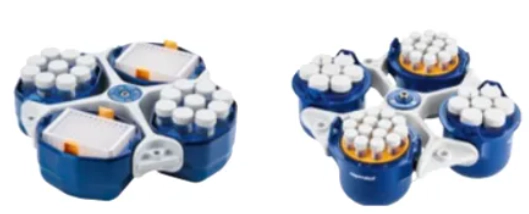 |
2. Exceeding Rated Speeds (Risk of Tube Implosion)
Every centrifuge rotor and adapter has a maximum relative centrifugal force (RCF) rating. Subjecting standard 1.5mL microtubes to extreme forces (e.g., 20,000×g) without verifying technical ratings results in tube implosion, aerosol generation, and biohazard contamination.
💡 Technical Expert Solution: Strictly adhere to the rated RPM/RCF parameters etched on the rotor. Ensure your lab standardizes on heavy-duty, high-clarity polypropylene (PP) centrifuge consumables designed for ultra-centrifugation.
3. Operating Without the Rotor Lid (Risk of Motor Burnout)
Running a fixed-angle rotor without its aerodynamic inner lid generates massive aerodynamic drag and eddy currents. This forces the drive motor to work under extreme load, causing current spikes that burn out the motor coils.
💡 Technical Expert Solution: Double-check the rotor lid lock mechanism before initiating the run sequence. For lab automation, source equipment features an electronic lid-lock safety interlock.
4. Neglecting Chamber Hygiene (Risk of Cross-Contamination & Corrosion)
Allowing sample spills or condensation to sit in the centrifuge chamber creates a breeding ground for microbial growth and biochemical corrosion, compromising cleanroom standards and subsequent experimental integrity.
💡 Technical Expert Solution: Implement a strict SOP: wipe down the rotor and chamber with 75% ethanol or specialized laboratory disinfectants after every cycle. Regularly inspect and lubricate the rotor O-rings and seals.
To learn more about centrifuges, visit our page:What Is A Centrifuge?
Optimize Your Lab Supply with HINOTEK Centrifuges
HINOTEK offers an extensive portfolio of high-precision scientific instruments—including clinical low-speed centrifuges, high-speed micro-centrifuges, and large-capacity refrigerated models—engineered to meet strict international laboratory safety and performance metrics.
We provide tailored procurement solutions based on your specific application requirements, throughput needs, and budget constraints. From model selection and technical specifications verification to global logistics support, HINOTEK is your trusted supply chain partner.