
Hematocrit Centrifuge
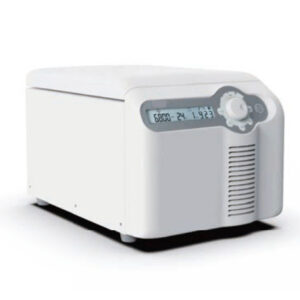
A hematocrit centrifuge, also known as a microhematocrit centrifuge, is an indispensable diagnostic tool found in clinical and research laboratories. It is specifically engineered to spin capillary tubes containing whole blood at high speeds, precisely separating red blood cells from plasma to determine the Packed Cell Volume (PCV). This rapid, simple measurement is essential for diagnosing and monitoring conditions such as anemia, polycythemia, and dehydration.
To explore the technology, working principles, and key applications in greater detail, please visit our comprehensive guide: What is a Hematocrit Centrifuge?


Q&A:
1. Q: Why choose a HINOTEK Hematocrit Centrifuge?
Choosing HINOTEK means investing in proven reliability, performance, and value. With nearly 20 years of manufacturing expertise, we offer an extensive portfolio of Hematocrit Centrifuge, all rigorously quality-controlled and backed by dedicated global support. Our efficient production provides you with premium technology at a competitive price.
2. Q: How to Select a Hematocrit Centrifuge for Your Laboratory?
A: When evaluating models, focus on these critical factors to ensure the selected instrument meets your lab’s operational demands.
- Performance (RCF and Speed): The primary consideration is whether the centrifuge can generate the necessary Relative Centrifugal Force (RCF). It must be capable of reaching at least 10,000 x g to ensure complete and rapid packing of red blood cells. A machine with insufficient force will produce inaccurate, falsely low results.
- Capacity and Throughput: Consider the number of samples your lab processes daily. A standard 24-place rotor is sufficient for most clinical settings, but high-volume labs should prioritize this feature to maximize throughput and efficiency.
- Footprint and Size: Laboratory bench space is often limited. A centrifuge with a compact design helps to optimize the workspace without sacrificing capacity or performance.
- Safety Features: Non-negotiable features include a robust lid-locking mechanism that prevents opening during operation and an automatic imbalance detection system that shuts down the motor if the load is not properly balanced. These features protect both the user and the instrument.
- Usability and Programmability: An intuitive interface with a clear digital display reduces the chance of user error. Models that allow users to save frequently used protocols (e.g., specific time and speed settings) as programs can streamline workflow and ensure consistency.
- Durability and Maintenance: Look for models with robust construction, such as a steel housing, and components known for longevity and low maintenance, like a brushless DC motor. This reduces long-term operational costs and downtime.
3. Q: What kind of quality and support can I expect?
A: You can purchase with complete confidence. Every instrument undergoes strict quality control before shipping. We provide expert remote installation and training support to get your team running quickly. All our products are backed by a full warranty and complimentary lifetime technical guidance to ensure your long-term success.
Need more details on process or logistics? For full information on purchasing, payment, and global shipping, please visit our complete Purchasing & Support Guide.