
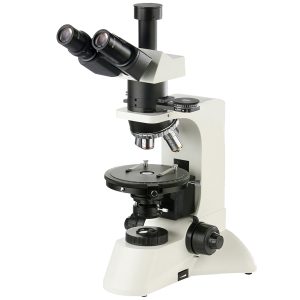
Polarizing Microscope
Utilizes polarized light to analyze the optical properties and structure of anisotropic specimens, essential in geology and materials science.
A polarizing microscope uses polarized light to examine anisotropic specimens, such as minerals, polymers, and crystals. Unlike standard biological microscopes, it reveals optical properties like birefringence and interference colors. This makes it essential for geology, chemical analysis, and quality control in material sciences. If you need a comprehensive breakdown of how these instruments work, their key components, and how to use them effectively, please read our detailed guide: What Is a Polarizing Microscope? A Complete Technical Guide.




1. Q: Why choose a HINOTEK Polarizing Microscope?
Choosing HINOTEK means investing in proven reliability, performance, and value. With nearly 20 years of manufacturing expertise, we offer an extensive portfolio of nearly 20 models Polarizing Microscope, all rigorously quality-controlled and backed by dedicated global support. Our efficient production provides you with premium technology at a competitive price.
2. Q: Where can Polarizing Microscopes be used?
A: Polarizing Microscopes are applicable in geology and petrology, medical diagnostics, asbestos identification, materials science, and other fields.
3. Q: What kind of quality and support can I expect?
A: You can purchase with complete confidence. Every instrument undergoes strict quality control before shipping. We provide expert remote installation and training support to get your team running quickly. All our products are backed by a full warranty and complimentary lifetime technical guidance to ensure your long-term success.
Need more details on process or logistics? For full information on purchasing, payment, and global shipping, please visit our complete Purchasing & Support Guide.