
Coloy Counter (Colonometer) & Hemoglobinometer
A Colony Counter is a fundamental instrument in any microbiology, food safety, or clinical laboratory. It is meticulously designed for the rapid, accurate, and consistent enumeration of microbial colonies (like bacteria or yeast) on an agar plate or Petri dish.
These devices are essential for calculating Colony Forming Units (CFU) and ensuring reproducible, traceable experimental results, replacing the subjectivity and fatigue of manual counting.
To fully understand the operating principles, compare manual vs. automated systems, and explore key applications, please visit our comprehensive pillar page: What is a Colony Counter?
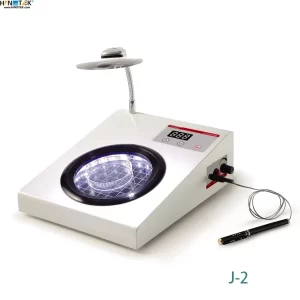

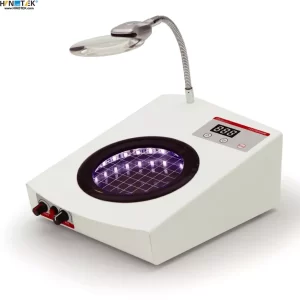
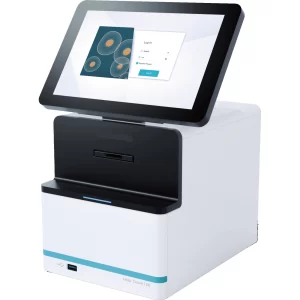

FAQ
1. Q: Why choose a HINOTEK Coloy Counter?
Choosing HINOTEK means investing in proven reliability, performance, and value. With nearly 20 years of manufacturing expertise, we offer an extensive portfolio of Coloy Counter, all rigorously quality-controlled and backed by dedicated global support. Our efficient production provides you with premium technology at a competitive price.
2. Q: Should I buy Manua Colony Counters or Automated Colony Counters?
A: Please review below table:
3. What kind of quality and support can I expect?
You can purchase with complete confidence. Every instrument undergoes strict quality control before shipping. We provide expert remote installation and training support to get your team running quickly. All our products are backed by a full warranty and complimentary lifetime technical guidance to ensure your long-term success.
Need more details on process or logistics? For full information on purchasing, payment, and global shipping, please visit our complete Purchasing & Support Guide.