
|
|
The Foundational Role of Colony Counting in Microbiology
In the field of microbiology, the ability to quantify microorganisms is a fundamental requirement for research, diagnostics, and quality control. This process of enumeration, while seemingly straightforward, underpins the validity of a vast range of scientific conclusions. At the heart of this critical task is the colony counter, a specialized laboratory instrument designed to bring precision, efficiency, and objectivity to what has historically been a tedious and error-prone process.
Defining the Colony Counter: An Essential Laboratory Instrument
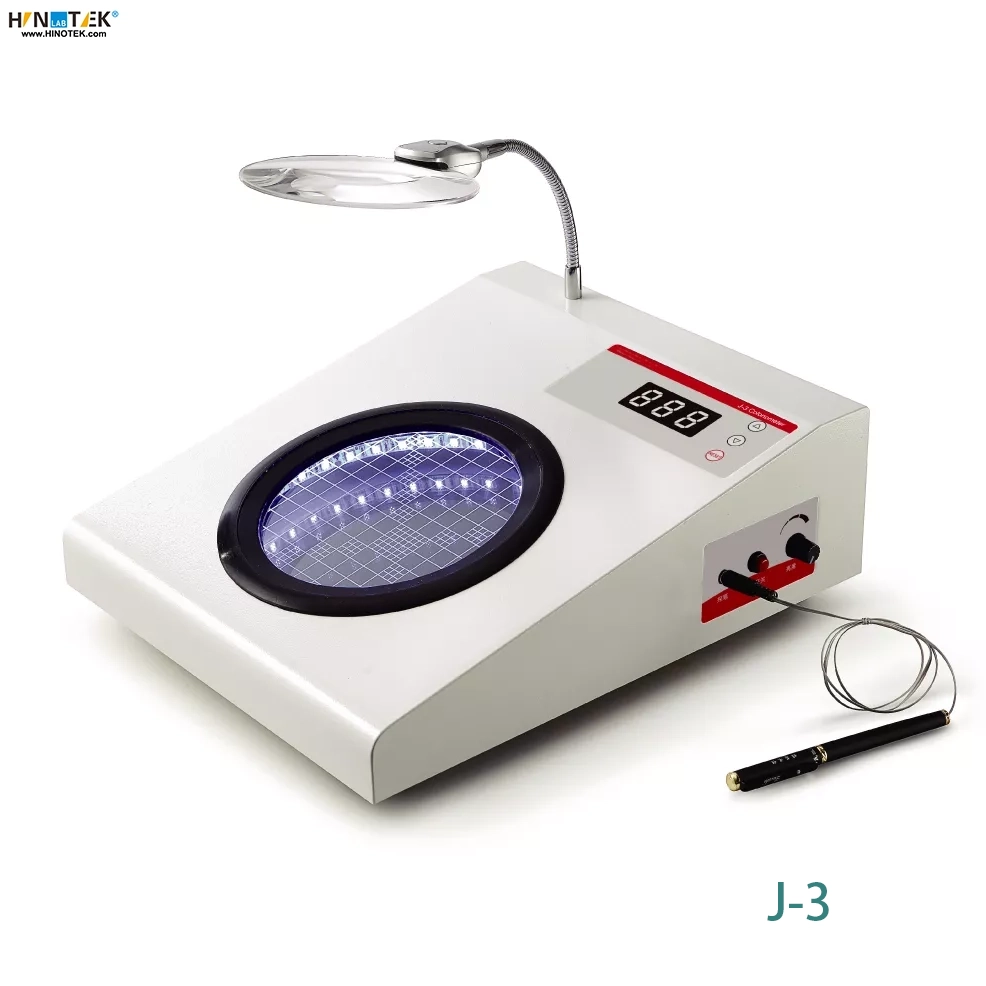
A colony counter (Find the perfect HINOTEK Colony Counter for your lab) is a laboratory device used to accurately and efficiently count colonies of microorganisms, such as bacteria, yeast, and mold, that have been cultured on a solid nutrient medium within a petri dish. Its primary function is to transform the often complex and disordered visual pattern of microbial growth into precise, quantifiable data. By providing a standardized method for enumeration, the instrument minimizes the subjectivity and potential for human error inherent in purely manual counting, thereby enhancing the reliability and reproducibility of experimental results. These devices are considered indispensable tools in any microbiology laboratory, supporting critical functions from fundamental research and clinical diagnostics to industrial quality control in the pharmaceutical, food, and environmental sectors.
The Principle of the Colony Forming Unit (CFU)
The core measurement obtained through colony counting is the Colony Forming Unit (CFU). A CFU is a unit used to estimate the number of viable microbial cells—those capable of reproduction—within a given sample. The foundational assumption of the viable plate count method is that a single visible colony, a cluster of millions of cells, originates from the proliferation of a single viable cell or a small, inseparable cluster of cells that was deposited on the agar plate. Therefore, by counting the number of distinct colonies, a microbiologist can estimate the concentration of living microorganisms in the original sample.
This entire practice is based on a crucial biological assumption: that one colony arises from one CFU. This makes the CFU a biological proxy for viable cell concentration, not a direct, absolute count of every individual cell. The final result is not a perfect measurement but a carefully derived estimate. This inherent layer of estimation highlights the critical need for standardized equipment like colony counters. Their primary value is not just in the act of counting itself, but in making this estimation process as reproducible and consistent as possible. The instrument’s role is to eliminate the significant operator errors of miscounting, double-counting, or losing track, thereby standardizing a critical step in a multi-stage estimation workflow. The final concentration is typically expressed as CFU per unit of volume or weight (e.g., CFU/mL or CFU/g), a value calculated by multiplying the raw colony count by the sample’s dilution factor.
Why Accurate Microbial Enumeration is Critical for Scientific Validity
Accurate colony counts are essential for converting raw microbial growth into actionable insights, forming the quantitative backbone for a multitude of applications. The implications of this data are vast, directly influencing scientific conclusions and industrial process decisions.
- Quantification and Viability Assessment: Colony counting allows researchers to determine the population size of microorganisms in a sample and, crucially, to assess their viability. Since only living cells can proliferate to form colonies, the CFU count is a direct indicator of a sample’s biological activity, whether for assessing the potential to cause infection or to carry out a function like fermentation.
- Monitoring Microbial Growth and Efficacy of Agents: By enumerating colonies at different time points or under different conditions, scientists can monitor microbial growth patterns. This is fundamental for evaluating the effects of growth-promoting substances or, more commonly, antimicrobial agents. For example, the efficacy of a new antibiotic is determined by comparing the colony counts of a target pathogen before and after treatment. An inaccurate count can lead to incorrect conclusions about a drug’s effectiveness.
- Industrial Quality Control and Public Safety: In industrial settings, particularly in the pharmaceutical and food and beverage sectors, colony counting is a non-negotiable step in quality control. It is used to monitor contamination levels in raw materials, in-process samples, and finished products to ensure they meet stringent safety standards before being released to the public.
Operating Principle of the Manual Colony Counter
The manual colony counter is a classic example of an instrument designed to enhance human capability rather than replace it. Its operating principle is elegantly simple, leveraging the superior pattern-recognition skills of the human eye while using electronics to eliminate the most common sources of human error in a repetitive task.
The Core Mechanism: From Visual Identification to Digital Tally
The operational workflow of a manual colony counter is a direct, tactile process. The operator begins by placing a petri dish containing cultured colonies onto an illuminated platform. Using their expertise, the operator visually identifies an individual colony, often with the assistance of an integrated magnifying lens to resolve small or closely spaced growths.
The key action involves a specialized probe pen. The operator presses the tip of this pen onto the surface of the identified colony, which simultaneously leaves a small physical mark on the petri dish. This physical pressure is detected by a sensitive electronic pad located beneath the dish. Upon detection, the pad sends an electrical signal to the main unit, which registers the count, increments the number on the digital display, and typically emits an audible beep to provide immediate confirmation to the operator. This cycle is repeated for every colony on the plate.
Ensuring Accuracy: How the System Prevents Double-Counting and Omissions
The ingenuity of the manual colony counter lies in its closed-loop feedback system that directly addresses the two most frequent errors in manual enumeration: counting the same colony twice and failing to count a colony at all. The combination of a physical mark left by the pen and the immediate auditory and visual feedback from the counter creates a robust system for tracking progress.
The operator can see at a glance which colonies have already been marked, making it nearly impossible to double-count one accidentally. Similarly, the systematic process of marking every visible colony ensures that none are inadvertently omitted. This method is a significant improvement over less reliable techniques that depend on the operator’s memory or on making tick marks on a separate sheet of paper, where distractions can easily lead to a loss of place and an inaccurate final tally. This system effectively assigns tasks to the party best suited for them: the human performs the complex cognitive task of identifying what constitutes a colony, while the machine flawlessly handles the rote, error-prone tasks of memorization and tallying.
Anatomy of a Manual Colony Counter: A Component-by-Component Breakdown
 |
 |
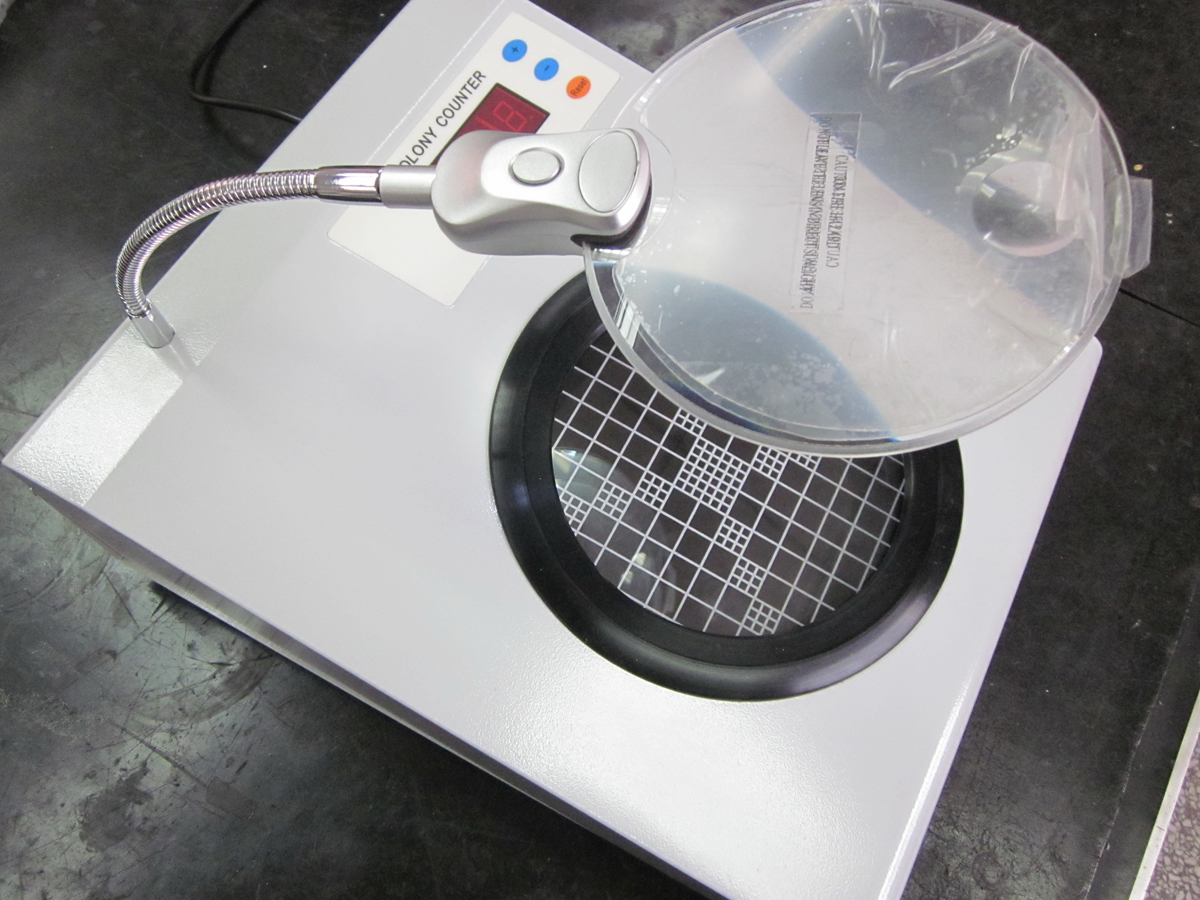
A manual colony counter is an assembly of components, each engineered to address a specific perceptual or cognitive challenge associated with manual enumeration. Understanding the function of each part reveals a thoughtful design aimed at maximizing accuracy and minimizing operator fatigue.
Illumination System: The Role of Backlighting and Dark-Field Technology
Proper illumination is the first requirement for an accurate count, as it determines the contrast between the colonies and the agar background. Most modern units employ energy-efficient, long-lasting LED lighting systems to provide bright, uniform, and glare-free light.
Some advanced models incorporate Dark-Field technology. Unlike standard backlighting, which shines light directly through the agar, a dark-field system uses indirect lighting projected from the side. This technique prevents light from diffusing through the agar itself. As a result, the colonies, which are slightly raised from the surface, scatter the light and appear as bright points against a dark background. This method dramatically improves contrast, especially for translucent or faintly colored colonies, making them easier to count and significantly reducing eye strain for the operator.
Magnification Lens: Enhancing Visibility of Small or Faint Colonies
To address the limits of human vision, a colony counter is typically equipped with an adjustable magnifying lens, often mounted on a flexible arm. This allows the operator to position the lens for optimal viewing, making it possible to clearly visualize and accurately count very small “pinpoint” colonies or colonies that are packed closely together. Without magnification, such colonies might be missed entirely or incorrectly counted as a single entity, leading to underestimation. Common magnification powers range from 3x to 9x, providing the necessary enhancement for a wide variety of microbiological assays.
The Counting Platform and Pressure-Sensitive Pad
The base of the unit features a platform designed to securely hold the petri dish during counting. This platform houses the core of the counting mechanism: a highly sensitive electronic pressure pad. This surface detects the slight pressure exerted when the operator touches a colony with the probe pen. To prevent accidental counts from an unsteady hand or variations in operator technique, the sensitivity of this pad is often adjustable. The platform is also designed with versatility in mind, typically accommodating a range of standard petri dish sizes, such as 50 mm, 90 mm, and 150 mm in diameter.
The Auto-Marker Probe Pen: Marking and Counting in a Single Action
The auto-marker probe pen is the primary interface between the operator and the instrument. It is an ergonomic tool, often resembling a felt-tip marker, that performs two functions in a single, efficient action. As the operator presses the tip to a colony, it leaves a physical ink mark for visual tracking while simultaneously triggering the electronic count. This direct link between the physical act of marking and the electronic act of recording is what makes the system so effective at preventing errors.
Digital Display and Control Interface
The results of the enumeration are presented on a clear digital display, typically a 3- or 4-digit LED or LCD screen that shows the running total of counted colonies. The control interface is generally simple and intuitive, featuring essential functions such as a ‘RESET’ button to zero the counter before starting a new plate, a button to toggle the audible beep on or off, and sometimes a built-in averaging function that allows the operator to count several plates and then calculate the mean count with a single press.
The Wolffhuegel Grid: A Tool for Systematic Enumeration
For plates that are too crowded with colonies to count accurately, a Wolffhuegel grid is an indispensable accessory. This tool is a transparent or white plate etched with a precise grid of squares that is placed underneath the petri dish. Its purpose is to divide the large, potentially overwhelming counting area into smaller, more manageable sectors, addressing the challenge of cognitive overload.
When faced with a high-density plate (e.g., over 300 colonies), the operator uses the grid to perform a systematic estimation. Instead of attempting to count the entire plate, they count the colonies within a representative number of squares (e.g., 10 squares across different areas of the plate). This partial count is then used to calculate an average number of colonies per square, which is multiplied by the total number of squares on the grid to yield a statistically sound estimate for the entire plate. This method provides a reliable way to quantify dense cultures where a full count would be impractical and highly inaccurate.
A Step-by-Step Guide to Manual Colony Counting
The manual colony counter is a powerful tool, but its accuracy is entirely dependent on the quality of the upstream microbiological workflow. The final reported CFU/mL value is the culmination of a series of precision-dependent steps, and an error in any one of them will render a perfect instrument count scientifically meaningless. Operator training and strict adherence to protocol are therefore more critical to final data quality than the specifications of the counter itself.
Prerequisites: Aseptic Technique, Sample Preparation, and Serial Dilution
Before a plate ever reaches the colony counter, several critical preparatory steps must be performed with meticulous care.
- Aseptic Sample Collection: The process begins with collecting the sample under sterile conditions to prevent the introduction of extraneous environmental microorganisms, which would lead to falsely elevated counts.
- Serial Dilution: The original sample, whether it is water, a food homogenate, or a bacterial culture, is almost always too concentrated to be plated directly. It must be serially diluted in a sterile diluent (like phosphate-buffered saline). This process involves transferring a precise volume of the sample into a known volume of diluent (e.g., 1 mL into 9 mL for a 1:10 dilution) and repeating this process sequentially to create a dilution series (e.g., , , , etc.). This step is crucial for achieving a final plate with a colony density that is statistically valid and countable.
- Plating and Incubation: A known, precise volume of one or more dilutions (e.g., 0.1 mL or 1 mL) is transferred to the surface of a suitable agar medium in a petri dish. The inoculum is spread evenly over the surface using a sterile tool (spread plate method) or mixed with molten agar before it solidifies (pour plate method). The plates are then incubated under specific temperature and time conditions optimal for the growth of the target microorganisms, allowing each CFU to multiply into a visible colony.
Standard Operating Procedure for a Manual Counter
Once the plates have been incubated and colonies are visible, the counting process can begin. The following procedure is a standard guideline for operating a manual colony counter:
- Preparation: Thoroughly clean the instrument’s surface and counting platform with a suitable laboratory disinfectant, such as 70% ethanol, to prevent cross-contamination.
- Power On: Connect the device to a power source and switch on the main power.
- Connect Probe Pen: Ensure the auto-marker pen is securely plugged into its designated socket on the instrument.
- Position Petri Dish: Place the incubated petri dish, with its lid removed, onto the center of the counting platform or Wolffhuegel grid.
- Adjust Viewing Tools: Position the magnifying lens for a clear, focused view of the colonies. Switch on the illumination and adjust its intensity if necessary.
- Reset the Counter: Press the ‘RESET’ button on the control panel. The digital display should read ‘0000’. If desired, enable the audio feedback feature.
- Commence Counting: Begin counting in a systematic pattern (e.g., top to bottom, left to right, or following the sectors of a grid). Gently touch the tip of the probe pen to the center of each colony. Each press should produce a physical mark, an audible beep, and an increment of one digit on the display, confirming the count has been registered.
- Complete the Count: Continue this process until every colony on the plate (or within the designated grid sectors for estimation) has been marked and counted.
- Record the Result: Once the count is complete, record the final number shown on the digital display in a laboratory notebook or LIMS.
- Power Down and Clean: Switch off the illumination and then the main instrument power. Clean the instrument again with a disinfectant before storage.
Calculating the Final Result: From Raw Count to CFU/mL
The raw number from the counter is not the final result. It must be used to calculate the concentration of microorganisms in the original, undiluted sample. This is done using a standard formula that accounts for both the dilution and the volume that was plated.
The formula is:
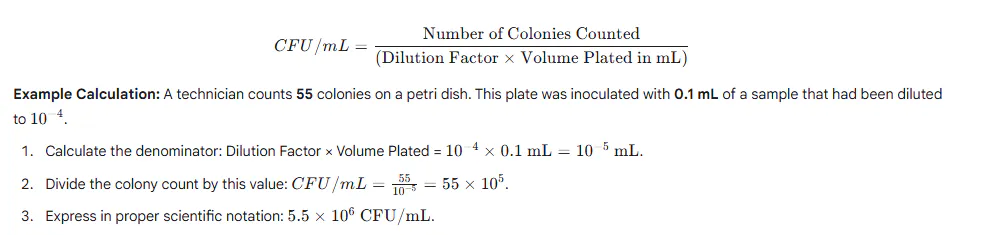 |
This final value represents the estimated concentration of viable microorganisms in the original sample.
Key Applications Across Scientific and Industrial Sectors
The colony counter is a versatile instrument whose importance is demonstrated by its wide-ranging applications across numerous scientific and industrial fields. While the fundamental action of counting remains the same, the implication of that count varies dramatically by industry. The same numerical result can trigger a medical diagnosis in one context, halt a multi-million dollar product batch in another, or serve as a single data point in a long-term environmental trend analysis. The instrument is not just a tool for enumeration; it is a tool for risk assessment, with the definition of “risk” being highly industry-specific.
Clinical Diagnostics
In clinical microbiology laboratories, colony counters are critical for diagnosing infectious diseases and guiding patient treatment. The instrument is used to quantify the bacterial or fungal load in patient samples such as urine, blood, sputum, and tissue swabs.
- Example: Urinary Tract Infection (UTI) Diagnosis: A primary method for diagnosing a UTI involves a quantitative urine culture. A count exceeding a clinical threshold, often CFU/mL, is considered significant bacteriuria and confirms an infection. The colony counter provides the precise quantitative data necessary for this diagnosis, allowing clinicians to initiate appropriate antibiotic therapy.
- Antimicrobial Susceptibility Testing: Colony counters are also used in tests that determine a pathogen’s resistance or susceptibility to various antibiotics. By measuring the reduction in colony counts after exposure to a drug, clinicians can select the most effective treatment for a patient’s specific infection.
Pharmaceutical Quality Control
Within the highly regulated pharmaceutical industry, colony counters are essential for ensuring product safety, purity, and compliance with pharmacopeial standards (e.g., USP, EP). They are a cornerstone of microbial limits testing and sterility assurance programs.
- Example: Microbial Limits Testing: For non-sterile products like oral tablets or topical creams, regulations specify maximum allowable levels of microorganisms. A Total Viable Aerobic Count (TVAC) is performed on raw materials and finished product batches. A colony counter is used to enumerate colonies and verify that the count is below the specified limit. A result that passes this test is a critical requirement for batch release; a failing result can lead to the rejection of an entire production lot.
- Environmental Monitoring: Colony counters are used to analyze samples from air, surfaces, and personnel in sterile manufacturing cleanrooms. Monitoring these microbial levels is crucial for maintaining the aseptic environment required for producing sterile injectables and vaccines.
Food and Beverage Industry
Colony counting is a fundamental practice for ensuring food safety and quality. It is used to enumerate total microbial populations as an indicator of sanitation and to detect the presence of specific spoilage organisms or pathogens like E. coli, Salmonella, and Listeria.
- Example: Aerobic Colony Count (ACC): The ACC, also known as the Standard Plate Count, is a key indicator of the overall hygienic quality of a food product and the conditions under which it was processed and stored. Regulatory bodies set limits for ACC in various food categories, such as dairy products and ready-to-eat meals. Food manufacturers use colony counters to perform this test routinely, ensuring their products are safe for consumption and meet legal standards.
Environmental Monitoring
Environmental scientists and public health agencies rely on colony counters to assess the microbial quality of water, soil, and air. This data is vital for monitoring pollution, studying microbial ecosystems, and protecting public health.
- Example: Water Quality Testing: Public water systems and recreational water bodies (e.g., beaches, lakes) are regularly tested for the presence of indicator bacteria, such as fecal coliforms or E. coli, which signal potential fecal contamination. Samples are passed through a membrane filter, which is then placed on an agar plate and incubated. A colony counter is used to enumerate the characteristic colonies on the filter. If the counts exceed established safety limits, authorities may issue boil water advisories or close beaches to prevent waterborne illness.
Best Practices for Achieving Accurate and Reproducible Counts
The reliability of data generated by the viable plate count method hinges on adherence to established best practices. An instrument, no matter how precise, cannot compensate for a flawed experimental protocol. These guidelines are designed to minimize variability and ensure that the final count is a true and accurate representation of the microbial population.
The Statistically Significant Range: Targeting 25/30-300 Colonies
The single most important principle for generating valid data is to count plates that fall within the statistically optimal range. This range is generally accepted to be between 30 and 300 colonies, though some standard methods, such as the FDA’s Bacteriological Analytical Manual (BAM), specify 25 to 250 colonies. This “sweet spot” is not arbitrary; it is a carefully determined balance designed to avoid two distinct types of scientific error.
- Counts Below 30 (or 25): When a plate has too few colonies, the count is not considered statistically representative of the original sample. In such a small sample size, random chance can have an outsized effect. For example, the accidental loss of a single CFU during pipetting could drastically alter the final calculated concentration, leading to poor reproducibility.
- Counts Above 300 (or 250): When a plate is overcrowded, multiple issues arise that lead to underestimation. Colonies may grow into one another, becoming indistinguishable (a state known as confluence). Furthermore, the high density creates intense competition for limited nutrients on the plate, which can inhibit the growth of some viable cells, preventing them from forming visible colonies at all. This combination of physical overlap and biological inhibition makes an accurate visual count impossible.
Mastering Dilution and Plating Techniques
Achieving a plate within the countable range is almost entirely dependent on the quality of the serial dilution and plating technique.
- Proper Serial Dilution: This is the key procedural step. A well-executed dilution series is necessary to reduce the cell concentration of the original sample to a level that will yield a plate in the 30-300 CFU range.
- Uniform Plating: The diluted sample must be spread evenly across the entire surface of the agar. Uneven spreading can lead to areas of confluence even on a plate with an acceptable total count, making enumeration difficult and inaccurate. The goal is to achieve well-separated, distinct colonies.
Instrument Calibration and Performance Verification
To ensure the colony counter itself is not a source of error, its electronic components must be periodically verified. Regular calibration is a key part of laboratory quality management.
- Procedure: A typical performance verification involves testing the counter’s registration accuracy. The operator can press the counting pad with a sterile probe a set number of times (e.g., 100) and confirm that the digital display shows exactly 100. This should be repeated several times to ensure consistency.
- Frequency and Documentation: This calibration should be performed at a defined frequency, such as once per month, or after any instrument maintenance. All calibration results must be documented in a dedicated logbook, with the instrument labeled as “Out of Calibration” and removed from service if it fails verification.
Handling Spreading, Branched, and Chain-like Colonies
Not all colonies grow as neat, round dots. Certain microbial characteristics can present counting challenges that require standardized interpretation.
- Spreading Colonies: Some motile bacteria create “spreaders,” colonies that expand over a large area of the plate, obscuring other colonies. According to ISO 7218, if spreaders cover less than one-quarter of the plate area, the technician can count the colonies in the unaffected portion and extrapolate to estimate the total count. If more than a quarter of the plate is overgrown, it should be considered uncountable and the test repeated.
- Branched or Chain-like Colonies: Some microorganisms naturally grow in chains or branched structures. Even if these appear to be multiple masses, they likely arose from a single CFU. Therefore, standards dictate that a chain or a branched structure should be counted as a single colony to avoid overestimation.
Troubleshooting Common Issues in Manual Colony Counting
Effective troubleshooting in a microbiology lab requires the ability to distinguish between a true equipment malfunction and a failure in the upstream experimental protocol. The majority of issues that manifest during the counting stage are symptoms of problems that occurred during sample preparation, dilution, plating, or incubation. The colony counter often serves as the diagnostic tool that reveals these earlier flaws.
Addressing Inaccurate Counts: Overlapping, Confluent, and Edge Colonies
The most common problem encountered is a plate that is difficult or impossible to count accurately due to the arrangement of colonies.
- Problem: Colonies are overlapping or have merged into a single, continuous lawn of growth (confluence). This makes distinguishing individual colonies impossible and leads to a significant underestimation of the true CFU count.
- Root Cause and Solution: This is fundamentally a method error, not an instrument error. It indicates that the plated dilution was too concentrated. The only valid solution is to discard the count from that plate and re-plate the sample using a higher dilution factor (e.g., plating the dilution instead of the ). In some cases where spreading is a persistent issue with a specific microorganism, using the pour plate method, where colonies grow embedded within the agar, can help produce smaller, more separated colonies.
- Problem: Colonies growing at the very edge of the petri dish are difficult to see and count accurately.
- Root Cause and Solution: This often results from improper spreading technique during plating. Technicians should be trained to spread the inoculum evenly while avoiding the outer 2-3 mm of the agar surface. For existing plates, the lab should have a consistent policy on whether to include or exclude edge colonies to ensure uniformity across all analyses.
Resolving Equipment Malfunctions: Display, Pen, and Illumination Errors
While less common than method errors, hardware issues can occur and must be addressed systematically.
- Problem: The digital display is frozen, unresponsive, or shows erratic numbers.
- Solution:
- Restart: The first and simplest step is to turn the device off and on again.
- Check Connections: Ensure the power cord is secure and that the probe pen is firmly plugged into its socket. A loose connection is a common cause of intermittent issues.
- Technical Support: If the problem persists after a restart and checking connections, it likely indicates an internal electronic fault that requires servicing by a qualified technician.
- Problem: The probe pen fails to register counts, or registers multiple counts for a single press.
- Solution:
- Check Connection: Verify the pen is securely connected.
- Adjust Sensitivity: If the counter has a pressure sensitivity adjustment, it may be set too high (causing multiple counts) or too low (causing missed counts). Adjust it to a suitable level for the operator.
- Clean/Replace Tip: The tip of the pen may be worn or dirty. Clean it according to the manufacturer’s instructions or replace it if necessary.
- Problem: The illumination is dim, flickering, or uneven.
- Solution: Most modern counters use long-lasting LEDs, so a failure is unlikely but possible. First, clean the surface of the light diffuser and the counting platform to remove any dust, residue, or spilled media that could be obstructing the light. If the issue remains, the light source may need professional replacement.
Maintaining a Contamination-Free Workspace
- Problem: Colonies that do not match the expected morphology appear on the plate, leading to an inaccurate overcount.
- Root Cause and Solution: This is a classic sign of a break in aseptic technique during sample preparation or plating. All plating procedures must be conducted in a sterile environment, such as a laminar flow hood or biological safety cabinet. Furthermore, the colony counter itself can become a source of cross-contamination if not properly maintained. It is essential to wipe down the counting platform and all exterior surfaces with a laboratory-grade disinfectant (e.g., 70% ethanol) before and after each use.
Manual vs. Automated Colony Counters: A Comparative Analysis
The choice between a manual and an automated colony counter is a significant decision for any microbiology laboratory. It involves a trade-off between initial cost, throughput, data integrity, and flexibility. There is no single “best” option; the ideal choice depends entirely on the specific needs, sample volume, and regulatory environment of the laboratory.
Manual Counters: Advantages and Disadvantages
Manual colony counters represent a cost-effective and flexible solution for microbial enumeration.
- Advantages:
- Low Initial Cost: They are significantly less expensive to purchase than automated systems, making them accessible to labs with limited budgets, such as academic or small research facilities.
- Simplicity and Ease of Use: Operation is straightforward and requires minimal training.
- Flexibility: The human operator’s judgment is a major asset when dealing with plates that have unusual colony morphologies, debris, or artifacts that could easily confuse an automated system’s software algorithm. The human eye can readily distinguish a true colony from an air bubble or a speck of dust.
- Disadvantages:
- Low Throughput: The process is inherently slow and labor-intensive. Counting a large number of plates is time-consuming.
- Prone to Human Error: Results can be affected by operator fatigue, eye strain, and subjective judgment, leading to variability between different technicians counting the same plate.
- Poor Data Traceability: The counting process typically leaves no permanent digital record. There is no image of the counted plate, and results must be transcribed manually into a logbook or LIMS, creating an opportunity for transcription errors. This lack of an audit trail is a significant drawback in regulated environments.
Automated Counters: Advantages and Disadvantages
Automated colony counters use a high-resolution camera and sophisticated image analysis software to enumerate colonies automatically.
- Advantages:
- High Speed and Throughput: An automated system can image and count a plate in a matter of seconds, dramatically increasing laboratory productivity.
- Superior Accuracy and Consistency: By eliminating human subjectivity and fatigue, automated systems provide highly repeatable and consistent results. They remove inter-operator variability, which is crucial for trending data over time.
- Excellent Data Integrity and Traceability: These systems create a complete digital record for each plate, including a high-resolution image, the final count, and detailed metadata. This creates a robust audit trail, and many systems offer software that is compliant with regulations like 21 CFR Part 11, which is essential for the pharmaceutical industry.
- Disadvantages:
- High Initial Investment: The cost of purchasing an automated counter, including the hardware and software licenses, is substantial.
- Algorithm Limitations: The accuracy of the system is dependent on the quality of its image analysis software. Algorithms can struggle to accurately count plates with overlapping or confluent colonies, irregular agar surfaces, debris, or water condensation. In many cases, fully automatic counting shows low accuracy without a final step of human visual correction on the screen, which can negate some of the time savings.
- Complexity: The software can be complex and requires more extensive operator training compared to a simple manual device.
Selecting the Appropriate Technology for Your Laboratory’s Needs
The decision should be based on a careful assessment of the lab’s primary requirements:
- Manual counters are the ideal choice for research laboratories with diverse and unpredictable sample types, educational settings for teaching basic principles, and any facility with low sample throughput and a constrained budget.
- Automated counters are best suited for high-throughput quality control laboratories, such as those in the pharmaceutical, clinical diagnostic, or food safety industries. In these settings, the high initial cost is justified by gains in speed, consistency, and the critical need for regulatory compliance and data traceability.
Table 1: Comparative Analysis of Manual vs. Automated Colony Counters
Selecting and Maintaining Your Manual Colony Counter
Choosing the right manual colony counter and implementing a proper maintenance routine are crucial for ensuring long-term reliability and accuracy. The selection criteria for a manual device should prioritize features that enhance the human operator’s ability to perform their task comfortably and precisely, as the instrument is fundamentally a tool to augment human skill. Maintenance is similarly focused on preserving the quality of this human-machine interface and maintaining basic laboratory hygiene.
Key Selection Criteria
When procuring a manual colony counter, laboratory managers should evaluate the following features:
- Accuracy and Sensitivity: The core of the device is its counting mechanism. Look for a model with a sensitive pressure pad that reliably registers each count without misses or double-counts. The ability to adjust the pressure sensitivity is a valuable feature to accommodate different operators’ touch.
- Magnification Quality and Adjustability: The optical quality of the magnifying lens is paramount. It should be free of distortion and provide clear, bright magnification sufficient for the smallest colonies your lab typically encounters (e.g., 3x-9x). A flexible, easily adjustable arm allows for optimal ergonomic positioning, reducing neck and eye strain.
- Illumination System: Prioritize bright, even, and glare-free illumination. An advanced lighting system, particularly one offering a Dark Field option or a switchable black background, provides superior contrast for counting difficult translucent or light-colored colonies and is a significant advantage.
- Petri Dish Compatibility: Ensure the device’s platform can accommodate the full range of petri dish sizes used in your laboratory’s workflows, which commonly include 50 mm, 90 mm, and 150 mm diameters.
- Ergonomics and Ease of Use: A well-designed instrument reduces operator fatigue, which in turn reduces errors. Consider the comfort of the probe pen, the clarity and size of the digital display, and the intuitive layout of the controls.
Routine Maintenance, Cleaning, and Care Protocols
Proper maintenance is essential for preserving the instrument’s functionality and preventing it from becoming a source of contamination.
- Daily / Per-Use Cleaning: Before and after each use, the counting platform, probe pen, and all external surfaces should be wiped down with a lint-free cloth dampened with a suitable laboratory disinfectant, such as 70% ethanol or a 10% bleach solution (if compatible with the materials). This prevents cross-contamination between samples and maintains a clean workspace.
- Periodic Optical Cleaning: The magnifying lens and the glass or plastic cover over the light source will accumulate dust and residue over time, impairing visibility. These should be cleaned periodically with a dedicated lens cleaner and lens paper or a soft, lint-free wipe to avoid scratching the surfaces.
- Storage: When the colony counter is not in use, it should be covered with a dust cover. This protects the sensitive optical and electronic components from airborne dust and debris that can degrade performance.
- Environmental Conditions: The instrument should be located on a stable, level bench away from sources of strong vibration, direct sunlight, extreme temperatures, and corrosive chemical fumes, all of which can damage the electronics and housing over time. By following these selection and maintenance guidelines, a laboratory can ensure its manual colony counter remains a reliable and accurate
If you are ready to find the right Coloy Counter for your laboratory, please browse our complete product range: Coloy Counter
This guide is maintained by HINOTEK’s core technical team, comprised of senior engineers and application scientists with over two decades of hands-on experience in fields such as microscopy, centrifugation, and spectrophotometry. We are committed to ensuring that every piece of information in this guide—from instrument principles and technical specifications to laboratory procurement advice—maintains the highest level of accuracy and timeliness.
This content is regularly reviewed and updated to reflect the latest industry standards and technological advancements. We value feedback from the global scientific community. Should you have any questions or suggestions, or wish to discuss any technical details, please do not hesitate to contact our expert team at [email protected].
Work Cite:
1. www.fishersci.com
2. Colony Counter- Types, Principle, Parts, Uses, Examples
3. Colony Counter | Ossila, https://www.ossila.com/pages/what-is-a-colony-counter
4. Importance of Colony Counters in Microbiology – Ossila, https://www.ossila.com/pages/colony-counter-in-microbiology
5. Colony Counters – Fisher Scientific, https://www.fishersci.com/us/en/browse/90222045/colony-counters
6. Colony-forming unit (CFU) – GARDP Revive, https://revive.gardp.org/resource/colony-forming-unit-cfu/?cf=encyclopaedia
7. Introduction to Microbiological Colony Counting | KEYENCE America, https://www.keyence.com/products/microscope/colony-counter/resources/colony-counter-resources/introduction-to-microbiological-colony-counting.jsp
8. Evaluation of an Automated System for the Counting of Microbial Colonies – PMC – NIH, https://pmc.ncbi.nlm.nih.gov/articles/PMC10433998/
9. Colony Counter Microbiological Device From A to Z – YouTube, https://www.youtube.com/watch?v=wUIZefiMXxI
10. Colony Counting: Method, Tips & Manual vs Automated – Ossila, https://www.ossila.com/pages/colony-counting