
|
|

1. Introduction: The Workhorse of High-Throughput Analysis
A microplate reader (View HINOTEK Microplate Reader) is a laboratory instrument that detects and quantifies biological, chemical, or physical events within the wells of a microplate. Also known as a microplate photometer or plate reader, its fundamental purpose is to convert these events into measurable optical signals. Inside a sample well, nearly any biological or chemical process will either absorb, emit, or alter light. The reader’s function is to detect these light signals, convert them into electrical signals, and quantify them as numerical data for analysis.
The primary advantage of a microplate reader is its capacity for high-throughput analysis. It can process multiple samples simultaneously in microplates that come in various formats, from 6-well plates to high-density 1536-well plates. A standard 96-well plate, for instance, can be analyzed in a matter of minutes or even seconds. This capability makes the instrument an efficiency engine for the modern laboratory.
It is distinct from a standard spectrophotometer. A spectrophotometer typically measures a single sample at a time contained within a cuvette, using a horizontal light path. In contrast, a microplate reader measures hundreds or thousands of samples arranged in a microplate, usually with a vertical light path, offering a dramatic increase in throughput. This parallel processing capability enables large-scale experiments, such as high-throughput screening (HTS), that would be logistically impractical with a cuvette-based instrument. This efficiency directly reduces operational time and reagent costs per sample, freeing researchers to focus on data interpretation and subsequent experiments.
2. The Operating Principle: From Biological Reaction to Digital Data
The core function of a microplate reader is to act as a highly sensitive transducer. It translates a wide variety of biological phenomena into a single, standardized output: a quantifiable light signal. The instrument does not interpret the underlying biology; it precisely measures the resulting photons, which are linked to the biological event by the assay’s chemistry. This process follows a clear, sequential path from reaction to data.
The process begins when samples are pipetted into the individual wells of a microplate. Within these wells, a biological, chemical, or physical reaction occurs, which is designed to produce a measurable change in the optical properties of the sample.
The reader’s internal optical system then directs light toward the sample wells. For absorbance and fluorescence measurements, this light originates from a source within the instrument. For luminescence measurements, the light is generated by the chemical reaction within the sample itself.
This light interacts with the sample in one of three ways: it can be transmitted through the sample, absorbed by components within the sample, or converted by fluorescent molecules and emitted at a different wavelength.
A detector, most commonly a Photomultiplier Tube (PMT), is positioned to capture the resulting light (photons) that emerges from the sample well. The PMT is a highly sensitive device that converts these photons into a weak electrical current. The reader’s electronics then amplify and quantify this electrical signal.
The final output is a set of numerical values, with a specific reading assigned to each well on the plate. This raw data is then transferred to connected software for analysis, interpretation, and visualization.
3. Anatomy of a Microplate Reader: The Core Components
The performance of a microplate reader is not defined by a single feature but by the quality and integration of its core components. The entire optical train—from the light source to the detector—functions as an interdependent system. A weakness in any part of this chain can compromise the quality of the final data.
3.1. Light Source
The light source provides the initial energy for absorbance and fluorescence measurements. The type of light source determines the reader’s wavelength range and suitability for different applications.
|
|
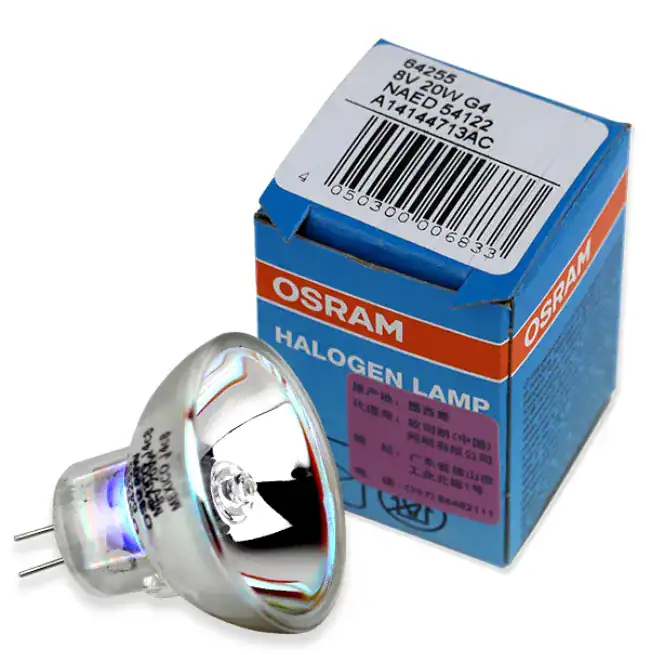
- Halogen Lamps: Found in basic absorbance readers, halogen lamps are less expensive but have a more limited spectral range, typically only in the visible spectrum (above 340 nm). This makes them unsuitable for applications like nucleic acid quantification, which requires UV light.
- Xenon Flash Lamps: These are the most common light source in modern multi-mode readers. They produce a high-intensity, broad-spectrum light, covering a wide range from ultraviolet (UV) to near-infrared (approx. 200–1000 nm). This makes them versatile for a vast array of assays.
- Light-Emitting Diodes (LEDs): LEDs are cost-effective, stable, and long-lasting light sources. They emit light in a narrow band of wavelengths, which can be advantageous for specific assays by providing targeted excitation energy.
- Lasers: High-end readers designed for specialized assays like Time-Resolved Fluorescence (TRF) and AlphaScreen often incorporate dedicated lasers. Lasers provide highly concentrated light at a single wavelength, resulting in significantly greater excitation energy and improved assay sensitivity compared to broadband lamps.
3.2. Wavelength Selection System
This system is responsible for isolating the specific wavelengths of light required for an assay. It ensures that a sample is illuminated with the correct excitation wavelength and that the detector only measures the intended emission wavelength. This function is performed by either optical filters or monochromators. This choice is one of the most critical factors in a reader’s design and performance and is discussed in detail in the next section.
3.3. Microplate Handling System
The mechanism that transports the microplate is a core part of the reader’s automation. It consists of a programmable motion stage that moves the plate along two axes (x and y). This stage precisely and serially positions each well of the plate into the instrument’s light path for individual measurement. This automated movement allows the reader to work through an entire 96-well or 384-well plate rapidly without manual intervention.
3.4. Detectors
The detector is the final component in the optical path, responsible for capturing the light signal and converting it into an electrical signal.
- Photomultiplier Tubes (PMTs): PMTs are the standard detector in most microplate readers. They are exceptionally sensitive, capable of detecting very low levels of light, down to single photons. This sensitivity is essential for demanding applications like fluorescence intensity, time-resolved fluorescence, and luminescence, where signals can be very weak.
- Charge-Coupled Device (CCD) Spectrometers: A CCD detector is often used for absorbance measurements. Unlike a PMT, which measures light at a single wavelength at a time, a CCD array can capture an entire spectrum of wavelengths simultaneously. This allows for very fast spectral acquisition without the need for a scanning monochromator, combining speed with flexibility.
4. A Critical Decision: Choosing Between Filters and Monochromators
The choice between filters and monochromators for wavelength selection is not merely a technical specification; it is a strategic decision that aligns the instrument’s capabilities with a laboratory’s primary function. A lab focused on developing new assays has different needs than a lab focused on screening large compound libraries with a validated assay. Understanding the trade-offs between these two technologies is essential for selecting the right instrument.
4.1. Filter-Based Optics
Filter-based systems use physical optical filters—discs of coated glass—that are placed in the light path. These filters are designed to transmit a specific range of wavelengths (known as the bandwidth) while blocking all others. The reader contains wheels that hold multiple excitation and emission filters, and these wheels rotate to place the correct filter in the light path for a given assay.
- Advantages:
- Higher Sensitivity: Filters are highly efficient at transmitting light within their specified bandwidth. This means more light reaches the sample for excitation, and more of the emitted signal reaches the detector. This superior light transmission makes filter-based systems more sensitive than monochromator-based systems.
- Lower Cost: The mechanical components of a filter wheel are simpler and less expensive than a monochromator. Additionally, because light transmission is so efficient, a less powerful (and less expensive) light source can be used to achieve high sensitivity.
- Faster Wavelength Switching: Filter wheels can rotate very quickly, allowing for rapid switching between different excitation or emission wavelengths. This is critical for ratiometric assays that require near-simultaneous measurement at two wavelengths.
- Disadvantages:
- Limited Flexibility: A filter-based reader can only measure at the wavelengths for which it has filters. If a new assay requires a different wavelength, a new filter set must be purchased and installed. This can be inconvenient and adds to the long-term cost.
- No Spectral Scanning: It is impossible to perform a spectral scan (measuring absorbance or fluorescence across a continuous range of wavelengths) with a filter-based system.
4.2. Monochromator-Based Optics
Monochromator-based systems use a diffraction grating, which functions like a prism, to split the light from the source into its constituent spectrum. A precision-controlled exit slit then moves to select and isolate a very narrow band of wavelengths to send to the sample. A second monochromator is used on the emission side to select the wavelength that reaches the detector.
- Advantages:
- Maximum Flexibility: The user can select any wavelength within the instrument’s range directly through the software, without needing to change any hardware. This is ideal for assay development, basic research, and labs that work with a wide variety of fluorophores.
- Spectral Scanning: Monochromators are capable of performing full spectral scans. This is a powerful tool for characterizing novel fluorescent compounds or identifying the optimal excitation and emission peaks for a new assay.
- Disadvantages:
- Lower Sensitivity: The process of diffracting light and passing it through narrow slits is inefficient, and a significant amount of light from the source is lost. This results in weaker excitation of the sample and a lower signal at the detector compared to filters.
- Higher Cost: Monochromators are mechanically complex optical systems, which makes the instruments more expensive.
- Slower Wavelength Switching: Mechanically moving the diffraction grating and slits to a new wavelength takes more time than rotating a filter wheel. This makes monochromators unsuitable for fast ratiometric assays.
4.3. Modern Hybrid and Spectrometer Systems
To address the trade-offs, many modern readers offer hybrid optical systems that contain both filters and monochromators. This allows the user to select the best technology for each specific application—for example, using the monochromator for assay development and then switching to high-sensitivity filters for high-throughput screening. For absorbance, some readers replace the monochromator with a CCD spectrometer, which provides the full-spectrum flexibility of a monochromator with the speed of a filter-based read.
Table: Filter vs. Monochromator – A Head-to-Head Comparison
| Feature | Filter-Based System | Monochromator-Based System |
| Sensitivity | Higher (more efficient light transmission) | Lower (light lost during diffraction) |
| Flexibility | Lower (fixed wavelengths per filter) | Higher (any wavelength selectable in software) |
| Cost | Lower | Higher |
| Speed (Wavelength Switch) | Faster (rotating wheel) | Slower (mechanical scanning) |
| Spectral Scanning | Not possible | Possible |
| Best For | Routine/validated assays, HTS, Luminescence, TRF, FP, AlphaScreen | Assay development, basic research, unknown spectra characterization |
5. The Main Detection Modes: A Detailed Examination
Microplate readers can be configured for many different types of measurements, known as detection modes. The three most common modes—absorbance, fluorescence intensity, and luminescence—represent a hierarchy of increasing sensitivity, each suited to different application needs and budgets.
5.1. Absorbance (ABS)
Absorbance is the most fundamental detection mode. It is a robust and cost-effective method suitable for assays where the analyte is present in relatively high concentrations.
- Principle: This mode measures the amount of light that is absorbed by a sample as a beam of light passes through it. The reader directs light of a specific wavelength through the bottom of the well, and a detector positioned above the well measures the intensity of the light that is transmitted. The amount of light absorbed is calculated based on the difference between the initial light intensity and the transmitted light intensity. This measurement follows the Beer-Lambert Law (
A=ϵLc), which states that absorbance (A) is directly proportional to the concentration of the absorbing substance (c), the path length of the light through the sample (L), and the substance’s molar absorptivity (ϵ). - Applications:
- ELISA (Enzyme-Linked Immunosorbent Assay): This is a classic application where an enzyme converts a substrate into a colored product. The reader measures the absorbance of this color to quantify the target protein or antibody.
- Protein Quantification: Assays like the Bradford and BCA (Bicinchoninic Acid) assays produce a color change proportional to the total protein concentration in a sample.
- Nucleic Acid Quantification: The concentration of DNA and RNA can be estimated by measuring absorbance at 260 nm.
- Microbial Growth: The density of bacterial or yeast cultures is commonly monitored by measuring the optical density at 600 nm (OD600).
5.2. Fluorescence Intensity (FI)
Fluorescence intensity offers a significant increase in sensitivity over absorbance, allowing for the detection of analytes at much lower concentrations.
- Principle: This mode measures the light emitted from fluorescent molecules, or fluorophores. The reader’s optical system illuminates the sample with a specific wavelength of light, known as the excitation wavelength. Fluorophores in the sample absorb this energy, causing their electrons to move to a higher energy state. As the electrons return to their ground state, they release this energy as light, but at a longer, lower-energy wavelength known as the emission wavelength. The reader uses a separate optical path to collect this emitted light and measure its intensity, which is directly proportional to the concentration of the fluorophore. Because the emission light is measured at a different wavelength than the excitation light, the background signal is much lower than in absorbance, leading to higher sensitivity.
- Applications:
- Nucleic Acid Quantification: Highly sensitive and specific quantification of DNA and RNA using fluorescent dyes (e.g., PicoGreen, RiboGreen) that emit a strong signal only when bound to their target.
- Cell Viability and Proliferation: Assays like those using resazurin (AlamarBlue) or CyQUANT dyes measure metabolic activity or DNA content as indicators of cell health and number.
- Reporter Gene Assays: The expression of fluorescent proteins like Green Fluorescent Protein (GFP) can be directly quantified to monitor gene activity.
5.3. Luminescence (LUM)
Luminescence is the most sensitive of the three primary detection modes, capable of detecting extremely small amounts of light.
- Principle: This mode measures light that is generated directly by a chemical (chemiluminescence) or enzymatic (bioluminescence) reaction within the sample. Crucially, luminescence does not require an external light source for excitation. The reader’s optical system for luminescence is therefore simpler, consisting of a light-tight reading chamber and a highly sensitive PMT positioned directly above the well to collect all emitted photons. The absence of excitation light means there is virtually no background signal from light scatter, resulting in an exceptionally high signal-to-noise ratio and superior sensitivity.
- Applications:
- Reporter Gene Assays: This is a primary application, using enzymes like firefly luciferase or Renilla luciferase. When the reporter gene is expressed, the luciferase enzyme is produced. Adding its substrate (luciferin) triggers a reaction that produces light, which is measured by the reader as a proxy for gene expression.
- ATP-Based Cell Viability Assays: Assays like CellTiter-Glo measure the amount of ATP in a cell population. Since only living cells produce ATP, it is a direct marker of cell viability. The assay reagent contains luciferase and luciferin; the amount of light produced is directly proportional to the amount of ATP present.
- BRET (Bioluminescence Resonance Energy Transfer): A technique used to study protein-protein interactions. Light energy from a bioluminescent donor molecule is transferred to a fluorescent acceptor molecule when they are in close proximity, resulting in a measurable light signal.
6. Advanced Capabilities for Specialized Research
Modern multi-mode microplate readers often include advanced detection modes that are engineered to solve a common problem: improving the signal-to-noise ratio in complex biological assays. These technologies provide cleaner data from challenging samples by minimizing background interference.
- Time-Resolved Fluorescence (TRF): This technique enhances the sensitivity of fluorescence measurements by using special fluorophores called lanthanides (e.g., Europium, Terbium). Unlike conventional fluorophores that emit light for nanoseconds, lanthanides have a very long emission lifetime, lasting for milliseconds. The TRF reader excites the sample with a brief pulse of light and then introduces a short delay (microseconds) before it begins to measure the emitted signal. This delay allows the short-lived background fluorescence from the microplate, sample media, and other compounds to completely decay. Only the long-lived signal from the lanthanide fluorophore remains, resulting in a measurement with dramatically reduced background and excellent sensitivity. This method is widely used for robust immunoassays, often in a format known as HTRF® (Homogeneous Time-Resolved Fluorescence).
- Fluorescence Polarization (FP): FP is a powerful technique for studying molecular binding events in real-time. It measures the rotational speed of a fluorescently labeled molecule in solution. The assay principle relies on polarized light. When a small, fluorescently labeled molecule is excited with polarized light, it tumbles rapidly in the solution, and the light it emits is largely depolarized. However, if this small molecule binds to a much larger partner (e.g., a protein), its tumbling slows down significantly. Now, when excited with polarized light, the emitted light remains highly polarized. The reader measures this change in polarization. Because it is a ratiometric measurement of a physical property rather than a simple intensity measurement, it is less prone to interference from colored compounds or fluorescence quenching, making it a robust, no-wash (homogeneous) assay format ideal for high-throughput screening of binding interactions.
- AlphaScreen® / AlphaLISA®: Alpha (Amplified Luminescent Proximity Homogeneous Assay) technology is a highly sensitive, bead-based assay used to study biomolecular interactions. The assay involves two types of microscopic beads: a “Donor” bead and an “Acceptor” bead. Each bead type is coated with a molecule that can bind to one half of an interacting pair (e.g., an antibody and its antigen). When the target molecules interact, they bring the Donor and Acceptor beads into close proximity. The reader uses a high-power laser (at 680 nm) to excite the Donor bead. The excited Donor bead releases a highly reactive but short-lived form of oxygen (singlet oxygen), which can diffuse a short distance (~200 nm). If an Acceptor bead is within this range, the singlet oxygen triggers a chemical cascade within the Acceptor bead, causing it to emit a strong luminescent signal at a different wavelength (520-620 nm). If the beads are not close, no signal is produced. This proximity-dependent signal generation results in very low background and high sensitivity, making it another powerful no-wash technology for HTS.
7. The Microplate Reader in Practice: Common Laboratory Applications
The versatility of the microplate reader makes it a central platform for research across the entire drug discovery and development pipeline, from broad initial screening to detailed mechanistic studies. It is the common instrument used at nearly every stage of modern biological investigation.
7.1. Drug Discovery & High-Throughput Screening (HTS)
The microplate reader is the cornerstone of modern drug discovery. HTS involves the rapid, automated testing of vast libraries containing thousands or even millions of chemical compounds to identify those that interact with a specific biological target. The high-density format of microplates (384- and 1536-well) and the speed of the reader are essential for this process. Assays are designed to measure parameters like enzyme inhibition, receptor binding, or changes in cell viability in response to each compound. In a fully automated HTS system, robotic arms seamlessly move plates between incubators, liquid handlers for compound addition, and microplate readers for data acquisition, enabling continuous, round-the-clock operation.
7.2. Cell Biology: Assessing Cell Health
Microplate readers are indispensable for studying cellular processes in a high-throughput manner.
- Viability and Cytotoxicity: These assays determine the number of living versus dead cells in a population, often after treatment with a compound. A wide variety of methods are available. Colorimetric assays like MTT measure the metabolic activity of living cells via an absorbance readout. Fluorescent assays can use dyes like resazurin to also measure metabolic activity, or they can use dyes that distinguish between cells with intact versus compromised membranes. Luminescent assays, such as those that measure intracellular ATP levels, are extremely sensitive and provide a direct measure of the energy state of the cell population.
- Cell Proliferation: These assays measure the increase in cell number over time. One common method is to quantify the total DNA content in each well using a fluorescent DNA-binding dye like CyQUANT. Since the amount of DNA per cell is constant, the total fluorescence is directly proportional to the cell number. Another approach is to measure the incorporation of a labeled nucleotide, such as BrdU (Bromodeoxyuridine), into newly synthesized DNA during cell division.
7.3. Biochemistry: Enzyme Kinetics
Microplate readers are ideal for studying the kinetics of enzymatic reactions. These studies provide critical information about an enzyme’s efficiency and its affinity for its substrate, and they are essential for characterizing enzyme inhibitors. In a typical kinetic assay, the reaction is initiated in the well (often by using the reader’s injectors to add substrate), and the reader is set to kinetic mode. It takes multiple absorbance or fluorescence readings from the same well over a set period. This generates a progress curve showing the formation of product (or depletion of substrate) over time. By running the assay at various substrate concentrations, researchers can use the resulting data to calculate key enzymatic parameters like the maximum reaction velocity (Vmax) and the Michaelis constant (Km).
7.4. Immunoassays: ELISA
The Enzyme-Linked Immunosorbent Assay (ELISA) is one of the most widely used techniques in both research and clinical diagnostics for detecting and quantifying proteins, antibodies, hormones, and other molecules. In a standard colorimetric ELISA, an antibody specific to the target molecule is immobilized in the wells of a microplate. After the sample is added, a second, enzyme-linked antibody is used for detection. This enzyme converts a colorless substrate into a colored product. The microplate reader measures the absorbance of this color at a specific wavelength, and the intensity of the color is directly proportional to the concentration of the target molecule in the sample.
8. How to Select the Right Microplate Reader and Accessories
Choosing a microplate reader is not an isolated decision about a single piece of hardware. It is about selecting a central component of a larger assay ecosystem that includes reagents, software, and consumables. A holistic approach that considers the entire experimental workflow is necessary to ensure the chosen instrument meets the lab’s current and future needs.
8.1. Key Questions to Ask
- What are your primary applications? The assays you run most frequently will determine the essential detection modes. If your work is focused exclusively on ELISAs, a simple, dedicated absorbance reader may be sufficient and cost-effective. However, if your lab performs a diverse range of assays (e.g., ELISAs, nucleic acid quantification, and cell-based assays), a multi-mode reader is a more versatile and valuable long-term investment.
- Single-Mode vs. Multi-Mode? For labs with a narrow focus and a tight budget, a single-mode reader is a logical choice. For most research labs, where needs can change and new projects arise, a multi-mode reader provides the flexibility to adapt. If the initial budget is a constraint, consider a modular, upgradable system that allows you to add detection modes later.
- Sensitivity vs. Flexibility? This brings the focus back to the filters vs. monochromators decision. If your work involves assay development or basic research with many different fluorophores, the flexibility of a monochromator is paramount. If your work involves running validated, low-signal assays like luminescence or TRF, or high-throughput screening, the superior sensitivity of filters is the better choice.
- What is your required throughput and automation level? Consider the plate formats you will use (96, 384, or 1536-well) and the instrument’s read speed. If the reader will be part of a larger automated system, ensure it has the necessary software drivers and physical compatibility for integration with robotic platforms.
8.2. Essential Features to Consider
- Reagent Injectors: For fast kinetic assays, such as flash luminescence or calcium flux studies, onboard injectors are non-negotiable. They allow for the addition of a reagent to a well and the immediate initiation of measurement, which is critical for capturing reactions that happen in seconds.
- Incubation and Shaking: For any live-cell assays or temperature-sensitive enzyme kinetics, precise temperature control is essential for reproducible results. Orbital or linear shaking capabilities are also important for keeping cells in suspension or ensuring proper mixing of reagents.
- Software: The reader’s software is a critical part of the user experience and workflow. Look for an intuitive interface, pre-programmed protocols for common assays, and powerful data analysis tools. Features like automatic standard curve fitting and calculation of kinetic parameters (Km, Vmax) can save significant time. For labs in regulated environments (GxP), software that supports 21 CFR Part 11 compliance is required.
8.3. Choosing the Right Microplate
The microplate itself is an active optical component, and choosing the wrong type can severely compromise data quality.
- For Absorbance: A plate with a clear, flat bottom is required for the light to pass through the sample. For measurements in the UV range (e.g., DNA at 260 nm), standard polystyrene plates are unsuitable as they absorb UV light. Special UV-transparent plates, often made from materials like cycloolefin or quartz, must be used.
- For Fluorescence: Black, opaque-walled plates are the standard choice. The black plastic minimizes background autofluorescence and, most importantly, prevents optical crosstalk, where the signal from a bright well “leaks” through the plastic into an adjacent, dimmer well, leading to inaccurate readings.
- For Luminescence: White, opaque-walled plates are recommended. Because luminescence signals are often very weak, the white walls act to reflect and maximize the amount of light that is directed upwards toward the detector, effectively amplifying the signal. For very bright luminescence assays, a black plate may be used to reduce crosstalk.
9. Conclusion: An Indispensable Tool for Scientific Discovery
The microplate reader has evolved from a specialized instrument into an essential and versatile workhorse found in virtually every modern life science laboratory. Its fundamental value lies in its ability to dramatically increase experimental throughput, enabling researchers to move from analyzing single samples to processing thousands in parallel. This leap in efficiency has been a critical driver of progress in fields ranging from basic academic research and clinical diagnostics to pharmaceutical drug discovery.
By offering a diverse array of detection modes—from robust absorbance to highly sensitive fluorescence and luminescence—the microplate reader provides a common platform for an astonishingly wide range of applications. It is the instrument used to quantify proteins in an ELISA, measure the viability of cancer cells treated with a new drug, and characterize the kinetics of a newly discovered enzyme. Its central role in high-throughput screening has fundamentally accelerated the pace at which new therapeutic candidates are identified. As assay technologies continue to advance and the demand for more data from smaller sample volumes grows, the microplate reader will remain an indispensable tool, continuing to facilitate the discoveries that advance science and improve human health.
If you are ready to find the right Microplate Reader for your laboratory, please browse our complete product range: Microplate Reader
This guide is maintained by HINOTEK’s core technical team, comprised of senior engineers and application scientists with over two decades of hands-on experience in fields such as microscopy, centrifugation, and spectrophotometry. We are committed to ensuring that every piece of information in this guide—from instrument principles and technical specifications to laboratory procurement advice—maintains the highest level of accuracy and timeliness.
This content is regularly reviewed and updated to reflect the latest industry standards and technological advancements. We value feedback from the global scientific community. Should you have any questions or suggestions, or wish to discuss any technical details, please do not hesitate to contact our expert team at [email protected].
Works cited
- 5 Detection Methods in Multimode Microplate Readers, https://www.thermofisher.com/blog/life-in-the-lab/5-major-detection-methods-in-multimode-microplate-readers/
- Microplate Reader – Plate Reader | BMG LABTECH, https://www.bmglabtech.com/en/microplate-reader/
- Plate reader – Wikipedia, https://en.wikipedia.org/wiki/Plate_reader
- Basic – How does plate reader work? – YouTube, https://www.youtube.com/watch?v=gOYadfO4_yc
- Microplate Readers – Berthold Technologies GmbH & Co.KG, https://www.berthold.com/en-us/bioanalytics/products/microplate-readers/
- Absorbance Microplate Readers | BMG LABTECH, https://www.bmglabtech.com/en/absorbance-microplate-reader/
- Absorbance Plate Reader, Spectrophotometer, Single-mode Microplate Readers – Molecular Devices, https://www.moleculardevices.com/products/microplate-readers/absorbance-readers
- www.bmglabtech.com, https://www.bmglabtech.com/en/microplate-reader/#:~:text=Working%20principle%20of%20a%20microplate,%2C%20biochemical%2C%20or%20physical%20reaction.
- Applications of Absorbance Microplate Reader – Danaher Life Sciences, https://lifesciences.danaher.com/us/en/products/microplate-readers/topics/absorbance-microplate-reader-applications.html
- Discover Advanced Fluorescence Plate Readers | BMG LABTECH, https://www.bmglabtech.com/en/fluorescence-plate-reader/