
Introduction to Biological Safety Cabinets: The Principle of Primary Containment
|
|
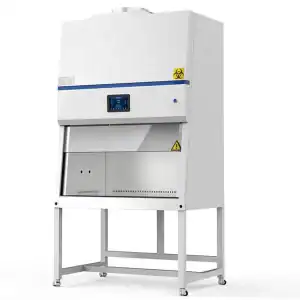
In the landscape of modern scientific research, where the manipulation of biological materials is routine, ensuring the safety of personnel, the integrity of experiments, and the protection of the environment is paramount. At the heart of this safety protocol lies a critical piece of engineering: the biological safety cabinet. More than just a workspace, a biological safety cabinet—also known as a BSC or microbiological safety cabinet—is an enclosed, ventilated primary engineering control designed for safely working with materials contaminated with pathogens or other potentially hazardous biological agents.
The entire design and operation of a BSC are built upon the foundational principle of primary containment. This concept refers to the protection of personnel and the immediate laboratory environment from exposure to infectious agents. A BSC achieves this by proactively capturing and removing hazardous aerosols and splashes directly at the site of their generation. This preemptive control strategy is fundamentally more effective than relying on secondary containment measures like room design or personal protective equipment (PPE) alone, as it contains the hazard before it can disseminate.
The Three Pillars of Protection: Personnel, Product, and Environment
A biological safety cabinet’s function is defined by its ability to provide a threefold shield, often referred to as the three pillars of protection:
- Personnel Protection: The cabinet’s sophisticated airflow system creates a barrier that safeguards the laboratory worker from inhaling or otherwise being exposed to the hazardous agents being manipulated inside the workspace.
- Product Protection: For a vast range of applications, from cell culture to pharmaceutical compounding, maintaining the sterility of the sample is crucial. A BSC protects the experiment or product inside the cabinet from contamination by microorganisms or particulates present in the ambient laboratory air.
- Environmental Protection: The cabinet ensures that air exhausted from the workspace is passed through high-efficiency filters, removing harmful contaminants before the air is released. This protects not only the immediate laboratory but also the wider external environment.
Distinguishing BSCs from Fume Hoods and Laminar Flow Benches
A common and potentially dangerous point of confusion in laboratories, especially for new personnel or procurement staff, is mistaking a biological safety cabinet for other similar-looking equipment. Understanding the distinct functions of each is critical for safety and compliance.
- Chemical Fume Hoods: These are designed exclusively to protect personnel from chemical fumes, vapors, and aerosols. They draw air from the room, across the work surface, and exhaust it directly outside the building. They do not have supply HEPA filters and therefore offer no product protection from contamination. Furthermore, their exhaust systems are not designed to capture biological agents, making them unsuitable for work with infectious materials.
- Laminar Flow Benches (Clean Benches): These devices are designed for one purpose only: product protection. A laminar flow bench takes room air, passes it through a HEPA filter, and blows the sterile air in a smooth, laminar flow across the work surface towards the user. While this creates an ultra-clean environment for the sample, it directly exposes the operator to any aerosols generated from that sample. For this reason, a laminar flow bench must never be used for handling cell culture materials, drug formulations, or any potentially infectious or hazardous biological material.
The following table provides a clear, at-a-glance comparison of these essential pieces of laboratory equipment.
|
|
|
|
|
|
|
|


| Equipment Type | Personnel Protection | Product Protection | Environmental Protection | Filtration System | Primary Application |
| Biological Safety Cabinet (Class II) | Yes | Yes | Yes | HEPA-filtered inflow, downflow, and exhaust | Work with infectious agents, cell culture, sterile preparations |
| Chemical Fume Hood | Yes | No | No (from particulates) | No HEPA filters | Work with volatile or toxic chemicals and radionuclides |
| Laminar Flow Bench (Clean Bench) | No | Yes | No | HEPA-filtered supply air blown at user | Work with non-hazardous materials requiring a sterile environment |
The Core Principles: How a Biological Safety Cabinet Works
The protective capabilities of a biological safety cabinet are not magic; they are the result of precisely engineered aerodynamic principles and advanced filtration technology. Understanding how these systems function is key to using them effectively and safely.
The Science of Airflow: Creating the Protective Air Curtain
 |
The engine of a BSC is a motor-driven blower, or fan, which draws air into and through the cabinet in a carefully controlled, directional pattern. In the most common Class II cabinets, this process begins with room air being pulled into a perforated intake grille located at the front of the work area. This constant, inward flow of air creates a dynamic, invisible barrier across the front opening of the cabinet.
This barrier is known as the air curtain. It functions to prevent any aerosols generated during manipulations inside the cabinet from escaping into the operator’s breathing zone, thereby providing personnel protection. The integrity of this air curtain is dependent on a consistent and sufficient inflow velocity, a critical parameter that is measured and verified during certification. For a Class II, Type A2 cabinet, for instance, this minimum inflow velocity is typically 100 feet per minute (0.51 m/s).
The Heart of the System: HEPA Filtration Explained
|
|

The core technology that enables a BSC to provide sterile air and remove biological contaminants is the High-Efficiency Particulate Air (HEPA) filter. These are not simple screens but complex filtration media that are fundamental to the cabinet’s protective function.
- Construction and Performance: A HEPA filter consists of a single, continuous sheet of borosilicate glass microfibers that is pleated to create an enormous surface area within a rigid frame. To meet the industry standard, a HEPA filter must be capable of capturing a minimum of 99.97% of all particles that are 0.3 micrometers (μm) in diameter. This specific size is known as the Most Penetrating Particle Size (MPPS) because it is the most difficult size for filters to trap. A common misconception is that filters are less effective against smaller particles like viruses; in reality, particles both larger and smaller than the 0.3 μm MPPS are captured with even greater efficiency.
- Mechanisms of Particle Capture: The removal of particles is not a simple sieving process. Instead, HEPA filters rely on a combination of physical principles to trap contaminants of all sizes:
- Impaction: Larger, heavier particles have too much inertia to follow the curving airstream around a filter fiber. They travel in a straight line, collide with a fiber, and become embedded.
- Interception: Mid-sized particles are light enough to follow the airstream but are captured if their path brings them close enough to brush against and adhere to a fiber.
- Diffusion: The smallest particles (typically less than 0.1 μm) are so light that they are bounced around by air molecules in a random, zig-zag pattern known as Brownian motion. This erratic movement dramatically increases the probability that they will contact and be captured by a filter fiber.
- Critical Limitation: It is essential to understand that HEPA filters are designed to trap only particulates, such as microorganisms, spores, and animal dander. They do not capture volatile chemical gases or vapors, which will pass directly through the filter medium. This is the fundamental reason why most BSCs are not suitable for work with significant quantities of hazardous chemicals.
Anatomy of a Modern BSC: Key Components and Their Functions
A typical Class II biological safety cabinet is an assembly of several critical components working in harmony.
 |
- Sash / View Screen: This is the movable front window, usually made of laminated safety glass, that allows the user to view and access the work area. It is designed to be set at a specific working height (e.g., 8 or 10 inches). This height is not arbitrary; it is the position at which the cabinet’s airflow was balanced and certified. Operating with the sash too high or too low will compromise the air curtain and trigger an alarm.
- HEPA Filters (Supply and Exhaust): Most Class II BSCs contain at least two HEPA filters. The supply HEPA filter is located above the work zone and cleans the air that is directed downward in a laminar flow pattern over the work surface, providing product protection. The exhaust HEPA filter cleans the air that is removed from the cabinet before it is released, providing environmental protection.
- Blower / Motor: This is the fan, typically located in the top of the cabinet, that drives all air movement. Modern cabinets often use energy-efficient DC motors that can adjust their speed to compensate for filter loading, extending filter life and reducing operational costs.
- Plenums: These are internal channels or ducts that guide the flow of air. A critical safety feature in modern BSCs is that all plenums containing contaminated air are kept under negative pressure relative to the laboratory. This ensures that if a leak were to develop in a gasket or seam, room air would be pulled into the cabinet rather than contaminated air being pushed out.
- Work Surface and Grilles: The work surface is where manipulations are performed. It is typically made of stainless steel and may be a solid tray or composed of removable sections for easier cleaning and autoclaving. The front and rear grilles are perforated openings that allow air to be drawn into the cabinet’s circulation system. It is absolutely critical that these grilles remain unobstructed at all times by materials, equipment, or the operator’s arms, as blocking them will severely disrupt the cabinet’s protective airflows.
- Control Panel and Alarms: This is the user’s interface, featuring controls for the blower and lights. It also includes monitors and alarms that provide audible and visual alerts for unsafe operating conditions, such as incorrect sash height or a failure in the airflow system.
The relationship between the cabinet’s certified airflow, the fixed sash height, and the user’s actions forms a dynamic safety system. The cabinet’s performance is certified under specific conditions. If a user raises the sash, the inflow velocity of the air curtain drops, compromising personnel protection. If a user makes rapid, sweeping arm movements, they can create turbulence that momentarily overpowers the air curtain, pulling aerosols out of the cabinet. Therefore, the user is not merely an operator of the equipment; they are an integral component of the containment system itself. Proper training and technique are not just procedural guidelines—they are fundamental requirements for the cabinet to function as designed.
A Detailed Guide to BSC Classes and Types
Biological safety cabinets are categorized into three main Classes (I, II, and III) based on the level and type of protection they provide. The choice of cabinet must be based on a thorough risk assessment of the biological agents and procedures to be used.
Class I BSC: Focused Protection for Personnel and Environment
A Class I cabinet is the most basic type of BSC. It provides protection for the personnel and the environment, but it offers no product protection.
- Airflow: The airflow pattern is similar to that of a chemical fume hood. Unfiltered room air is drawn across the work surface, preventing aerosols from escaping the front opening. This contaminated air is then pulled through a HEPA filter in the exhaust system before being discharged from the cabinet.
- Application: Because the work area is constantly bathed in unfiltered room air, Class I cabinets cannot be used for procedures that require sterility, such as cell culture. They are typically used to enclose specific equipment (like centrifuges or sonicators) or procedures (like aerating cultures) that are likely to generate aerosols but do not require product protection. They are used infrequently in modern biological research laboratories.
Class II BSC: The Laboratory Workhorse for Triple Protection
Class II cabinets are the most widely used BSCs in clinical, research, and pharmaceutical laboratories because they provide all three pillars of protection: personnel, product, and environment. They are suitable for work involving microorganisms assigned to Biosafety Levels (BSL) 1, 2, and 3. Class II cabinets are further divided into several types based on their airflow patterns and exhaust systems, which dictates their suitability for use with volatile chemicals.
- Type A2: This is the most prevalent type of Class II cabinet, accounting for an estimated 90% of all installations.
- Airflow: It maintains a minimum inflow velocity of 100 ft/min (0.5 m/s). Inside the cabinet, approximately 70% of the air is HEPA-filtered and recirculated back over the work area as sterile downflow, while the remaining 30% is HEPA-filtered and exhausted.
- Exhaust: The exhaust air can be returned to the laboratory or vented to the outside via a “thimble” or canopy connection, which has a small air gap around the duct.
- Chemical Use: Because a large portion of the air is recirculated, Type A2 cabinets are not suitable for work with volatile toxic chemicals or radionuclides. These substances are not captured by HEPA filters and can build up to dangerous concentrations within the cabinet or be exhausted back into the lab. Minute quantities may be permissible only if the cabinet is properly exhausted through a canopy connection.
- Type B1: This cabinet is designed for work that involves minute quantities of volatile toxic chemicals as an adjunct to microbiological studies.
- Airflow: It features a split airflow pattern. Air from the rear portion of the work surface is directly exhausted, while air from the front portion is mixed with the inflow and recirculated. Typically, about 70% of the total air is exhausted and 30% is recirculated.
- Exhaust: A Type B1 cabinet must be “hard-ducted” to a dedicated external building exhaust system.
- Chemical Use: Any work with volatile chemicals must be conducted in the rear, directly exhausted section of the work area.
- Type B2 (Total Exhaust): This is the safest Class II cabinet for working with significant quantities of volatile toxic chemicals or radionuclides alongside biological agents.
- Airflow: It exhausts 100% of the air that passes through it; no air is recirculated within the cabinet workspace. Both the inflow air and the downflow air are exhausted after a single pass through the work zone.
- Exhaust: Like the B1, it must be hard-ducted to a dedicated external exhaust system.
- Chemical Use: Because no air is recirculated, it prevents the buildup of chemical vapors. However, this design is extremely energy-intensive and has high installation and operational costs, as it constantly removes large volumes of conditioned (heated or cooled) air from the laboratory.
- Type C1: This is a more recent and flexible design that can operate in different modes.
- Airflow: It can function in a recirculating mode like a Type A cabinet for standard biological work, or it can be connected to an exhaust system to function in a ducted mode for work with hazardous chemicals.
- Safety: It offers enhanced safety features, such as the ability to maintain containment for a period of time even if the building exhaust system fails, which is a significant advantage over Type B cabinets.
The evolution of these cabinet types tells a story about the changing needs of scientific research. The prevalence of the Type A2 reflects its suitability for traditional biological work. The development of the Type B cabinets addressed the need to handle chemical hazards within a sterile environment, a requirement in fields like toxicology. The recent introduction of the highly flexible Type C1 cabinet directly responds to the operational and financial challenges of modern laboratories, where the lines between microbiology, cell biology, and chemistry are increasingly blurred and the need for adaptable equipment is paramount.
The following table summarizes the key differences between the common Class II cabinet types, providing a valuable tool for selection.
| Feature | Type A2 | Type B1 | Type B2 | Type C1 |
| Inflow Velocity (min.) | 100 fpm (0.5 m/s) | 100 fpm (0.5 m/s) | 100 fpm (0.5 m/s) | 100 fpm (0.5 m/s) |
| Air Recirculation | Approx. 70% | Approx. 30% | 0% | Can operate in recirculating or total exhaust mode |
| Air Exhaust | Approx. 30% | Approx. 70% | 100% | Can operate in recirculating or total exhaust mode |
| Exhaust System | Recirculate to room or canopy connection | Hard-ducted | Hard-ducted | Can be recirculating or hard-ducted |
| Suitable for Volatile Chemicals? | No (only minute amounts if canopy-ducted) | Yes (minute amounts in rear of cabinet) | Yes | Yes (in ducted mode) |
| Primary Use Case | Standard microbiological and cell culture work without volatile chemicals. | Work with trace levels of volatile chemicals or radionuclides. | Work with significant levels of volatile chemicals or radionuclides. | Flexible use for both biological and chemical work; enhanced safety. |
Class III BSC: Maximum Containment for High-Risk Pathogens
A Class III cabinet, provides the highest possible level of personnel, product, and environmental protection.
- Design: It is a completely enclosed, gas-tight cabinet maintained under significant negative air pressure. All manipulations are performed through heavy-duty rubber gloves attached to ports on the front of the cabinet, creating a complete physical barrier between the operator and the work.
- Airflow: Supply air is HEPA-filtered before entering, and exhaust air is passed through two HEPA filters in series (or a HEPA filter and an incinerator) before being discharged.
- Application: Class III cabinets are designed for work with the most hazardous pathogens, those assigned to Biosafety Level 4 (BSL-4), such as Ebola and Marburg viruses. Materials are transferred into and out of the cabinet via a pass-through chamber, such as a double-door autoclave or a dunk tank, which can be decontaminated between uses.
The selection of a BSC class is directly tied to the risk level of the biological agents being handled, as defined by the Biosafety Level (BSL) of the work.
| Biosafety Level (BSL) | Agent Risk Characteristics | Required BSC Class |
| BSL-1 | Not known to consistently cause disease in healthy adults. Minimal potential hazard. | Not required for routine procedures. Open bench work is acceptable. |
| BSL-2 | Associated with human disease; moderate potential hazard via ingestion, percutaneous, or mucous membrane exposure. | Class I or II BSC required for procedures with aerosol or splash potential. |
| BSL-3 | Indigenous or exotic agents with potential for aerosol transmission; disease may have serious or lethal consequences. | All work must be conducted in a Class II or Class III BSC. |
| BSL-4 | Dangerous/exotic agents that pose a high individual risk of aerosol-transmitted, life-threatening disease. | All work must be conducted in a Class III BSC, or a Class II BSC in combination with a full-body, air-supplied positive pressure suit. |
Applications Across Scientific Disciplines
The unique ability of the Class II biological safety cabinet to simultaneously protect the user from the sample and the sample from the user has made it an indispensable tool across a wide range of scientific and medical fields. Its value lies not only in ensuring personnel safety but also in safeguarding the quality and validity of scientific data by preventing contamination.
- Microbiology and Infectious Disease Research: This is the traditional home of the BSC. It is essential for safely handling known pathogens, including bacteria, viruses, fungi, and parasites. Common tasks include culturing microorganisms, isolating and identifying pathogens from clinical samples, and performing antimicrobial sensitivity testing.
- Cell Culture and Biotechnology: In this field, the primary concern is often protecting sensitive cell lines from microbial contamination. A single bacterium or fungal spore can ruin weeks of work and lead to the loss of irreplaceable cell stocks. BSCs provide the sterile, aseptic environment necessary for subculturing cells, performing tissue engineering experiments, conducting gene editing, and setting up contamination-sensitive reactions like the Polymerase Chain Reaction (PCR).
- Pharmaceutical Compounding and Quality Control: In hospital and compounding pharmacies, BSCs are used to prepare sterile medications, especially injectable drugs such as intravenous (IV) solutions, total parenteral nutrition (TPN), and potent chemotherapeutic agents. Here, the dual protection is critical: the pharmacist is protected from exposure to powerful drugs, and the patient’s medication is guaranteed to be sterile and free from microbial contamination.
- Clinical Diagnostics and Sample Handling: Clinical laboratories use BSCs to safely process patient samples—including blood, tissue, and urine—that may contain unknown infectious agents. This is crucial for performing diagnostic tests for infectious diseases while protecting laboratory staff.
- Vaccine Development and Production: BSCs play a vital role at nearly every stage of the vaccine pipeline, from the initial research and development of vaccine candidates to the manufacturing and quality control testing of the final product. They provide the contained, sterile environments needed for growing viral or bacterial cultures, purifying vaccine components, and ensuring the final product is safe and effective.
In all these fields, good safety practices and good scientific practices are inextricably linked. A BSC is therefore not just a “safety” cabinet; it is also a “quality” cabinet. A compromised sample due to contamination leads to invalid data and wasted resources, just as a compromised operator leads to a laboratory accident. The biological safety cabinet is the primary engineering control that mitigates both of these critical risks.
Best Practices for Safe and Effective Operation
A biological safety cabinet is a high-performance piece of equipment, but its effectiveness is critically dependent on the user’s technique. Adhering to strict operational protocols is not optional; it is essential for maintaining the protective air barriers and ensuring containment.
Preparing Your Workspace: Before You Begin
- Check Certification: Confirm that the cabinet has been certified by a qualified professional within the last 12 months. The certification sticker should be clearly visible. Do not use an uncertified cabinet.
- Purge the Cabinet: Turn on the cabinet’s blower at least 3-5 minutes before beginning work. This allows the airflow to stabilize and purges the workspace of any particulates that may have settled inside.
- Disinfect Surfaces: Before placing any items inside, wipe the interior work surface, side walls, and the inside of the sash with an appropriate disinfectant (e.g., 70% ethanol or a 1:10 dilution of bleach followed by a sterile water or ethanol rinse to prevent corrosion).
- Plan Your Work: Assemble all materials and supplies needed for the entire procedure and place them in the cabinet before you start. This minimizes the number of times you need to move your arms in and out of the cabinet, which can disrupt the air curtain.
- Position Yourself Correctly: Adjust your stool height so that your face is above the front opening. This ensures you are not breathing air that may be pulled from within the cabinet.
Mastering Your Workflow: Proper Technique Inside the Cabinet
- Work in the Safe Zone: Perform all manipulations at least 4 to 6 inches behind the front intake grille. This ensures your work is within the area of maximum containment and protection.
- Organize for a “Clean to Dirty” Flow: Arrange your materials logically. A common practice is to place clean items (e.g., fresh media, sterile pipettes) on one side, establish a clear work area in the center, and place contaminated items and waste containers on the opposite side. Work should always flow from the clean side to the dirty side to prevent cross-contamination.
- Minimize Movement: Move your arms slowly and deliberately when entering or exiting the cabinet. Movements should be straight in and straight out, perpendicular to the front opening. After placing your arms inside, allow the air to stabilize for about a minute before beginning manipulations.
- Do Not Block the Grilles: This is one of the most common and critical user errors. Never block the front or rear intake grilles with papers, supplies, equipment, or your arms. Obstructing these grilles severely disrupts the cabinet’s airflow pattern, compromising both personnel and product protection. Use a plastic-backed absorbent pad on the work surface if needed, but ensure it does not cover any part of the grilles.
Placement and Movement: Minimizing Airflow Disruption
The location of the BSC within the laboratory is also important. The fragile air curtain can be disrupted by external air currents. Therefore, a BSC should be placed away from high-traffic areas, doorways, windows, and the direct output of building ventilation systems. Activity in the room, such as people walking quickly behind the operator, should be minimized while the cabinet is in use.
Critical “Don’ts”: Why Open Flames and UV Lamps Compromise Safety
- Open Flames: The use of Bunsen burners or other open flames inside a BSC is strictly not recommended by safety professionals and manufacturers. Flames create significant air turbulence that disrupts the protective laminar airflow, potentially carrying contaminants out of the cabinet or onto your samples. The intense heat can also damage the HEPA filters. Furthermore, they present a serious fire or explosion hazard, especially if flammable disinfectants like ethanol are in use. Safer, flame-free alternatives like electric Bacti-Cinerators or disposable sterile loops should be used instead.
- Ultraviolet (UV) Lamps: While some cabinets are equipped with UV lamps for decontamination, their use is not recommended or required by major safety organizations like the U.S. Centers for Disease Control (CDC) and the National Institutes of Health (NIH). The germicidal effectiveness of UV light is limited; it is only effective on direct surfaces, has poor penetrating power, and can be blocked by microscopic dust or debris. The bulbs also lose intensity over time, providing a false sense of security. Most importantly, proper chemical disinfection of all surfaces is far more reliable and effective. UV light also poses a significant health hazard to personnel, causing skin burns and serious eye damage.
Decontamination and Shutdown Procedures
- Surface Disinfect: At the conclusion of your work, surface-decontaminate all items before removing them from the cabinet.
- Wipe Down: Thoroughly wipe down the interior surfaces of the cabinet with your chosen disinfectant.
- Purge After Use: Allow the cabinet to run for another 3-5 minutes to purge the air before shutting off the blower.
- Remove PPE: Remove your gloves and lab coat properly and wash your hands thoroughly.
Certification, Maintenance, and International Standards
A biological safety cabinet is a precision safety instrument, not a simple piece of furniture. Its protective capabilities can degrade over time due to filter loading or motor wear. Therefore, a rigorous program of regular maintenance and professional certification is not just a best practice—it is a mandatory requirement for ensuring laboratory safety.
The Necessity of Annual Certification and Regular Maintenance
Using an uncertified BSC is a significant risk. A cabinet that has not been tested may have a leaky HEPA filter or improper airflow velocities, which could result in the release of hazardous aerosols into the laboratory or the contamination of critical experiments. To ensure a BSC is functioning correctly, it must be tested and certified by a qualified professional at specific intervals:
- Upon initial installation in the laboratory.
- At least once every year thereafter.
- Any time the cabinet is moved to a new location.
- After any major repairs are performed, such as changing the HEPA filters or replacing the motor.
Understanding NSF/ANSI 49: The North American Standard
In the United States and much of North America, the primary standard governing the design, construction, and performance testing of Class II biological safety cabinets is NSF/ANSI 49. Developed by NSF International (formerly the National Sanitation Foundation) and the American National Standards Institute, this comprehensive standard is the benchmark for manufacturers and certifiers.
Key field certification tests mandated by NSF/ANSI 49 include:
- Downflow Velocity Test: Measures the velocity of the sterile air moving downward over the work surface to ensure product protection.
- Inflow Velocity Test: Measures the velocity of the air entering the front opening to ensure the integrity of the air curtain for personnel protection.
- HEPA Filter Leak Test: Challenges the supply and exhaust filters with a generated aerosol to ensure there are no leaks in the filter media or seals.
- Airflow Smoke Patterns Test: Uses a source of visible smoke or mist to visualize the airflow patterns, confirming that air is being properly drawn into the grilles and that there are no “dead spots” or refluxing of air out the front opening.
Understanding EN 12469: The European Standard
In Europe, the governing standard is EN 12469: Biotechnology – Performance criteria for microbiological safety cabinets. This standard sets the minimum performance criteria for BSCs to ensure the protection of the worker, the product, and the environment.
Key performance criteria specified by EN 12469 include:
- Inflow Velocity: Minimum of 0.4 m/s.
- Downflow Velocity: Between 0.25 m/s and 0.5 m/s.
- HEPA Filter Efficiency: Minimum of 99.995% for the MPPS.
- Ergonomic Factors: The standard also includes limits for noise level (≤ 65 dB(A)) and minimum lighting levels (≥ 750 lux) to ensure user comfort and safety.
It is important for global organizations and researchers to recognize that “certification” is not a universal term. While the goals of NSF/ANSI 49 and EN 12469 are similar, their specific technical requirements and testing methodologies differ. A cabinet certified to one standard may not automatically meet the requirements of the other. Therefore, procurement for multinational corporations or laboratories must ensure that any purchased cabinet holds the certification relevant to the region where it will be installed and used.
Decontamination vs. Disinfection: When and How
These two terms are often used interchangeably but have distinct meanings in the context of BSC maintenance.
- Disinfection: This refers to the routine surface cleaning performed by the user before and after each use to eliminate vegetative bacteria and other microorganisms. This is typically done with a liquid chemical disinfectant.
- Decontamination: This is a much more rigorous process that renders the entire cabinet, including its internal plenums and filters, free of viable microorganisms. It is typically performed by a certified professional using a validated method, such as gassing with formaldehyde or vaporized hydrogen peroxide. Decontamination is required before a cabinet is moved, before major internal repairs are performed that require accessing contaminated areas, or before the cabinet is taken out of service for disposal.
How to Select the Right Biological Safety Cabinet
Choosing the right biological safety cabinet is a critical decision that impacts laboratory safety, research integrity, and budget. It is a process that should be guided by a careful assessment of needs and a clear understanding of the equipment’s capabilities and limitations.
Step 1: Conduct a Thorough Risk Assessment
The selection process must always begin with a formal risk assessment of the work to be performed.
- Identify the Agents: What specific biological agents will be handled?
- Determine the Biosafety Level (BSL): Based on the pathogenicity, mode of transmission, and other characteristics of the agents, determine the required BSL (1, 2, 3, or 4). This will dictate the minimum BSC Class required for containment.
Step 2: Will You Be Using Volatile Toxic Chemicals?
This is the single most important question for selecting the correct type of Class II cabinet.
- If the answer is no: and your work is strictly biological (e.g., cell culture, microbiology), a Class II, Type A2 cabinet is the most common, appropriate, and energy-efficient choice.
- If the answer is yes (minute or trace amounts): Your risk assessment may determine that a Type A2 cabinet ducted with a canopy connection or a Class II, Type B1 cabinet is necessary.
- If the answer is yes (significant amounts): For work involving more than trace quantities of volatile toxic chemicals or radionuclides, a Class II, Type B2 (total exhaust) cabinet is required to provide maximum chemical and biological safety.
Step 3: Consider Ergonomics, Size, and Laboratory Placement
- Size: Select a cabinet width that provides enough workspace for your procedures and any necessary equipment (e.g., a small centrifuge or microscope) without causing clutter. Overcrowding the work surface can lead to blocking the air grilles, which is a major safety breach.
- Ergonomics: For personnel who will spend long hours working at the cabinet, ergonomic features are crucial for comfort and preventing repetitive strain injuries. Look for features like an angled sash, comfortable armrests, adjustable height stands, adequate lighting, and low operational noise levels.
- Placement: Before purchasing, identify the exact location for the cabinet in the lab. Ensure the spot is away from drafts, doors, and high-traffic patterns. Also, confirm that the path to the final location (doorways, hallways, elevators) can accommodate the cabinet’s external dimensions.
Step 4: Evaluating Total Cost of Ownership Beyond the Purchase Price
The initial purchase price of a BSC is only one component of its total cost of ownership. A comprehensive evaluation should include long-term operational costs.
The choice between a recirculating Type A2 cabinet and a hard-ducted Type B cabinet is a prime example of this. A Type A2 cabinet can often be installed with minimal facility modifications. In contrast, a Type B1 or B2 cabinet must be connected to a dedicated building exhaust system. This represents a major infrastructure decision, not just an equipment purchase. It requires significant planning with facility engineers, involves construction costs, and commits the laboratory to a fixed location for the cabinet. Furthermore, because a Type B2 cabinet exhausts 100% of its air, it constantly removes large volumes of conditioned laboratory air, leading to substantially higher long-term energy costs for heating and cooling. This reframes the purchase from a simple line item to a strategic decision about the laboratory’s long-term operational capacity and budget.
When making a selection, consider:
- Energy Consumption: Compare the power usage of different models. Energy-efficient motors and lighting can lead to significant savings over the cabinet’s lifespan.
- Maintenance Costs: Factor in the cost of replacement HEPA filters and the annual fee for professional certification.
- Vendor Support: Evaluate the manufacturer’s warranty, the availability of technical support, and the accessibility of certified service technicians in your region.
The Future of Biosafety and Conclusion
As laboratory research continues to advance, so too does the technology of biological safety cabinets. Modern innovations are focused on enhancing safety, improving user comfort, and reducing the environmental and financial impact of their operation.
Innovations in BSC Technology: Energy Efficiency and Smart Controls
Many contemporary BSCs feature high-efficiency DC motors and LED lighting, which can reduce energy consumption by a significant margin compared to older models. Manufacturers have also introduced intelligent control systems, such as “night mode” or “standby” settings, that automatically reduce blower speed when the sash is closed, maintaining a clean internal environment while saving energy. Advanced digital interfaces with LCD touchscreens provide users with real-time monitoring of critical parameters like airflow velocity and filter life, offering enhanced safety and simplifying maintenance planning.
Summary: Key Takeaways for Ensuring Laboratory Safety
The biological safety cabinet is a cornerstone of modern laboratory safety, but its protection is not absolute. Its effectiveness hinges on a combination of proper selection, correct installation, skilled operation, and diligent maintenance.
- A BSC is a primary engineering control that provides a dynamic barrier of personnel, product, and environmental protection through a precisely controlled system of airflow and HEPA filtration.
- The selection of a BSC must be dictated by a thorough risk assessment of the agents and procedures involved. The intended use of volatile chemicals is the key factor in choosing among the different types of Class II cabinets.
- A BSC is only as effective as the user operating it. Strict adherence to proper aseptic technique and safe work practices is non-negotiable for maintaining containment.
- Annual certification and regular maintenance by qualified professionals are mandatory. An uncertified cabinet is an unknown risk and should not be used.
By understanding these fundamental principles, laboratories can effectively utilize biological safety cabinets to create a safer working environment, protect the integrity of their valuable research, and confidently advance the frontiers of science.
If you are ready to find the right Biological Safety Cabinet for your laboratory, please browse our complete product range: Biological Safety Cabinet
This guide is maintained by HINOTEK’s core technical team, comprised of senior engineers and application scientists with over two decades of hands-on experience in fields such as microscopy, centrifugation, and spectrophotometry. We are committed to ensuring that every piece of information in this guide—from instrument principles and technical specifications to laboratory procurement advice—maintains the highest level of accuracy and timeliness.
This content is regularly reviewed and updated to reflect the latest industry standards and technological advancements. We value feedback from the global scientific community. Should you have any questions or suggestions, or wish to discuss any technical details, please do not hesitate to contact our expert team at [email protected].