
 |
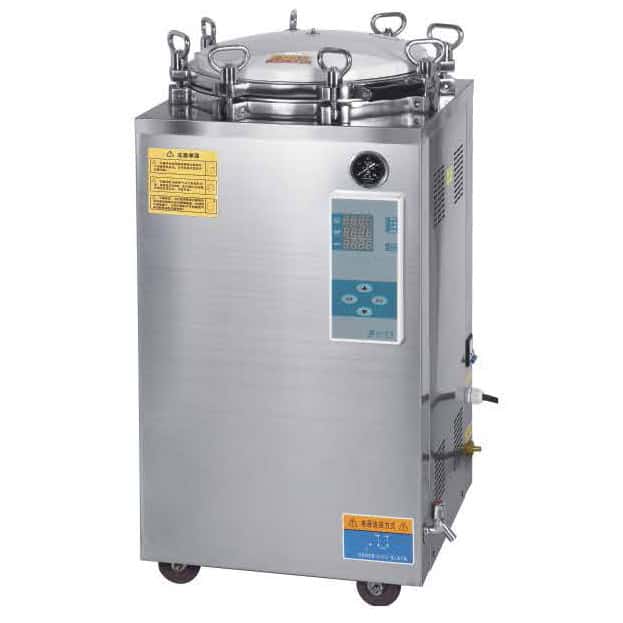
A Vertical Pressure Steam Sterilizer (Autoclave) utilizes saturated steam to denature microbial proteins, ensuring effective sterilization of culture media, medical devices, glassware, and laboratory waste. As a cornerstone of laboratory and medical facilities, maintaining its performance is critical.
Below is a comprehensive guide by HINOTEK on common autoclave failures and their technical solutions.
Section 1: Common Faults and Technical Solutions
01. Heating Failure
Symptoms: The device fails to increase temperature.
- Causes: Abnormal resistance in the heating element, damaged Solid State Relay (SSR), or unstable power input/output voltage.
- Solution: Test the resistance of the heating element and replace if open-circuited. Inspect and replace the SSR if necessary. Verify that the power supply matches the equipment specifications.
02. Water Level Sensor Malfunction
Symptoms: The “Low Water” indicator is active, but the temperature does not rise, or the water level display is erratic.
- Causes: Loose wiring in the water level circuit or oxidation/rust on the sensor probes.
- Solution: Secure all circuit connections. Clean the probes to remove scale or replace them if heavily corroded.
03. Interlock Indicator Failure
Symptoms: The interlock light remains off, preventing the sterilization cycle from starting.
- Causes: Faulty control switch or a burnt-out indicator bulb.
- Solution: Inspect the control switch and interlock light assembly; replace components as needed.
04. Steam Leakage
Symptoms: Steam escapes from the lid, preventing the unit from maintaining pressure.
- Causes: Damaged, aged, or improperly installed door gasket (sealing ring).
- Solution: Reinstall the gasket and apply a small amount of talcum powder for better sealing. If the gasket is cracked or deformed, replace it immediately.
05. Safety Valve Abnormalities
Symptoms: The safety valve fails to release pressure or trips prematurely.
- Causes: Internal spring fatigue or improper calibration/adjustment.
- Solution: Manually trigger the pressure relief valve regularly to prevent sticking. If the issue persists, contact a professional technician for recalibration or replacement.
06. Exhaust and Drainage Blockage
Symptoms: The exhaust or drain valves fail to open, causing residual pressure or water buildup.
- Causes: Clogging due to debris/media spills or mechanical valve failure.
- Solution: Clear any obstructions in the valves. Replace the valve if the internal mechanism is damaged.
07. Pressure and Temperature Discrepancy
Symptoms: The analog pressure gauge reading does not align with the digital temperature display.
- Causes: Residual cold air trapped inside the chamber or an excessively high water level interfering with the sensors.
- Solution: Open the exhaust valve to discharge trapped air. Ensure the water level is at the standard position.
08. Difficulty Opening the Lid
Symptoms: The lid is stuck after the cycle finishes.
- Causes: Residual vacuum/pressure inside the chamber or liquid boiling due to rapid venting.
- Solution: Always wait for the pressure to return to zero and the temperature to drop below 60°C before attempting to open the lid.
09. Control System & Display Errors
- Garbled Display: Often caused by a faulty control panel or temperature sensor. Replacement is required.
- Unresponsive Keys: If the “Shift” or “Set” keys do not flash, the control panel likely needs replacement.
- Heating Light On, No Heat: Indicates a burnt-out heating element.
Section 2: Maintenance and Operating Protocols
Regular maintenance ensures the longevity of your HINOTEK equipment. Please adhere to the following professional guidelines:
- Proper Loading: Add water until it reaches the level of the triangular rack. Do not overpack items; use string for bundles rather than tight wrapping. Wrap glassware (like Petri dishes) in kraft paper.
- Monitor Water Levels: Ensure the external reservoir level is between the minimum and maximum marks to prevent boiling over or dry heating.
- Safety First: Never open the autoclave until the pressure is 0 and the temperature is below 80°C (ideally lower for liquids).
- Water Quality: Always use RO (Reverse Osmosis) or Distilled Water. Using tap water causes scale buildup, which damages the heating element and sensors.
- Cleanliness: Keep sterilization baskets clean to prevent cross-contamination.
- Emergency Stop: If an error occurs, press the “STOP” button to abort the cycle and initiate cooling.
- Storage: If the unit will be idle for over a month, drain all water and clean the chamber thoroughly.
The Importance of Cold Air Removal
Expert Insight: The most critical step in steam sterilization is the complete removal of cold air. If air remains trapped, the pressure gauge may show the target value, but the internal temperature will be significantly lower (following Dalton’s Law of Partial Pressures). This results in incomplete sterilization. Always ensure the exhaust valve stays open until pure steam is discharged.
For a detailed guide on autoclave technology, including operational principles, key applications, and procurement advice, please explore our comprehensive resource: [What is Autoclave-Principles, Applications, and Procurement].
For high-quality laboratory autoclaves and technical support, visit www.HINOTEK.com.