
Introduction: Unveiling the Power of Polarized Light
|
|
|
 |


In the world of analytical science, few instruments offer such a direct and elegant window into the hidden, three-dimensional world of molecules as the polarimeter. At its core, a polarimeter is a scientific instrument designed to measure the angle of rotation of plane-polarized light as it passes through an optically active substance. This rotation, a phenomenon known as optical rotation, is not merely an optical curiosity; it is a fundamental and quantifiable property that provides critical insights into a substance’s identity, concentration, purity, and molecular structure.
This non-destructive technique serves as a cornerstone for quality control, process monitoring, and research and development across a vast spectrum of industries. From ensuring the safety and efficacy of pharmaceuticals to verifying the purity of sugars in the food and beverage industry and characterizing new compounds in chemical manufacturing, polarimetry is an indispensable analytical method.
The instrument’s operation hinges on the interaction between light and a unique molecular property called chirality—a concept often described as “handedness”. The polarimeter acts as a unique bridge between the realms of physics and chemistry. It masterfully employs a physical principle—the behavior of polarized light—to decode and quantify a profound chemical characteristic: the spatial arrangement of atoms within a molecule. By translating the invisible, microscopic asymmetry of a molecule into a tangible, measurable angle, the polarimeter empowers scientists and technicians to assess quality and ensure consistency with unparalleled precision and simplicity. This guide provides an exhaustive exploration of the polarimeter, from its fundamental scientific principles and core components to its diverse applications and the practical considerations for its use in the modern laboratory.
The Science of Polarimetry: How Light Reveals Molecular Secrets
To fully appreciate the capabilities of a polarimeter, one must first understand the foundational principles that govern its operation: the nature of polarized light, the molecular property of chirality, and the resulting phenomenon of optical rotation. These concepts explain how a simple beam of light can become a powerful probe for molecular structure.
Understanding Polarized Light and Optical Rotation
 |
Light from a conventional source, such as an LED or a sodium lamp, is composed of electromagnetic waves that oscillate in an infinite number of planes perpendicular to their direction of travel. This is known as unpolarized light. The first critical step in polarimetry is to tame this randomness.
A polarimeter achieves this using a special optical element called a polarizer. This component, often a Nicol prism or a specialized polymer film, acts as a microscopic filter, selectively allowing only the light waves oscillating in one specific plane to pass through. The light that emerges from the polarizer is now
plane-polarized, meaning all its waves vibrate in a single, uniform plane.
When this well-ordered, plane-polarized light travels through a transparent medium like air or water, its plane of polarization remains unchanged. However, if it passes through a solution containing what is known as an “optically active” substance, the plane of polarization is rotated by a specific angle.2 This rotation of the light’s plane is the central phenomenon measured in polarimetry and is called
optical rotation. The polarimeter’s fundamental purpose is to precisely measure this angle of rotation, providing a direct link to the properties of the substance in the sample path.
The Concept of Chirality: The “Handedness” of Molecules
The ability to rotate plane-polarized light is not a universal property of matter. It is an exclusive characteristic of chiral materials. The term chirality (from the Greek cheir, meaning “hand”) describes a fundamental geometric asymmetry. A chiral object is one that cannot be superimposed onto its mirror image. The most intuitive example is a pair of human hands: a left hand and a right hand are mirror images of each other, but no amount of rotation can make them identical.
In chemistry, this concept applies to molecules. A chiral molecule and its non-superimposable mirror image are called enantiomers. Enantiomers are a unique type of stereoisomer; they have the same chemical formula, the same connectivity of atoms, and identical physical properties such as boiling point, melting point, and density. Their only differentiating feature is their three-dimensional shape and, consequently, their interaction with plane-polarized light. In contrast, a molecule that is superimposable on its mirror image, like a water molecule, is called achiral and is optically inactive—it will not rotate polarized light.
In organic chemistry, the most common source of chirality is a chiral center, which is typically a carbon atom bonded to four different and unique groups of atoms. The specific three-dimensional arrangement, or absolute configuration, around this center can be described using the Cahn-Ingold-Prelog (CIP) system, which assigns an R (from the Latin rectus, right) or S (from the Latin sinister, left) designation.
The power of polarimetry lies in its ability to provide a macroscopic view of this microscopic asymmetry. The angle of rotation measured by the instrument is a direct, observable consequence of the collective interactions between the polarized light and the billions of chiral molecules in the sample. It transforms the abstract geometric concept of molecular handedness into a concrete, measurable value, making it an invaluable tool for chemical analysis.
Dextrorotatory vs. Levorotatory and Racemic Mixtures
When analyzing a pair of enantiomers, one will invariably rotate the plane of polarized light in a clockwise direction. This behavior is termed dextrorotatory (from the Latin dexter, meaning right) and is denoted by a positive sign (+) or the prefix (d). Its mirror-image partner, the other enantiomer, will rotate the light by the exact same angular magnitude but in the opposite, counter-clockwise direction. This is termed levorotatory (from the Latin laevus, meaning left), denoted by a negative sign (−) or the prefix (l).
It is crucial to understand that the experimental d/l or (+/−) designation is entirely independent of the structural R/S designation derived from the CIP rules. An R-enantiomer can be either dextrorotatory or levorotatory, and there is no way to predict the direction of rotation from the structure alone; it must be determined experimentally using a polarimeter.
What happens when both enantiomers are present in a solution? If a solution contains an equal, 50:50 mixture of a dextrorotatory and a levorotatory enantiomer, it is called a racemate or a racemic mixture. In this case, for every molecule rotating the light to the right, there is another rotating it an equal amount to the left. The two effects perfectly cancel each other out, resulting in a net optical rotation of zero. Therefore, a racemic mixture is optically inactive. This principle is fundamental to using a polarimeter to assess the purity of a chiral substance, often expressed as enantiomeric excess.
Anatomy of a Polarimeter: A Look Inside the Instrument
While the principles of polarimetry are rooted in the complex interaction of light and matter, the instrument itself is composed of a series of well-defined components working in sequence. Understanding the function of each part is essential for operators, maintenance personnel, and purchasers to appreciate the instrument’s capabilities and ensure its proper use.
The Complete Optical Pathway
The journey of light through a polarimeter follows a logical and linear path, designed to first create polarized light, then allow it to interact with the sample, and finally measure the resulting change. The sequence is as follows :
|
|
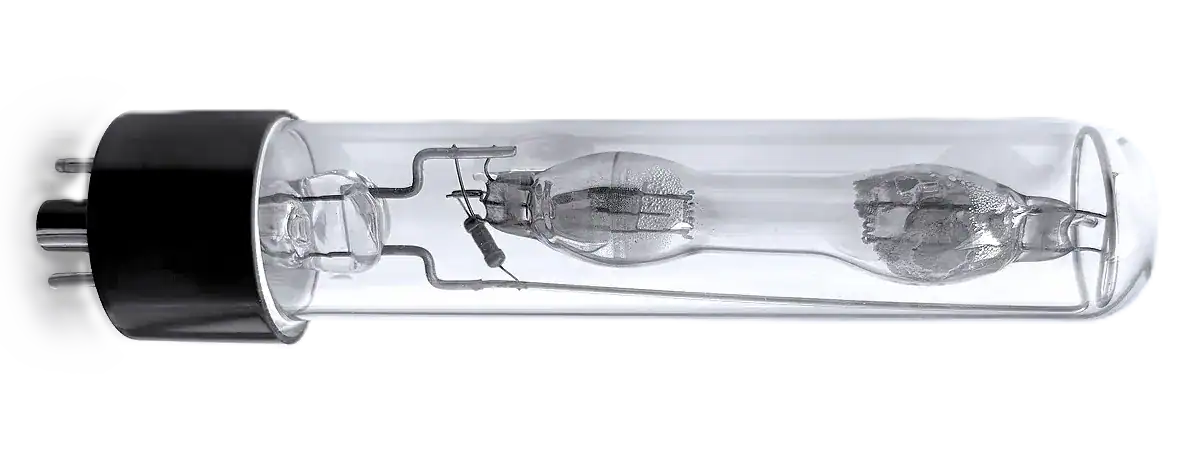
-
- Light Source: Emits unpolarized, monochromatic light.
|
|
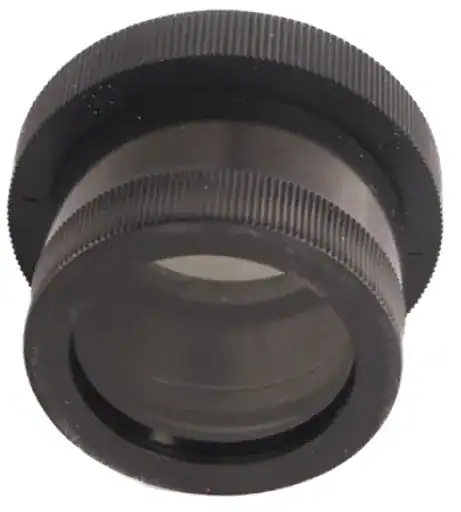
-
- Polarizer: Intercepts the unpolarized light and transmits only plane-polarized light.
|
|
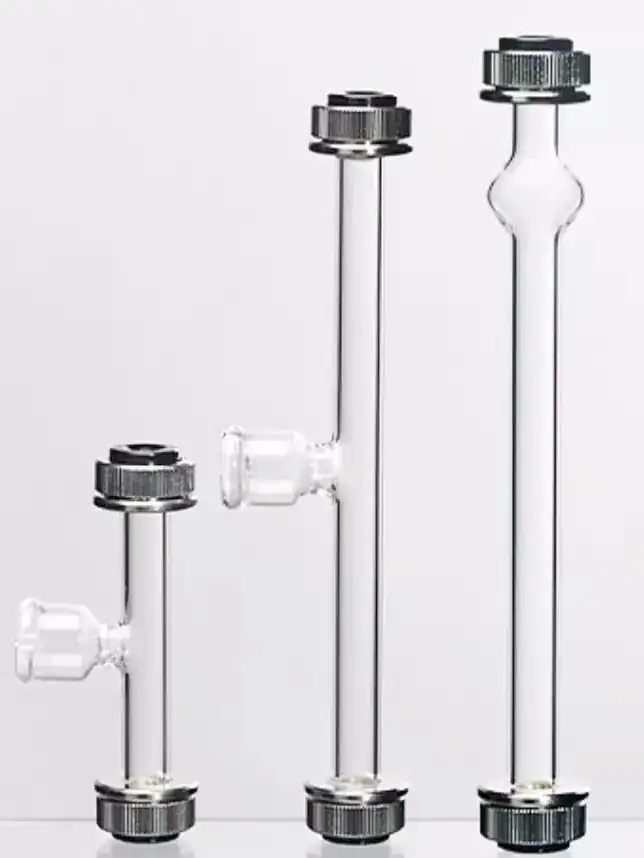
- Sample Cell/Tube: Contains the liquid sample through which the plane-polarized light passes. If the sample is optically active, the plane of polarization is rotated here.
- Analyzer: A second polarizing filter that is rotated to determine the new orientation of the light’s polarization plane.
- Detector: Measures the intensity of the light passing through the analyzer, allowing for the precise determination of the rotation angle.
Core Components Explained
Light Sources
The quality of a polarimetric measurement is highly dependent on the light source being monochromatic (of a single wavelength), as optical rotation varies with wavelength.
- Sodium D-line Lamp: Historically, the industry standard has been the sodium vapor lamp, which produces a characteristic yellow light at a wavelength known as the sodium D-line (approximately 589 nm). The vast majority of historical and pharmacopoeial data for specific rotation is based on this wavelength, making it a critical standard for comparability.
- LEDs and Other Sources: Modern polarimeters have increasingly transitioned to using high-intensity Light Emitting Diodes (LEDs) paired with precise interference filters to isolate the 589 nm wavelength. Other sources, like mercury lamps, can provide additional discrete wavelengths (e.g., 546 nm, 436 nm, 365 nm) for advanced research applications such as optical rotatory dispersion.
The shift from traditional sodium lamps to modern LEDs represents more than a simple component swap; it signifies a fundamental evolution in instrument design that directly impacts laboratory operations and economics. Sodium lamps are characterized by significant operational drawbacks, including a short lifespan (typically 50-200 hours), a required warm-up period to achieve stable output, physical fragility, and the presence of toxic mercury, which creates disposal challenges. In contrast, LEDs offer a suite of compelling advantages: an exceptionally long operational life (often exceeding 5,000 hours), instant-on stability, robust solid-state construction, greater energy efficiency, and lower replacement costs.22 This technological advancement transforms the polarimeter from a delicate, high-maintenance instrument into a reliable, low-maintenance workhorse suitable for high-throughput environments. For laboratory managers, importers, and distributors, the presence of an LED light source is a key indicator of a modern design focused on reliability, uptime, and a lower total cost of ownership.
The Polarizer and Analyzer
The polarizer and analyzer are the heart of the polarimeter’s optical system. They are essentially two polarizing filters, which can be made from materials like calcite (in the form of Nicol prisms) or specialized dichroic polymer sheets.
- The Polarizer is positioned first in the optical path, immediately after the light source. Its orientation is fixed, and its sole purpose is to convert the unpolarized light from the source into plane-polarized light before it reaches the sample.
- The Analyzer is located after the sample tube. It is identical in principle to the polarizer but is mounted on a precision rotating mechanism. By rotating the analyzer, the operator (or the instrument’s automated system) can determine the new orientation of the light’s polarization plane after it has been altered by the sample. The measurement is typically made by finding the angle of minimum light transmission, or the “null point,” which occurs when the analyzer’s transmission axis is exactly perpendicular (90∘) to the plane of the incoming polarized light. The angle to which the analyzer must be turned to achieve this null point is the observed angle of rotation.
Sample Tubes and Cells
The sample itself is held in a precision-engineered container called a sample tube or cell, which is placed in the light path between the polarizer and analyzer.
|
|
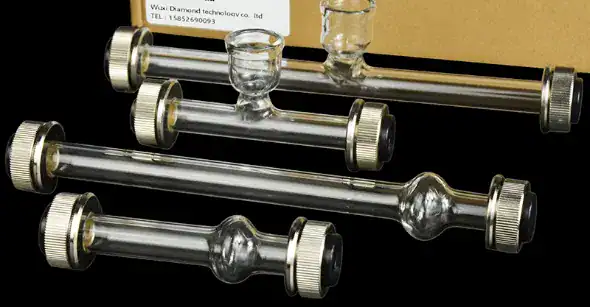
- Path Length: The length of the tube through which the light travels is a critical parameter, as the observed rotation is directly proportional to this length. Standard path lengths are 100 mm (1.0 dm) and 200 mm (2.0 dm). Using a 200 mm cell effectively doubles the measured rotation compared to a 100 mm cell, providing greater sensitivity for samples with very weak optical activity.
- Materials: Tubes are typically constructed from high-quality, strain-free glass or stainless steel for durability. The end caps and seals are made from various materials like nylon, stainless steel, or PEEK (polyether ether ketone) to ensure chemical compatibility with a wide range of samples, including strong acids like hydrochloric acid (HCl).
- Design Types: A variety of designs are available to suit different applications:
- Center-fill tubes have a side arm for easy filling with a pipette or from a beaker.
- Bubble-trap tubes are designed with an expansion chamber to ensure any small air bubbles are kept out of the optical path, preventing measurement errors.
- Flow-through cells have inlet and outlet ports, allowing for continuous sample measurement or integration into automated systems, which is ideal for high-throughput process control.
- Low-volume cells are designed for precious or rare samples, requiring as little as 0.1 mL of liquid.
- Temperature Control: Since optical rotation is temperature-dependent, high-precision measurements require stable temperature control. Many modern sample cells are made of stainless steel for efficient thermal conductivity and are designed to interface directly with integrated Peltier heating and cooling systems.
Detectors
The final component in the pathway is the detector, which quantifies the amount of light passing through the analyzer.
- In traditional manual polarimeters, the detector is simply the human eye, which visually assesses the brightness of the field of view.
- In modern automatic and digital polarimeters, the eye is replaced by a highly sensitive electronic photodetector, such as a silicon photodiode or a photomultiplier tube (PMT). These devices convert the intensity of the light into an electrical signal, which is then processed by the instrument’s electronics. This allows for an objective, rapid, and highly precise determination of the null point, far exceeding the capabilities of the human eye.
The Evolution of Polarimetry: From Manual to Digital Automation
The history of the polarimeter is one of continuous technological advancement, moving from entirely manual, subjective instruments to highly automated, precise systems that are mainstays in modern analytical laboratories. This evolution has dramatically improved the accuracy, speed, and reliability of polarimetric measurements, making the technique accessible for a wider range of demanding applications.
The Classic Manual Polarimeter

The original design of the polarimeter is a completely manual instrument. Its operation requires significant user skill and attention. The user peers through an eyepiece and physically rotates the analyzer by hand. The goal is to find the precise angle of rotation by observing a change in the visual field. To make this easier, many manual instruments use a “half-shade” device (such as a Laurent plate), which splits the field of view into two or three segments. The user then rotates the analyzer until all segments appear equally bright, which is a more sensitive endpoint to judge than absolute darkness. The final angle of rotation is then read from a vernier scale engraved on the instrument’s body.
While historically significant and useful for educational purposes, manual polarimeters have several inherent limitations. The measurement is subjective, varying from one user to another, and can be affected by eye fatigue. The process is also slow and offers lower precision compared to modern alternatives, making it unsuitable for high-throughput or regulated environments.
The Rise of Automation: Digital and Automatic Polarimeters
The advent of modern electronics and servomotors revolutionized polarimetry, leading to the development of semi-automatic and fully automatic instruments.
-
- Semi-Automatic Polarimeters: These instruments represent an intermediate step. The user still observes the endpoint visually through an eyepiece, but the analyzer is rotated using push-buttons, and the final angle is shown on a digital display. This removes the need to read a vernier scale, improving convenience and reducing reading errors.
- Fully Automatic and Digital Polarimeters: These are the standard in modern industrial and research labs. The entire measurement process is automated. Instead of manual rotation, the instrument uses a precision motor to rotate the analyzer or, in some advanced designs, a Faraday modulator to rapidly oscillate the plane of polarization. A photodetector provides feedback to the system, which electronically identifies the precise angle of minimum light transmission (the null point). The result is calculated and displayed on a digital screen, often in a matter of seconds.
The advantages of this automation are profound. It delivers a dramatic improvement in accuracy (often to 0.01° or better), precision, and repeatability by eliminating user subjectivity. Measurement speed is significantly increased, making the instruments ideal for high-throughput quality control. Furthermore, digital polarimeters offer a host of advanced features, including internal data storage, connectivity to Laboratory Information Management Systems (LIMS), software for calculating specific rotation or concentration, and automated calibration routines.
Comparison of Polarimeter Types
The following table provides a clear comparison of the key characteristics and capabilities of the different types of polarimeters, offering a quick reference for understanding their evolution and suitability for various applications.
| Feature | Manual Polarimeter | Semi-Automatic Polarimeter | Fully Automatic/Digital Polarimeter |
| Principle of Operation | Manual rotation of analyzer to find visual null point | Push-button rotation of analyzer to find visual null point | Motorized rotation or Faraday modulation to find electronic null point |
| Angle Detection | Human eye (subjective visual matching of brightness) | Human eye (subjective visual matching of brightness) | Electronic photodetector (objective measurement of light intensity) |
| Readout | Analog Vernier scale | Digital display | High-resolution digital touchscreen or display |
| Accuracy & Precision | Lower (e.g., ±0.05°), limited by user skill | Moderate, improved by digital readout | High (e.g., ±0.01° to ±0.002°), highly repeatable |
| Measurement Speed | Slow (minutes per sample) | Moderate | Fast (seconds per sample) |
| Key Advantages | Low cost, simple design, excellent for teaching principles | Easier to read than manual, less expensive than fully automatic | High accuracy, speed, and objectivity; data logging; compliance features |
| Key Disadvantages | Subjective, slow, prone to user error, low precision | Still relies on subjective visual detection | Higher initial cost, more complex electronics |
| Primary Applications | Educational labs, basic demonstrations | Basic laboratory tasks where higher precision is not critical | Pharmaceutical QC, food and beverage industry, chemical R&D, high-throughput analysis |
Quantifying the Invisible: Specific Rotation and Biot’s Law
A polarimeter provides a direct measurement called the observed rotation, but this raw value is dependent on the specific conditions of the experiment. To make polarimetry a truly powerful and universal analytical tool, this observed rotation must be converted into a standardized, intrinsic property of the compound being studied. This is achieved by calculating the specific rotation using a fundamental principle known as Biot’s Law.
From Observed Rotation to a Standardized Value
The angle measured directly by the polarimeter is the observed rotation, denoted by the Greek letter alpha (α). This value is not a constant; it is influenced by several factors, including the concentration of the sample, the length of the sample tube, the temperature, and the wavelength of the light used.
To eliminate the variables of concentration and path length, scientists use a normalized value called the specific rotation, denoted as [α]. The specific rotation is a fundamental physical constant for a chiral compound, just like its melting point or boiling point. It is defined as the optical rotation observed when light passes through a 1 decimeter (dm) path length of a sample at a concentration of 1 gram per milliliter (g/mL) for a solution, or a density of 1 g/mL for a pure liquid.
Because temperature and wavelength also affect the measurement, they must be specified when reporting a specific rotation value. The standard notation is [α]λT, where T is the temperature in degrees Celsius and λ is the wavelength in nanometers. The most common standard is measurement at 20°C or 25°C using the sodium D-line (589 nm), which would be written as [α]D20 or [α]D25.
Applying Biot’s Law
The mathematical relationship that connects these variables was discovered in the early 19th century by the French physicist Jean-Baptiste Biot and is now known as Biot’s Law. This law forms the basis of all quantitative polarimetric analysis.
For a compound dissolved in a solution, Biot’s Law is expressed as: [α]λT=l×cα Where:
- [α]λT is the specific rotation at temperature T and wavelength λ.
- α is the observed rotation in degrees.
- l is the optical path length of the sample tube in decimeters (dm).
- c is the concentration of the solution in grams per milliliter (g/mL). Note that some pharmacopoeias and industries define concentration in grams per 100 milliliters (g/100mL), which requires a corresponding adjustment to the formula.
This relationship is immensely powerful because it can be algebraically rearranged. If the specific rotation of a pure substance is a known constant, a polarimeter can be used to determine the concentration of that substance in an unknown solution: c=l×[α]λTα
This is the most common application of polarimetry in quality control environments, allowing for rapid and accurate concentration measurements of known chiral substances like sugars or pharmaceuticals.
Addressing Measurement Ambiguities
A critical practical consideration in polarimetry is measurement ambiguity. A polarimeter measures the final orientation of the light’s polarization plane, not the total angular distance it has traveled. This means that a measured rotation of +90° is indistinguishable from a rotation of -270° or +450°, as they all result in the same final orientation of the light plane.
Why Does This Ambiguity Occur?
The polarization plane of light is periodic, with a period of 180°. However, polarimeters typically display readings on a 360° scale. This means any given reading, say , actually represents a series of possible angles, such as (where is any integer).
For example, if a polarimeter reads +30°, the actual rotation could be +30°, +210° (30+180), -150° (30-180), or even +390° (30+360) or -330° (30-360), and so on. To resolve this ambiguity, you often need to perform multiple measurements, such as by changing the sample concentration or using a different path length. If the measured optical rotation shows a linear relationship with concentration, you can then determine the true rotation angle.
Most automatic polarimeters have a display range limited to ±90∘ or ±180∘. If a sample has a true rotation greater than this range, the instrument will display an “aliased” value. For example, a true rotation of +225∘ might be displayed as +45∘ on an instrument with a ±180∘ range (225−180=45).
To resolve this ambiguity and find the true rotation, the operator must perform a simple experiment. By systematically diluting the sample and re-measuring, the true rotation can be deduced. For example, if a sample gives a reading of +45∘, and a five-fold dilution of that sample also gives a reading of +45∘, it is highly unlikely that the true rotation is simply +45∘ (which would have become +9∘ upon dilution). Instead, the true rotation was likely +225∘ (since 225/5=45), or another multiple of 180∘ plus 45∘.10 This practical knowledge is essential for obtaining accurate results when working with highly concentrated or strongly rotating substances.
Polarimeters in Action: A World of Applications
The true value of a polarimeter is demonstrated by its broad utility across numerous scientific and industrial sectors. Its ability to provide rapid, non-destructive analysis of chiral compounds makes it an essential tool for quality control, process monitoring, and research.
Pharmaceuticals: Ensuring Drug Purity, Safety, and Efficacy
The pharmaceutical industry is one of the most critical users of polarimetry, where the chirality of a drug molecule can be the difference between a therapeutic effect and a toxic one.
- Chiral Purity Analysis: Many active pharmaceutical ingredients (APIs) are chiral. It is common for one enantiomer to be pharmacologically active while its mirror image is inactive or, in some cases, causes harmful side effects. The most infamous example is Thalidomide, a drug prescribed in the 1950s and 60s. The (R)-enantiomer was an effective sedative, but the (S)-enantiomer was a potent teratogen, causing severe birth defects.44 Polarimetry is therefore essential for determining the
enantiomeric excess (a measure of chiral purity) of APIs to ensure that the correct, safe enantiomer is present in the final drug product. - Quality Control and Pharmacopoeia Compliance: Polarimeters are used for routine quality control of both incoming raw materials (such as amino acids, steroids, vitamins, and antibiotics) and finished drug formulations. International pharmacopoeias, including the United States Pharmacopeia (USP) and European Pharmacopoeia (EP), specify acceptable ranges for the specific rotation of numerous substances, and polarimetry is the required method for verifying compliance.
- Compound Identification: When new drug compounds are synthesized, measuring the specific rotation is a key step in their characterization and identification, with the value being compared to literature or theoretical values.
Food & Beverage: Quality Control in Sugars, Syrups, and Flavors
Polarimetry has been used in the food industry for over a century, primarily for the analysis of sugars and sweeteners.
- Sugar Analysis (Saccharimetry): The technique is widely used to measure the concentration of sucrose, glucose, fructose, and lactose in products like syrups, honey, fruit juices, and dairy products.2 Instruments specifically calibrated for the sugar industry are often called
saccharimeters and typically use the International Sugar Scale (°Z) instead of angular degrees. - Purity and Adulteration Detection: The specific rotation of natural products like honey and maple syrup is well-characterized. Polarimetry can quickly verify the purity of these products and detect adulteration with cheaper sweeteners, such as high-fructose corn syrup (HFCS), which would alter the expected optical rotation.
- Process Control: In the manufacturing of confectionery and soft drinks, polarimetry is used to monitor and control the inversion of sucrose into glucose and fructose. The blend ratio of these sugars is critical for controlling the sweetness, crystallization properties, and shelf life of the final product.
Chemicals, Flavors, and Fragrances: Characterizing Compounds and Monitoring Reactions
In the chemical industry, polarimetry is a versatile tool for both quality assessment and process optimization.
- Raw Material Inspection: Polarimeters are used for the quality control of incoming optically active raw materials, such as essential oils (e.g., lemon oil, spearmint oil, lavender oil), camphors, gums, and natural acids (e.g., citric acid, tartaric acid).
- Polymer Characterization: The optical rotation of polymers can provide information about their structure and composition, making polarimetry a useful technique for characterizing both natural biopolymers and synthetic polymers.
- Monitoring Reaction Kinetics: The role of polarimetry often extends beyond static quality control checks into the dynamic world of process monitoring. By continuously measuring the optical rotation of a reaction mixture over time, chemists can track the progress of a reaction involving chiral reactants or products. This is particularly valuable in asymmetric synthesis or during enzymatic reactions, where one chiral form is converted into another. The resulting data provides deep insights into reaction rates and mechanisms, allowing for process optimization to improve yield and efficiency.2 This dual capability—serving both as a final QC check and a dynamic process analytical tool—highlights the instrument’s versatility and value in a chemical manufacturing environment.
Academia and Research: Advancing Scientific Discovery
In university and research settings, polarimeters are fundamental tools for both education and cutting-edge discovery.
- Molecular Structure Analysis: Advanced polarimeters capable of measuring at multiple wavelengths are used to perform Optical Rotatory Dispersion (ORD) studies. Plotting specific rotation as a function of wavelength creates an ORD curve, which can provide detailed information about a molecule’s stereochemistry and structure.
- Compound Identification: In synthetic chemistry, polarimetry is a standard method for characterizing newly created chiral compounds. It is also used in conjunction with separation techniques like High-Performance Liquid Chromatography (HPLC) to help identify and quantify the components of a mixture.
- Educational Tool: Simple, manual polarimeters are excellent for teaching the fundamental concepts of stereoisomerism, chirality, and optical activity to undergraduate chemistry students, providing a hands-on demonstration of these otherwise abstract principles.
Mastering the Measurement: A Practical Guide to Using a Polarimeter
Achieving accurate, reliable, and repeatable results with a polarimeter requires more than just a high-quality instrument; it demands careful attention to procedure, calibration, and best practices. Following a standardized operating procedure is key to mastering the measurement.
A Step-by-Step Guide to Operation
While specific controls vary between models, the fundamental workflow for taking a measurement is consistent.
- Power On and Stabilize: Turn on the instrument’s power. Allow the light source to warm up and stabilize, which is particularly important for models with sodium lamps. LED-based instruments stabilize almost instantly.
- Calibrate or Zero the Instrument: Before any sample measurement, a baseline or zero point must be established. Fill a clean, dry sample cell with the same solvent (the “blank”) used to prepare your sample (e.g., distilled water, ethanol). Place the cell in the instrument and perform a zero measurement. The instrument should read 0.000∘.
- Prepare the Sample: Ensure your sample is completely dissolved and the solution is clear and homogeneous. Any suspended particles or turbidity can scatter light and cause inaccurate readings. Filter the sample if necessary.
- Fill the Sample Cell: First, rinse the clean cell once or twice with a small amount of the sample solution to remove any residual solvent. Then, carefully fill the cell. The most common source of error is trapped air bubbles in the light path. Fill the cell slowly, often by injecting the sample into the lower port of a flow-through cell or by tilting a center-fill tube, to allow air to escape. Ensure the optical windows on both ends are clean and dry on the outside.
- Take the Measurement: Place the filled sample cell into the sample chamber, ensuring it is seated correctly and in the same orientation as the blank was. If using a temperature probe, insert it properly. For an automatic polarimeter, enter any required sample identifiers on the screen and press the “Start” or “Read” button. The instrument will display a stable reading. For a manual instrument, rotate the analyzer until the null point is reached and record the value from the scale.
- Clean Up Immediately: After the measurement is complete, empty the sample cell and clean it thoroughly with an appropriate solvent. Never leave samples, especially corrosive ones, in the cell for extended periods. Proper and immediate cleaning prevents residue buildup and cross-contamination, ensuring the instrument is ready for the next use.
Calibration and Verification: The Key to Accuracy
Regular calibration and verification are essential for ensuring data integrity and maintaining compliance with quality standards.
- Zero Calibration: As mentioned, zeroing with a pure solvent is the most frequent calibration, performed before each set of measurements to correct for any instrument drift or solvent effects.
- Instrument Verification with Standards: The accuracy and linearity of a polarimeter should be periodically verified using certified standards. The most reliable and stable standards are quartz control plates. These are pieces of crystalline quartz cut to precise thicknesses and mounted in a holder. They have an extremely stable and accurately known optical rotation value that is traceable to national standards institutes (like NIST). Measuring a quartz plate confirms that the instrument’s entire optical and electronic system is functioning correctly. Sucrose solutions of certified concentrations can also be used, particularly to verify the instrument’s linearity across its measurement range.
Best Practices for Reliable Results
To minimize errors and ensure the highest quality data, adhere to the following best practices:
- Temperature Control: Optical rotation is highly dependent on temperature. For applications requiring high accuracy, such as in the pharmaceutical industry, the sample temperature must be precisely controlled and maintained using either an external circulating water bath or, more conveniently, an instrument with an integrated Peltier temperature control system. Always record the temperature at which the measurement was taken.
- Wavelength Selection: Ensure the correct light source and wavelength are selected for your analysis. While 589 nm is the most common, some official methods (e.g., in pharmacopoeias) specify other wavelengths. Using the wrong wavelength will produce an incorrect result.
- Solvent Effects: The solvent can influence the measured optical rotation. Always use high-purity, optically inactive solvents. For consistency, use the same batch of solvent for the blank and all samples in a series. When reporting specific rotation, the solvent used must always be specified.
- Concentration: Be aware that the linear relationship between concentration and rotation (Biot’s Law) may break down at very high concentrations. Work within a validated concentration range for your substance to ensure linearity and accuracy.
- Cell Handling and Care: Always handle sample cells by their metal collars or non-optical surfaces to avoid leaving fingerprints on the glass windows. When sealing the cell, tighten the end caps just enough to prevent leaks. Over-tightening can induce strain in the optical windows, creating a false optical rotation reading.
Tips: How to Use a Polarimeter: Operating Procedure and Precautions.
Tips: Polarimeter FAQs: Everything You Need to Know — A Must-Read for Selection and Procurement.
Choosing the Right Polarimeter for Your Laboratory
Selecting the appropriate polarimeter is a critical decision that depends on a careful evaluation of your laboratory’s specific applications, throughput requirements, accuracy needs, and regulatory environment. A thoughtful assessment of these factors will ensure you invest in an instrument that provides reliable performance and long-term value.
Key Purchasing Considerations
When navigating the market for a new polarimeter, consider the following key factors:
- Accuracy and Precision: What level of performance does your application demand? For educational or basic QC applications, an instrument with an accuracy of ±0.02∘ may be sufficient. However, for demanding pharmaceutical or research applications, a high-precision instrument with an accuracy of ±0.01∘ or better is often required.
- Wavelength Capabilities: Will you only be measuring at the standard sodium D-line (589 nm)? Or do your analyses, particularly in pharmaceutical or research settings, require measurements at other wavelengths in the ultraviolet (UV) or near-infrared (NIR) spectrum? Multi-wavelength instruments offer greater flexibility but come at a higher cost.
- Temperature Control: Is precise temperature control a necessity? For many applications, especially those governed by pharmacopoeia standards, measurements must be made at a specific, stable temperature (e.g., 20°C or 25°C). An instrument with integrated Peltier temperature control offers the highest level of convenience and accuracy, eliminating the need for an external water bath.
- Throughput and Automation: How many samples do you analyze per day? For high-throughput labs, measurement speed, ease of cleaning, and options for automation (like flow-through cells) are critical factors to minimize bottlenecks and maximize productivity.
- Sample Compatibility: Consider the chemical and physical properties of your typical samples. Do you work with strong acids or bases that require corrosion-resistant cells (e.g., Hastelloy or PEEK)? Do you often have very dark or turbid samples that require an instrument with a high-intensity light source and sensitive detector? Are your samples precious and available only in small quantities, necessitating low-volume cells?.
- Budget: The price of polarimeters can vary significantly, from a few thousand dollars for a basic manual model to tens of thousands for a high-performance, multi-wavelength, compliance-ready automatic system. Balance your technical requirements with your available budget, and also consider long-term costs such as maintenance and consumables (e.g., lamps).
Navigating Regulatory Compliance: The Importance of FDA 21 CFR Part 11
For laboratories operating in regulated industries such as pharmaceuticals, biotechnology, and certain sectors of the food and beverage industry, technical specifications are only part of the purchasing decision. The ability to comply with regulatory standards for data integrity is often the most critical requirement.
The most important of these regulations is the U.S. Food and Drug Administration’s (FDA) Title 21 of the Code of Federal Regulations (CFR) Part 11. This regulation establishes the criteria under which electronic records and electronic signatures are considered trustworthy, reliable, and equivalent to paper records. Any analytical instrument that generates data used for quality decisions, batch release, or submission to the FDA must comply with these requirements.
For a significant portion of the polarimeter market, compliance is not merely an optional feature but a fundamental prerequisite that dictates instrument choice. An instrument lacking these capabilities is simply not viable for use in a Good Manufacturing Practice (GMP) or Good Laboratory Practice (GLP) environment. When selecting a polarimeter for a regulated lab, look for instruments that offer a comprehensive 21 CFR Part 11 compliance package, which should include:
- Secure, Time-Stamped Audit Trails: The instrument’s software must automatically log every action performed, including user logins, instrument configuration changes, method adjustments, measurements, and deletions. Each entry must be time-stamped and unalterable.
- User Access Control: The system must allow for the creation of unique user accounts with distinct access levels (e.g., Administrator, Reviewer, Operator). Access should be controlled by unique usernames and secure passwords.
- Electronic Signatures: The software should support the use of electronic signatures to document actions like creating a method, reviewing results, or approving a batch report. Multi-level signature capabilities (e.g., operator performs, supervisor reviews) are often required.
- Secure Data Management: All data must be stored in a secure, write-protected format to prevent tampering or accidental deletion. Many modern polarimeters offer this functionality directly on the instrument, eliminating the data security risks and validation complexities associated with using an intermediate PC.
Conclusion: The Enduring Relevance and Future of Polarimetry
For over two centuries, since the discovery of optical activity, polarimetry has remained an enduring and indispensable analytical technique. Its strength lies in its elegant simplicity, providing a direct, accurate, and non-destructive method to probe the chiral nature of molecules.4 From safeguarding public health by ensuring the purity of pharmaceuticals to maintaining the quality and authenticity of food products, the polarimeter is a workhorse instrument that provides critical information with speed and reliability.
The evolution from manual, subjective instruments to highly automated, digitally controlled systems has vastly expanded the technique’s precision and applicability. Today’s polarimeters offer features like integrated temperature control, multi-wavelength capabilities, and robust software that meets the stringent demands of regulated industries, solidifying their role in the modern laboratory.
Looking ahead, the field of polarimetry continues to advance. The future promises further miniaturization, with the potential for microchip-based polarimeters for field applications, as well as greater automation and higher throughput to meet the demands of industrial process control.37 Furthermore, the integration of polarimetry with other powerful analytical techniques, such as chromatography and spectroscopy, will enable more comprehensive and multi-faceted characterization of complex samples, ensuring that this foundational technique remains at the forefront of scientific discovery and quality assurance for years to come.
Q& A:
1. In which industries are polarimeters mainly used? A: They are widely used in industries such as food, chemicals, pharmaceuticals, and flavors and fragrances.
2. What specifications should be considered when purchasing a polarimeter? A: Accuracy and repeatability are the most important specifications. The sample transmittance can reflect the instrument’s sensitivity; generally, a 1% sample transmittance indicates relatively high sensitivity. If purchasing a temperature-controlled polarimeter, the temperature control accuracy is very important. If the temperature control accuracy and stability are not high enough, it is better to use an external water bath for temperature control.
3. What is the difference between using a sodium lamp versus an LED as a light source in a polarimeter? A: Firstly, all optical rotation measurements must be taken at a fixed, single wavelength. The wavelength of a sodium lamp in the air is 589.3nm. An LED light, when paired with a special filter, can also achieve 589.3nm, producing the same effect as a sodium lamp. Secondly, the lifespan of a sodium lamp is generally between 50 and 200 hours, whereas the lifespan of an LED light is typically at least 5,000 hours. Furthermore, the price of LED lights is much lower than that of sodium lamps, so the replacement of sodium lamps with LEDs is an inevitable trend.
4. What kinds of samples require temperature control during testing? A: Temperature affects the optical rotation of all substances. Therefore, in theory, all sample testing has some temperature requirements. However, for some substances, such as sugar, a complete set of temperature correction coefficients is available. Alternatively, if the user’s requirements for the final result are not high and the data deviation caused by temperature can be ignored, a polarimeter without temperature control can be selected.
5. What are the benefits of an automatic calibration function in a polarimeter? A: An automatic calibration function allows the user to monitor the instrument’s operating status at all times and to promptly adjust its testing accuracy, ensuring the instrument remains in an optimal working condition.
6. What are the different measurement modes of a polarimeter? A: There are mainly four modes: optical rotation, specific rotation, concentration, and sugar content. The HINOTEK WZZ-3 Automatic Polarimeter currently offers the ability to switch between these four modes freely, saving the user the trouble of performing additional calculations.
7. How often should a polarimeter with a built-in calibration function be calibrated? A: Depending on the frequency of use and accuracy requirements, you can choose to calibrate it weekly or monthly. If the user frequently measures within a specific angular range, they can also calibrate the instrument daily using a quartz standard tube with a value closest to the test angle.
8. How does the external environment affect the measurement results of a polarimeter? A: Since temperature affects the measurement results of a sample, it is recommended that users keep the room temperature close to 20°C, even when sample temperature control is available. Ideally, the instrument’s long-term working environment should be between 15-25°C to avoid a large temperature difference between the ambient and test temperatures, which can cause inaccurate results.
If you are ready to find the right Polarimter for your laboratory, please browse our complete product range: Polarimeter
This guide is maintained by HINOTEK’s core technical team, comprised of senior engineers and application scientists with over two decades of hands-on experience in fields such as microscopy, centrifugation, and spectrophotometry. We are committed to ensuring that every piece of information in this guide—from instrument principles and technical specifications to laboratory procurement advice—maintains the highest level of accuracy and timeliness.
This content is regularly reviewed and updated to reflect the latest industry standards and technological advancements. We value feedback from the global scientific community. Should you have any questions or suggestions, or wish to discuss any technical details, please do not hesitate to contact our expert team at [email protected].
References
1 RP Photonics. (n.d.).Polarimeters.
2 Torontech. (n.d.).What is a Polarimeter? A Comprehensive Guide to Optical Measurements.
3 Rudolph Research Analytical. (n.d.).Polarimetry Definitions.
4 Wikipedia. (n.d.).Polarimetry.
5 Wikipedia. (n.d.).Optical rotation.
6 Anton Paar. (n.d.).Basics of polarimetry.What is a Polarimeter? A Comprehensive Guide to Optical Measurements.
7 GlobalSpec. (n.d.).Polarimeters.
Works cited
-
-
-
- Polarimeter- Wikipedia, https://en.wikipedia.org/wiki/Polarimeter
-
-