
Guide Navigation
- Chapter 1: The Foundation of Sterilization: The Autoclave Principle
- Chapter 2: A Legacy of Safety: The History and Evolution of the Autoclave
- Chapter 3: Anatomy of a Modern Autoclave: Key Components and Their Functions
- Chapter 4: A Spectrum of Solutions: Types of Autoclaves and Sterilization Cycles
- Chapter 5: The Autoclave at Work: A Survey of Key Industry Applications
- Chapter 6: Strategic Procurement: A Comprehensive Guide to Selecting the Right Autoclave
- Chapter 7: The Competitive Landscape: Positioning Steam Sterilization
- Chapter 8: Conclusion: Future Trends and Final Recommendations
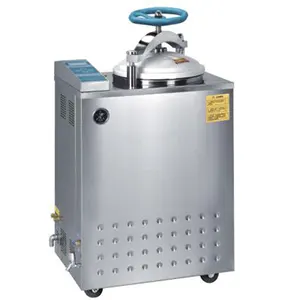 |
The autoclave (HINOTEK Range of Autoclave), or steam sterilizer, stands as a cornerstone of modern infection control and quality assurance, playing an indispensable role across the medical, research, and industrial sectors. Its enduring prominence is rooted in the unparalleled efficacy of steam sterilization—a process that leverages moist heat under pressure to achieve a complete kill of all microbial life, including the most resilient bacterial spores. This method is globally recognized for its reliability, speed, cost-efficiency, and environmental safety, making it the gold standard for sterilizing a vast array of materials and instruments.
This article provides a comprehensive, expert-level examination of autoclave technology. It begins by deconstructing the fundamental scientific principles that govern steam sterilization, exploring the critical interplay of time, temperature, pressure, and steam quality. It then traces the historical journey of the autoclave, from its 17th-century precursor to the sophisticated, automated systems of today, a development driven by advancements in microbiology and a relentless pursuit of safety.
A detailed analysis of the modern autoclave’s anatomy reveals the function of its key components, from the robust pressure chamber and efficiency-boosting jacket to the intelligent control systems and critical safety interlocks. The article categorizes the diverse types of autoclaves, clarifying the crucial distinctions between Class N, S, and B systems, and explains how to match the right technology to specific load requirements.
Furthermore, this guide surveys the extensive applications of autoclaves, illustrating their vital function in settings as varied as hospital surgical suites, pharmaceutical research laboratories, food production facilities, and veterinary clinics. To empower stakeholders, a strategic procurement guide offers a systematic framework for selecting the right autoclave, covering load analysis, capacity planning, utility assessment, and total cost of ownership. A comparative analysis positions steam sterilization against alternative methods like dry heat and ethylene oxide, clarifying the distinct advantages and specific use cases for each.
The objective of this document is to serve as a definitive resource for international distributors, hospital procurement teams, laboratory managers, and industrial users. By providing deep technical detail alongside strategic insights, this article equips decision-makers with the knowledge necessary to invest in, utilize, and manage autoclave technology effectively, ensuring safety, compliance, and operational excellence.
Chapter 1: The Foundation of Sterilization: The Autoclave Principle
1.1 The Core Mechanism: How Moist Heat, Pressure, and Time Achieve Sterility
Moist heat sterilization, executed within a device known as an autoclave, is the most dependable and widely used sterilization method in healthcare and research settings. The fundamental principle is to expose every surface of an item to direct contact with high-temperature, high-pressure steam for a specific duration. This process achieves sterility by irreversibly damaging the essential structures of microorganisms. The primary mechanism of microbial kill is the coagulation and denaturation of vital proteins and enzymes within the cells. The presence of moisture in the steam accelerates this process, causing the proteins to break down at a much lower temperature than would be required with dry heat, ultimately leading to cell death.
The success of this process hinges on the precise control and interplay of four critical parameters: steam, pressure, temperature, and time. These elements are not independent but form a synergistic system. Temperature and time are the direct agents of sterilization; a specific temperature must be maintained for a minimum duration to ensure a complete kill of all microbial life, including highly resistant bacterial spores. Common sterilization temperatures are 121°C (250°F) and 132°C (270°F). A typical cycle for general laboratory media or unwrapped goods at 121°C might last 15 to 20 minutes, whereas a cycle at 132°C can achieve sterility in as little as 3 to 4 minutes for certain loads. The 121°C standard has historical roots in the food canning industry, where research determined this temperature was necessary to reliably kill heat-resistant spores like Clostridium botulinum.
A common misconception is that pressure is the killing agent. In reality, pressure’s role is governed by fundamental gas laws, which state that the temperature of a gas (like steam) is directly proportional to its pressure in a sealed container. By increasing the pressure inside the autoclave’s chamber, the boiling point of water is elevated far beyond its normal 100°C at atmospheric pressure. For instance, to achieve a sterilization temperature of 121°C, a pressure of approximately 15 pounds per square inch (psi) or 103 kPa above atmospheric pressure is required. Therefore, pressure is the essential tool used to create the high-temperature steam environment necessary for rapid and effective sterilization.
1.2 The Physics of Sterilization: The Role of Saturated Steam and Energy Transfer
The effectiveness of an autoclave is determined not just by the temperature it reaches, but by the quality of the thermal energy it delivers. The ideal medium for this energy transfer is saturated steam, which is steam in equilibrium with heated water at the same pressure. For sterilization, the optimal quality is defined as a dryness fraction of at least 97%, meaning it consists of 97% steam and no more than 3% entrained liquid water.
The unique efficacy of saturated steam lies in its physics. It carries a tremendous amount of latent heat, known as the enthalpy of vaporization. This is the extra energy required to convert water from a liquid to a gas at the same temperature. For example, it takes significantly more energy to turn 1 kg of water at 100°C into 1 kg of steam at 100°C than it does to heat that same water from freezing to boiling. When this high-energy steam comes into contact with a cooler item inside the autoclave, it immediately condenses back into water. In this phase change, it transfers its massive payload of latent heat directly and rapidly to the item’s surface. This process heats the item far more efficiently and penetrates materials more effectively than dry air at the same temperature.
This mechanism underscores the absolute necessity of direct steam contact with every surface of the load. If air is trapped within the chamber or inside the items being sterilized, it forms insulating pockets. Air is a poor conductor of heat and prevents steam from reaching and condensing on surfaces, thereby blocking the efficient transfer of latent heat. This results in cold spots where the required temperature is never reached, leading to sterilization failure.
The quality of the steam is paramount. Two types of steam are problematic:
- Wet Steam: Steam with a dryness fraction below 97% contains excessive moisture. This reduces the amount of transferable energy, can leave loads overly wet after the cycle, and may fail to achieve the target temperature uniformly.
- Superheated Steam: This is steam heated to a temperature above its saturation point for a given pressure. It is essentially dry gas and does not condense readily upon contact with cooler surfaces. Instead, it transfers heat through the much slower process of convection, behaving like a dry-heat oven. It is inefficient and unsuitable for moist heat sterilization.
1.3 The Anatomy of a Sterilization Cycle
A modern autoclave cycle is a precisely controlled, automated process consisting of several distinct phases. Understanding these phases is key to appreciating how the principles of steam sterilization are put into practice.
- Purge/Conditioning Phase: The cycle begins by removing the air from the sealed chamber. In simpler gravity displacement autoclaves, steam is admitted, and because it is less dense than air, it fills the chamber from the top down, forcing the colder, heavier air out through a drain vent at the bottom. In more advanced pre-vacuum autoclaves, a vacuum pump actively removes the air, often in a series of pulses, to ensure no insulating air pockets remain, especially in complex or porous loads. This phase is critical for enabling direct steam contact.
- Sterilization/Exposure (Dwell) Phase: Once the air is removed, the chamber’s exhaust valve closes, allowing steam to enter and raise the internal pressure and temperature to the programmed setpoint (e.g., 121°C at 15 psi). The control system then maintains these conditions for the specified duration, known as the “dwell” or “holding” time. It is during this phase that the lethal action of the moist heat occurs, destroying all microbial life.
- Exhaust/Cooling Phase: After the dwell time is complete, the exhaust valve opens to release the steam and depressurize the chamber. The rate of this phase is cycle-dependent. For dry goods, glassware, and waste, a “fast exhaust” cycle is used where the chamber returns to atmospheric pressure quickly. For liquids, a “slow exhaust” or “liquid” cycle is essential. This cycle cools and depressurizes the chamber gradually to prevent the superheated liquids from boiling over violently, which could cause spills, loss of volume, and a safety hazard.
- Drying Phase: For many loads, particularly wrapped instrument sets or porous materials like textiles and animal bedding, a final drying phase is crucial. A dry load is essential to maintain sterility during storage, as moisture can create a pathway for recontamination. This phase typically involves drawing a deep post-vacuum on the chamber while the chamber jacket remains hot. The vacuum lowers the boiling point of water, causing any residual moisture on the load to flash into vapor, which is then removed by the vacuum system, leaving the items dry and ready for use or storage.
Chapter 2: A Legacy of Safety: The History and Evolution of the Autoclave
2.1 From Papin’s “Steam Digester” to Chamberland’s Invention
The conceptual origins of the autoclave date back to 1679 with the invention of the “steam digester” by French physicist Denis Papin. Working in London, Papin developed a sealed vessel that used steam pressure to raise the boiling point of water, creating a device we now know as the pressure cooker. His invention, complete with a crucial safety valve to prevent explosions, established the fundamental principle of leveraging pressure to achieve temperatures above 100°C. However, for two centuries, this technology was primarily applied to cooking and digesting bones, not sterilization.
The impetus for the modern autoclave came from a revolutionary shift in scientific understanding. The groundbreaking work of Louis Pasteur and Robert Koch in the latter half of the 19th century established the Germ Theory of Disease. This theory demonstrated that invisible microorganisms were the cause of infection, decay, and disease, creating an urgent and scientifically-backed need for a reliable method to eliminate them.
It was in this context that Charles Chamberland, a physicist, biologist, and close collaborator of Louis Pasteur, made his pivotal contribution. In 1879, while conducting research on sterilizing culture media for his work on germ theory, Chamberland designed a new version of Papin’s device specifically for medical and scientific applications. This machine, which he named the autoclave, quickly became an indispensable tool in bacteriology labs and surgical settings. Chamberland’s invention was not a random discovery but a purpose-built solution to the newly understood problem of microbial contamination, directly applying Pasteur’s theoretical work to practical hygiene and safety. The name itself, derived from the Greek auto- (self) and Latin clavis (key), describes a “self-locking” device, reflecting its inherent design for safely containing high pressure.
2.2 Milestones in Autoclave Technology: The Journey to Modern Automation
Following Chamberland’s invention, the adoption of steam sterilization grew rapidly. By the late 19th and early 20th centuries, autoclaves were becoming a standard feature in major hospitals across Europe and the United States, marking a new era in surgical safety.15 The initial design was the
gravity displacement model, which relied on the natural properties of steam to push out air. However, as medical instruments and laboratory needs became more complex, the technology evolved significantly.
Key milestones in the autoclave’s technological journey include:
- 1928: The development of more robust high-pressure steam sterilizers, allowing for higher temperatures and faster cycles.
- Mid-20th Century: The introduction of pre-vacuum systems. This was a critical advancement that used vacuum pumps to actively remove air before sterilization, dramatically improving steam penetration for porous and complex loads.
- Enhanced Safety Features: The inherent dangers of high-pressure vessels led to the integration of essential safety mechanisms. These include mechanical pressure relief valves as a final fail-safe, safety interlocks to prevent the door from being opened under pressure, and electronic controls for over-temperature and over-pressure protection.
- Modern Automation: The most significant recent evolution has been the shift from manual to fully automated systems. Modern autoclaves are equipped with microprocessor or PLC-based control systems that manage every phase of the cycle with high precision. They feature intuitive digital touch-screen interfaces, a library of pre-programmed and customizable cycles, and integrated data management systems. These data logging capabilities, which can record and print or digitally export all critical cycle parameters, are essential for process validation, quality assurance, and compliance with stringent regulatory standards in the medical and pharmaceutical industries.
This evolution from a simple pressure vessel to a sophisticated, automated instrument reflects the technology’s continuous response to the demands for greater efficacy, safety, and accountability in critical environments.
Chapter 3: Anatomy of a Modern Autoclave: Key Components and Their Functions
3.1 The Heart of the Machine: The Pressure Chamber and Jacket
 1.hand wheel 2.self locking device 3.pressure gauge 4.control board 5.circuit breaker 6.power cord 7.water tap 8.pulley 9.heater 10.probe 11.low water protector 12.container 13.inner pot 14.gasket 15.screw rot 16.cross arm |
 |
At the core of every autoclave is the pressure chamber, the robust vessel where items are placed for sterilization. This component is engineered to withstand extreme conditions of high pressure and temperature. To ensure durability and resistance to corrosion from steam and various contaminants, chambers are typically constructed from high-grade 304 stainless steel, which contains molybdenum for enhanced corrosion resistance. Some high-end autoclaves use 316L stainless steel.
Many hospital and laboratory-grade autoclaves are built with a jacket, an outer shell that surrounds the primary sterilization chamber. This jacket is not merely structural; it is a critical performance component with two primary functions. First, during the initial phase of a cycle, the jacket is filled with steam to pre-heat the chamber walls. This minimizes the amount of steam that condenses on the cold chamber walls when it is first introduced, leading to faster cycle times and drier loads. Second, a heated jacket is instrumental in the post-sterilization drying phase, as it provides radiant heat to help evaporate residual moisture from the load. The presence of a jacket is a hallmark of a high-performance autoclave designed for demanding applications.
It is important to note, some “jacketless” research-grade autoclaves generate steam directly within the chamber using internal heating elements.
3.2 The Powerhouse: Steam Generation and Vacuum Systems
The high-quality steam required for sterilization is produced by a steam generator, or boiler. The configuration of this component is a key differentiator in autoclave design and a critical consideration for installation. Many autoclaves feature an integrated steam generator, where electric heating elements boil purified water to create steam within the unit itself. This makes the autoclave self-contained and suitable for facilities without a central steam supply. Alternatively, some large-scale autoclaves are designed to connect to an external “house steam” source, which is a centralized boiler that provides steam to multiple points within a facility. This is common in large hospitals or industrial plants.
The vacuum system is an essential component of all pre-vacuum (Class B) autoclaves. Its function is to mechanically and forcefully remove air from the chamber and the load before the sterilization phase begins. This active air removal is what enables these autoclaves to reliably sterilize complex items like porous textiles and instruments with long, narrow lumens, where gravity displacement would be ineffective. Different types of vacuum pumps can be used, with liquid ring pumps being a common choice for high-performance units as they can achieve a very deep vacuum. However, these pumps have specific utility requirements, including a consistent water supply.
3.3 The Brains and Brawn: Control Systems, Safety Features, and Data Management
The operation of a modern autoclave is governed by a sophisticated control system, which serves as the machine’s brain. This is typically a microprocessor or a more robust Programmable Logic Controller (PLC) that automates the entire sterilization cycle. It precisely controls the opening and closing of valves, monitors feedback from sensors, and executes pre-programmed cycle parameters with high repeatability. Modern control systems are paired with user-friendly interfaces, often a color touch-screen display that provides real-time cycle information and allows for easy cycle selection and customization.
A network of sensors and gauges provides the critical data that the control system relies on. Temperature and pressure sensors located within the chamber and jacket continuously monitor conditions, ensuring that the cycle parameters meet the required specifications for sterility. This data is displayed for the operator and logged by the control system.
Given the inherent risks of working with high pressure and temperature, safety features are paramount and non-negotiable. Modern autoclaves are equipped with multiple layers of protection:
- Safety Valve: A purely mechanical valve designed to automatically vent steam if the chamber pressure exceeds the certified safety limit of the vessel. It acts as the ultimate fail-safe against over-pressurization.
- Door Lock/Interlock System: A crucial safety mechanism that physically prevents the door from being opened as long as the chamber is pressurized or the internal temperature is dangerously high.
- Electronic Safety Monitoring: The control system provides an additional layer of safety by monitoring for over-temperature and over-pressure conditions. If these parameters are exceeded, the system will automatically abort the cycle and alert the operator.
Finally, data management has become a standard feature, driven by the need for quality assurance and regulatory compliance. Most modern autoclaves include either a built-in printer or a digital data port (such as USB or Ethernet) to create a permanent record of each cycle. This log typically includes the cycle number, date, time, and a minute-by-minute record of temperature and pressure readings. This documentation is essential for process validation, traceability in case of a recall, and demonstrating compliance with standards set by bodies like the FDA and ISO.
Chapter 4: A Spectrum of Solutions: Types of Autoclaves and Sterilization Cycles
4.1 Classifying Autoclaves: Understanding Class N, S, and B Systems
Autoclaves are internationally categorized into three main classes-N, S, and B-based on their air removal mechanism and, consequently, the types of loads they are designed to sterilize. This classification system, defined by European standard EN 13060, provides a clear framework for matching the technology to the application’s risk level and complexity.28
Class N Autoclaves
- Mechanism: The “N” stands for “naked” or “non-wrapped.” Some autoclaves use the gravity displacement method. Steam is introduced into the chamber and, being less dense than the cool air, fills the space from the top. This passively forces the cooler, denser air out through an exhaust port at the bottom. An example of this is HINOTEK’s Horizontal Cylindrical Pressure Steam Sterilizer. Other models use a bottom-heating method. Heating elements located at the base of the chamber boil water to produce steam. This steam then fills the sterilizer from the bottom upwards, displacing the air. This method is used in most of HINOTEK’s Vertical Autoclaves , Portable Autoclaves, and Table Top Autoclaves.
- Suitable Loads: They are designed exclusively for sterilizing simple, solid, unwrapped items, such as basic laboratory glassware or flat surgical instruments where steam has unobstructed access to all surfaces.
- Limitations: Class N autoclaves are fundamentally unsuitable for sterilizing porous materials (e.g., textiles, gowns), items with hollow cavities (e.g., tubes, dental handpieces), or any wrapped instruments. In these cases, air can easily become trapped, forming insulating pockets that prevent steam from making direct contact, which inevitably leads to sterilization failure.
Class B Autoclaves
- Mechanism: The “B” stands for “big” or “broad,” signifying their universal capability. These are pre-vacuum autoclaves that employ a powerful vacuum pump to actively and forcefully remove air from the chamber before steam is introduced. The most effective systems use a fractionated pre-vacuum, where the air is removed in a series of alternating vacuum and steam pressure pulses. This process ensures the removal of air from even the most challenging loads.
- Suitable Loads: Class B autoclaves are considered universal sterilizers. They are capable of safely and effectively sterilizing all types of loads: solid, hollow, porous, and wrapped. This includes complex surgical kits in sealed pouches, textiles, dental handpieces, and other lumened instruments.
- Positioning: They represent the highest standard of steam sterilization technology. Class B autoclaves are the required standard for most medical, dental, and surgical applications where the sterilization of complex or wrapped instruments is necessary to ensure patient safety. Please visit this page to choose HINOTEK Class B Autoclaves.
Class S Autoclaves
- Mechanism: The “S” stands for “specified.” This is an intermediate class that falls between N and B. Their air removal method is more effective than simple gravity but does not meet the stringent performance of a Class B pre-vacuum system. They may use methods like a single vacuum stage or steam flushing and pulsing to improve air removal.
- Suitable Loads: Class S autoclaves are not universal. They are designed to sterilize specific loads as defined and validated by the manufacturer. They can often handle certain types of wrapped or simple hollow items but cannot be assumed to be suitable for all load types.
- Positioning: This class fills a niche for facilities whose needs exceed the capabilities of a Class N unit but do not require the universal performance—and associated cost—of a Class B autoclave. A thorough check of the manufacturer’s specifications is essential to ensure a Class S unit is appropriate for the intended loads. Please visit this page to choose HINOTEK Class S Autoclaves.
The decision between these classes is fundamentally one of risk management. While a Class N autoclave is sufficient for sterilizing a simple glass beaker in a low-risk setting, it is dangerously inadequate for a wrapped surgical kit intended for invasive procedures. The potential for trapped air in complex instruments poses a significant risk of infection. Therefore, healthcare standards and best practices increasingly mandate the use of Class B autoclaves for any critical application, establishing them as the default choice for ensuring the highest level of sterility assurance.
4.2 Table 1: Autoclave Class Comparison (N vs. S vs. B)
The following table provides a direct comparison of the key features, capabilities, and applications of Class N, S, and B autoclaves, serving as a practical guide for procurement and operational decision-making.
| Feature | Class N Autoclave | Class S Autoclave | Class B Autoclave |
| Air Removal Method | Gravity Displacement or direct heating | Active Air Removal (e.g., Steam Pulsing, Single Vacuum) | Fractionated Pre-Vacuum (Active) |
| Suitable Loads | Unwrapped, solid, non-porous instruments (e.g., scalpels, forceps, simple glassware) | Specific loads as defined by the manufacturer; may include some single-wrapped or simple hollow items | Universal: All load types including solid, porous (textiles), hollow (lumened instruments), and wrapped items |
| Unsuitable Loads | Porous, hollow, wrapped, or textile items | Not universal; cannot be used for complex hollow or heavily wrapped loads unless specified by the manufacturer 28 | None, when operated correctly. |
| Typical Applications | Basic research labs, tattoo/piercing studios, some beauty salons | Some dental clinics or smaller medical facilities with specific, defined sterilization needs | Hospitals (CSSD), surgical centers, dental clinics, pharmaceutical manufacturing, any critical care setting |
| Key Advantage | Lower cost, simpler design, fewer maintenance requirements | More capable than Class N; may be more cost-effective than Class B for specific applications | Highest level of sterility assurance, maximum versatility, and can sterilize any load type |
| Key Limitation | Very limited application; high risk of sterilization failure with improper loads | Not a universal sterilizer; load compatibility must be verified with the manufacturer | Higher initial cost, more complex machinery, requires more maintenance and specific utility connections |
Tips: How to Choose a Small Steam Sterilizer (Benchtop Autoclave)?
Tips: The Mechanics of Pre-Vacuum Air Removal in Autoclave Sterilization.
Tips: Common Autoclave Operational Errors and Sterilization Failure Prevention.
4.3 Configuration and Form Factor: Matching the Machine to the Workspace
Beyond their operational class, autoclaves are available in a variety of physical configurations to suit different workflows, space constraints, and capacity needs.
- Benchtop / Tabletop Autoclaves: These are compact, self-contained units designed to sit on a workbench. They are the most common type found in smaller settings like dental offices, veterinary clinics, private medical practices, and small research labs due to their small footprint and ease of installation.
- Vertical / Top-Loading Autoclaves: These units feature a vertical chamber with a top-opening lid. This design is highly space-efficient and is particularly well-suited for laboratories that need to sterilize tall items like fermenters, large flasks, and media bottles.
- Horizontal / Front-Loading Autoclaves: This is the most common configuration for medium-to-large capacity autoclaves. The horizontal chamber and front-loading door are ergonomic for loading trays and cassettes of instruments. They range in size from larger benchtop models to large, free-standing units.
- Pass-Thru / Double-Door Autoclaves: These are large, industrial-style autoclaves designed to be built into a wall that separates a non-sterile (“clean”) area from a sterile area. Items are loaded through the door on the non-sterile side and, after the cycle, are unloaded through the second door into the sterile environment. This design is critical for maintaining the integrity of sterile zones in high-risk environments like hospital Central Sterile Supply Departments (CSSDs) and pharmaceutical cleanrooms, as it prevents cross-contamination.
- Pit-Mounted Autoclaves: For extremely large and heavy loads, industrial autoclaves can be installed in a pit in the floor. This allows the floor of the chamber to be level with the facility floor, enabling operators to easily roll heavy carts directly into and out of the autoclave, improving ergonomics and safety.
Chapter 5: The Autoclave at Work: A Survey of Key Industry Applications
The fundamental utility of the autoclave—achieving absolute sterility—has made it an indispensable technology across a wide spectrum of industries. While the core principle remains the same, its application is tailored to meet different primary objectives, from ensuring patient safety in healthcare to guaranteeing product integrity in research and manufacturing.
5.1 Healthcare and Clinical Settings: Hospitals, Dental Practices, and Surgical Centers
In the medical field, the autoclave is the frontline defense against infection. Its primary goal is the prevention of Healthcare-Associated Infections (HAIs) by ensuring that all reusable medical devices are sterile before they contact a patient.
- Hospitals (CSSD/SPD): The Central Sterile Supply Department (or Sterile Processing Department) is the heart of a hospital’s infection control program. This department operates large-capacity, high-throughput autoclaves, often pass-thru models, to process a massive volume of surgical instrument kits, operating room textiles, and other reusable medical equipment. The reliability and validation of these autoclaves are critical for patient safety and hospital operations.13
- Dental Clinics: Dentistry presents a unique sterilization challenge due to the intricate design of instruments like high-speed handpieces, which have complex internal lumens. Trapped air and debris in these channels make them notoriously difficult to sterilize. For this reason, Class B pre-vacuum autoclaves are considered the standard of care, as their active vacuum-based air removal is essential for ensuring complete steam penetration and achieving sterility.26
- Ambulatory Surgery Centers (ASCs): These facilities have sterilization needs similar to hospitals but often operate on a smaller scale with a faster turnaround. Efficient and reliable medium-capacity Class B autoclaves are essential to reprocess surgical instruments quickly and safely between procedures, maintaining a smooth and safe workflow.13
5.2 Research and Development: Pharmaceutical, Biotechnology, and Academic Laboratories
In research environments, the autoclave’s primary goal is to protect the integrity of the work. Sterilization prevents unwanted microbial contamination from invalidating experimental results, compromising cell cultures, or contaminating pharmaceutical products.
- Pharmaceutical and Biotechnology Labs: Autoclaves are essential for sterilizing liquid culture media, glassware, bioreactor components, and various laboratory instruments. They are also used to decontaminate biological waste before disposal. In this highly regulated environment, process validation is paramount. Modern autoclaves with advanced data logging capabilities are crucial for meeting regulatory requirements from bodies like the U.S. Food and Drug Administration (FDA) and ensuring product purity and safety.
- Plant Tissue Culture Labs: The maintenance of a completely aseptic (sterile) environment is an absolute requirement for successfully growing plant cultures. Autoclaves are used to sterilize all growth media, water, tools, and containers to eliminate any bacteria or fungi that could otherwise quickly overrun and destroy the delicate plant tissues.
- General and Academic Research Labs: Autoclaves are workhorse instruments used for a broad range of daily tasks. This includes sterilizing common labware such as Pyrex glassware and autoclavable plastics (e.g., polypropylene), preparing sterile solutions, and, critically, decontaminating potentially infectious biological waste before it is discarded, ensuring the safety of lab personnel and the community.
5.3 Industrial and Manufacturing Use-Cases
Beyond healthcare and research, autoclaves are adapted for large-scale industrial processes where heat and pressure are required to ensure product safety, stability, or specific material properties.
- Food and Beverage Industry: In this sector, industrial autoclaves are often referred to as retorts. They are used to achieve commercial sterility for a wide range of products, including canned foods, ready-to-eat meals in pouches, and beverages. The process kills heat-resistant spoilage organisms and pathogens, ensuring food safety and providing a long, stable shelf life without refrigeration.33 Specialized sterilization cycles, such as the F0 cycle, are used to mathematically quantify the lethality of the heat treatment and ensure it meets food safety standards.
- Materials Science and Manufacturing: Industrial autoclaves are used for processes that go beyond sterilization. In the aerospace and high-performance automotive industries, large autoclaves are used to cure composite materials, such as carbon fiber, under intense heat and pressure to achieve maximum strength and durability. Another major industrial application is the vulcanization of rubber, a process that uses heat and pressure to improve the elasticity and strength of rubber for products like tires.
5.4 Specialized Applications: Veterinary Medicine
Veterinary practices rely on autoclaves for the same reason human medicine does: to prevent surgical site infections and ensure the safety of their animal patients. The primary difference is the scale of the equipment. A clinic treating small companion animals like cats and dogs may only need a small benchtop autoclave, as their surgical instruments are similar in size to those used in human medicine. However, a practice that treats large animals such as horses, cattle, or exotic zoo animals requires much larger, front-loading autoclaves to accommodate significantly larger instruments, like 16-inch equine dental endoscopes. While regulations for instrument wrapping and sterilization may be less stringent than in human healthcare, the core principles of infection control remain vital.
Tips: Autoclave Safety Guide: Standard Operation Procedures (SOP) & Maintenance Tips.
Tips: Autoclave Safety Valves: Working Principles & Essential Maintenance Guide.
Tips: Autoclave Troubleshooting Guide: Common Issues & Solutions | HINOTEK
Tips: Autoclave (High-Pressure Steam Sterilizer) Proper Operation & Daily Maintenance Guide | HINOTEK
Chapter 6: Strategic Procurement: A Comprehensive Guide to Selecting the Right Autoclave
Selecting the right autoclave is a significant capital investment that has long-term implications for a facility’s operational efficiency, safety, and compliance. A strategic procurement process moves beyond simply comparing prices to a holistic evaluation of needs and long-term value. This guide outlines a four-step process to ensure an informed and successful decision.
6.1 Step 1: Analyzing Your Load Requirements
The single most important factor in choosing an autoclave is the nature of the items you intend to sterilize. This analysis will directly determine the class of autoclave required.
- Material Compatibility: First, create an inventory of the materials to be processed. Most autoclaves are designed for stainless steel instruments, borosilicate glassware (e.g., Pyrex), and certain heat-resistant plastics like polypropylene. Equally important is to identify materials that must
never be autoclaved. These include flammable or volatile chemicals (e.g., solvents, gasoline), corrosive agents (e.g., bleach), radioactive materials, and plastics with low melting points (e.g., polyethylene, polystyrene). Autoclaving incompatible materials can result in equipment damage, toxic fumes, or even explosions. - Load Complexity and Type: The physical characteristics of the load dictate the required air removal technology.
- If your loads consist exclusively of unwrapped, solid, non-porous items, a Class N (gravity) autoclave may be sufficient.
- If your loads include porous materials (textiles, dressings, animal bedding), hollow items (instruments with lumens, tubes, dental handpieces), or wrapped instrument kits, a Class B (pre-vacuum) autoclave is essential. The active vacuum is the only way to guarantee complete air removal and steam penetration for these challenging loads.
- If you need to sterilize liquids (e.g., culture media, water), you must ensure the autoclave has a dedicated liquid cycle with a slow exhaust to prevent boil-over.
6.2 Step 2: Calculating Capacity, Throughput, and Space Constraints
Once load type is determined, the next step is to assess physical and operational requirements.
- Chamber Size (Capacity): The internal volume of the autoclave, measured in liters, must be adequate for your needs. Consider the dimensions of your largest single item and the volume of a typical sterilization load. Choosing a chamber that is too small will create a bottleneck in your workflow.
- Throughput: This refers to the volume of materials you need to sterilize per day. For high-throughput environments like a busy hospital or dental clinic, cycle time becomes a critical factor. A facility may choose one very large autoclave or, alternatively, multiple smaller, faster units. Using several smaller machines can provide redundancy and allow for staggered cycles, preventing backlogs and improving overall workflow efficiency.
- Physical Footprint and Installation Space: Carefully measure the available space for the unit. Consider not only the machine’s dimensions but also the required clearance for door swing, maintenance access, and utility connections. The choice between a benchtop, vertical, or free-standing horizontal model will often be dictated by the available space. For specialized applications, a pass-thru or pit-mounted installation may be required, which involves significant facility planning.
6.3 Step 3: Assessing Utility and Installation Infrastructure
An autoclave is not a plug-and-play device; it has significant utility requirements that must be met. A failure to assess this upfront can lead to costly delays and facility modifications.
- Steam Source: Determine if your facility has a central “house steam” supply that meets the quality and pressure requirements of the autoclave. If not, you must select a model with an integrated electric steam generator.
- Water Supply and Quality: Most autoclaves require a connection to a water line to feed the steam generator and, in the case of some vacuum pumps, to create the vacuum. Water quality is critical. The use of tap water with high mineral content can lead to the buildup of scale in the generator and chamber, causing damage and reducing efficiency. Most manufacturers recommend or require the use of purified water, such as distilled or reverse osmosis (RO) water, to protect the investment and ensure proper operation.
- Electrical Power and Drainage: Verify that the facility’s electrical supply matches the voltage and amperage requirements of the chosen model. Large autoclaves can have substantial power demands. A suitable floor drain is also typically required for condensate and waste water. It is essential to consult with the facility’s engineering or management team to confirm that all utility connections are available and adequate before the autoclave is delivered.
6.4 Step 4: Evaluating Advanced Features, Maintenance, and Total Cost of Ownership
The final step is to look beyond the basic specifications and consider the factors that affect long-term value and usability.
- Advanced Features: Modern autoclaves offer a range of features that can enhance efficiency and safety. These may include automatic door operation, advanced drying cycles for sensitive loads, sophisticated data logging for compliance, and network connectivity for remote monitoring and diagnostics. Evaluate which of these features provide a tangible benefit for your specific workflow.
- Maintenance and Service Support: An autoclave is a piece of equipment that requires regular preventative maintenance to function safely and reliably. Evaluate the manufacturer’s recommended maintenance schedule, the ease of performing daily checks (e.g., cleaning gaskets and filters), the availability of spare parts, and the accessibility of qualified service technicians in your region. A strong service and support network is critical for minimizing downtime.
- Total Cost of Ownership (TCO): A strategic evaluation must look beyond the initial purchase price. The TCO includes the upfront cost plus all associated long-term expenses: installation, utility consumption (water and electricity), consumables, preventative maintenance contracts, and potential repair costs. A more expensive model with high energy and water efficiency may have a lower TCO over its lifespan than a cheaper, less efficient model, making it a better long-term investment.
6.5 Table 2: Autoclave Selection Checklist
This checklist is a tool to systematize the procurement process. It allows for a structured, side-by-side comparison of different autoclave models based on a facility’s specific requirements.
| Category | Requirement | Model A Score (1-5) | Model B Score (1-5) | Notes |
| Section 1: Load Profile | ||||
| Primary Load Type Compatibility (Solid/Porous/Hollow/Liquid) | ||||
| Required Autoclave Class (N/S/B) | ||||
| Handles Wrapped Instruments | ||||
| Dedicated Liquid Cycle Available | ||||
| Section 2: Performance & Capacity | ||||
| Chamber Volume (Liters) – Meets Needs | ||||
| Cycle Time (for typical load) – Meets Throughput Needs | ||||
| Drying Cycle Effectiveness | ||||
| Section 3: Installation & Utilities | ||||
| Physical Dimensions Fit Available Space | ||||
| Steam Source Requirement (Integrated vs. House) | ||||
| Water Supply & Quality Requirement Met | ||||
| Electrical Requirement Met | ||||
| Section 4: Features & Compliance | ||||
| Control System & User Interface (Ease of Use) | ||||
| Data Logging & Traceability (Meets Regulatory Needs) | ||||
| Safety Features (Door Lock, Relief Valve, etc.) | ||||
| Section 5: Financials & Support | ||||
| Initial Purchase Price | ||||
| Estimated Installation Cost | ||||
| Estimated Annual Utility & Maintenance Cost (TCO) | ||||
| Manufacturer Warranty & Service Support Availability | ||||
| Total Score |
Scoring: 1 = Does not meet requirement, 5 = Exceeds requirement
Chapter 7: The Competitive Landscape: Positioning Steam Sterilization
While steam sterilization is the most prevalent and trusted method, it is not the only option available. Understanding its position relative to alternatives like dry heat and low-temperature chemical sterilization is crucial for making an informed choice. The selection of a sterilization method is a trade-off between speed, material compatibility, cost, and safety.
7.1 Steam Autoclaving vs. Hot Air Sterilizer
- Mechanism and Efficiency: The fundamental difference lies in the heat transfer medium. Steam autoclaving uses moist heat, while Hot Air Sterilizer use hot air. As explained by the physics of latent heat, steam is a vastly more efficient and rapid method of heat transfer than air. Consequently, steam autoclaving achieves sterilization at lower temperatures (e.g., 121°C) and in much shorter times (15-30 minutes), whereas dry heat requires significantly higher temperatures (160-180°C) and longer exposure times (1-2 hours or more) to achieve the same level of sterility.
- Material Compatibility: This is the primary driver for choosing one method over the other. Steam’s moisture content makes it unsuitable for sterilizing items that are sensitive to water, such as powders, oils, or certain electronic components. Dry heat is the preferred method for these materials. Furthermore, the moisture in steam can promote corrosion and dull the sharp edges of carbon steel instruments, whereas dry heat does not. Conversely, the very high temperatures required for dry heat sterilization can damage many plastics, rubbers, and other heat-labile materials that can be safely processed in a steam autoclave.
- Cost and Maintenance: Dry heat sterilizers are generally simpler machines. They lack the complex plumbing, pressure systems, and steam generators of an autoclave, making them less expensive to purchase and easier to maintain. However, for high-volume facilities, the superior speed and throughput of an autoclave often offset its higher initial and maintenance costs, providing better overall operational efficiency.
7.2 Steam Autoclaving vs. Low-Temperature Chemical Methods (Ethylene Oxide – EtO)
- Mechanism and Application: This comparison is between a thermal process (steam) and a chemical one. Ethylene Oxide (EtO) is an alkylating gas that destroys microorganisms by disrupting their DNA and proteins. Its primary and critical application is for the sterilization of devices that are sensitive to both heat and moisture and would be destroyed in an autoclave. This includes a vast range of modern medical devices, such as complex endoscopes, electronics, and many types of plastics. It is estimated that EtO is used to sterilize approximately 50% of all sterile medical devices in the United States, highlighting its importance for materials incompatible with steam.
- Cycle Time and Turnaround: While the actual EtO gas exposure phase can be a few hours, the total process time is extremely long. This is because every EtO cycle must be followed by a lengthy aeration period, which can last from 8-12 hours to several days. This aeration is mandatory to allow the toxic residual EtO gas absorbed by the materials to dissipate to safe levels. This results in a total turnaround time that is drastically longer than that of an autoclave.
- Safety, Environmental, and Regulatory Concerns: This is the most significant disadvantage of EtO. Steam sterilization uses only water and electricity, producing no toxic byproducts. In stark contrast, EtO is a highly hazardous substance. It is a known human carcinogen, mutagenic, and explosive. Its use requires an extensive and costly safety infrastructure, including specialized gas-tight chambers, separate ventilation systems, continuous environmental monitoring, and rigorous staff training and personal protective equipment. Due to these significant health, safety, and environmental concerns, EtO sterilization is primarily confined to large-scale industrial facilities and is not a practical or safe on-site alternative to autoclaving in most hospitals or clinics.
7.3 Table 3: Sterilization Method Comparison
This table provides a strategic, high-level comparison of the three primary sterilization technologies, highlighting their core trade-offs.
| Parameter | Steam Autoclaving | Hot Air Sterilizer | Ethylene Oxide (EtO) Gas |
| Principle | Moist heat under pressure | High-temperature dry air | Low-temperature chemical (alkylating gas) |
| Typical Cycle Time | Fast (15-60 minutes total) | Very Slow (1-3 hours, plus cooling) | Extremely Slow Turnaround (Cycle + mandatory aeration can be >12 hours) |
| Material Compatibility | Excellent for heat/moisture-stable items (stainless steel, glassware, most surgical instruments, liquids). Unsuitable for heat/moisture-sensitive items. | Good for powders, oils, and metals prone to rust (e.g., carbon steel). Unsuitable for most plastics, rubbers, and liquids. | Excellent for heat- and moisture-sensitive items (plastics, electronics, complex scopes). High material compatibility. |
| Key Advantages | Fast, highly effective, non-toxic, low operational cost, environmentally friendly. | Low equipment cost, simple maintenance, does not corrode metals. | Sterilizes items that cannot be autoclaved; excellent penetration. |
| Key Disadvantages | Damages heat- and moisture-sensitive materials. 60 | Very long cycle times; high temperatures damage many materials. | Extremely long turnaround time; gas is highly toxic, carcinogenic, and flammable; requires extensive safety infrastructure and regulatory compliance. |
| Typical Cost | Moderate initial cost; low per-cycle operational cost. | Low initial cost; moderate operational cost (electricity). | High initial and infrastructure cost; high per-cycle and compliance cost. |
| Safety & Environmental | Very safe; uses only water and electricity; no toxic residues. | Safe operation (no pressure); no toxic chemicals. | Significant health and safety risks for operators; toxic, carcinogenic gas; environmental emissions are highly regulated. |
Chapter 8: Conclusion: Future Trends and Final Recommendations
8.1 The Future of Autoclaving: Automation, Sustainability, and Smart Technology
The field of sterilization is continuously evolving, driven by the demands for greater efficiency, improved safety, and reduced environmental impact. While steam autoclaving remains the bedrock technology, its future will be shaped by several key trends.
- Automation and Integration: In high-volume settings like large hospitals and industrial facilities, the trend is moving towards fully automated sterilization workflows. This includes robotic systems for loading and unloading autoclaves, automated transport systems, and seamless integration with washer-disinfectors and packaging systems. These advancements reduce manual labor, minimize human error, and increase overall throughput and consistency.
- Sustainability: There is a growing focus on the environmental footprint of medical and laboratory equipment. In response, autoclave manufacturers are engineering new systems with enhanced sustainability features. This includes “smart” water-saving systems that recycle cooling water, improved insulation to reduce heat loss, and energy-saving modes that lower power consumption during idle periods, reducing the total cost of ownership while meeting green initiatives.
- Smart Technology and Data Intelligence: The integration of smart technology is transforming autoclaves from standalone machines into connected, intelligent assets. Future systems will increasingly feature cloud-based data logging for effortless compliance and record-keeping, remote diagnostic capabilities that allow technicians to troubleshoot issues without a site visit, and the use of Artificial Intelligence (AI) and machine learning to analyze cycle data, predict potential failures before they occur, and optimize cycle parameters for specific loads.
- Alternative and Hybrid Technologies: While steam is dominant, research continues into alternative low-temperature sterilization methods to address the growing number of complex, heat-sensitive medical devices. Technologies like Vaporized Hydrogen Peroxide (VHP), ozone, and superheated dry steam are being refined to offer faster and safer alternatives to EtO. Hybrid systems that combine steam with other agents are also being explored to tackle the most challenging sterilization tasks.
8.2 Major Brands and Competitors
Key players in the autoclave market include Tuttnauer (Israel), STERIS (USA), Getinge (Sweden), Midmark/AMSCO (USA), Systec (Germany), HINOTEK (China) and others. Each offers a range of models:
-
Steris and Getinge are known for large hospital/LVP autoclaves and cleanroom models.
-
Tuttnauer specializes in lab, dental, and small-hospital autoclaves.
-
Midmark/AMSCO provides medical sterilizers and compact units for clinics.
-
Systec produces high-end lab sterilizers (incl. sophisticated benchtop models).
- HINOTEK: Offering an exceptional combination of cost-effectiveness and reliable performance, Hinotek’s Autoclaves are the ideal choice for a wide range of applications. Vigorously field-proven and validated on a massive scale within the demanding Chinese market, these instruments deliver the consistent quality essential for general factories, foundational research labs, hospitals, and dental clinics
In summary, autoclaves remain the gold standard for sterilizing heat-tolerant loads in labs, clinics, and industry. Their proven effectiveness, combined with modern automation and compliance with safety standards, makes them indispensable for infection control and process quality.
8.3 Synthesizing Your Decision: Key Takeaways for Buyers and Distributors
The comprehensive analysis presented in this article leads to several key conclusions for stakeholders involved in the procurement and distribution of autoclaves.
First, steam sterilization remains the undisputed gold standard for the vast majority of reusable device and media sterilization applications. Its combination of unparalleled efficacy, rapid cycle times, low operational cost, and exceptional safety profile makes it the most logical and valuable choice for any heat- and moisture-stable load.
Second, the most critical decision in the procurement process is the thorough analysis of the intended sterilization loads. This analysis directly dictates the required autoclave class. For any application involving porous, hollow, or wrapped items—which includes virtually all critical medical and dental settings—a Class B pre-vacuum autoclave is not just an option, but a necessity to ensure the highest level of sterility assurance and mitigate patient risk.
Third, prospective buyers must adopt a Total Cost of Ownership (TCO) perspective. The initial purchase price is only one component of the overall investment. A comprehensive financial evaluation must include the costs of installation, ongoing utility consumption, preventative maintenance, and service support. An energy-efficient model with robust construction and strong service backing may represent a far better long-term value than a cheaper, less reliable alternative.
Finally, for distributors and commercial partners, success in the global market requires a nuanced understanding of these factors. The ability to guide a customer through a systematic needs analysis, articulate the risk-management benefits of a Class B system, and demonstrate long-term value through a TCO model is essential. As global standards for healthcare and research continue to rise, the demand for high-performance, validated, and reliable sterilization systems will only grow. Positioning high-quality Class B autoclaves as the standard for critical applications is the most strategic path forward for growth and for contributing to a safer, more effective global health and research ecosystem.
If you are ready to find the right autoclave for your laboratory, please browse our complete product range: Autoclave
This guide is maintained by HINOTEK’s core technical team, comprised of senior engineers and application scientists with over two decades of hands-on experience in fields such as microscopy, centrifugation, and spectrophotometry. We are committed to ensuring that every piece of information in this guide—from instrument principles and technical specifications to laboratory procurement advice—maintains the highest level of accuracy and timeliness.
This content is regularly reviewed and updated to reflect the latest industry standards and technological advancements. We value feedback from the global scientific community. Should you have any questions or suggestions, or wish to discuss any technical details, please do not hesitate to contact our expert team at [email protected].