
 |
The Mechanics of Pre-Vacuum Air Removal in Autoclave Sterilization
Introduction
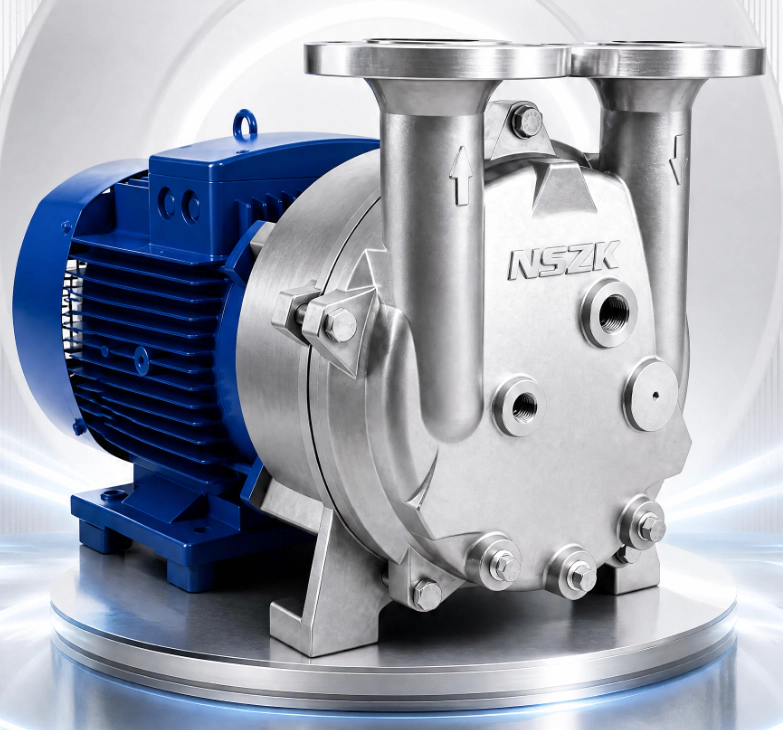
In Central Sterile Supply Departments (CSSD) and medical laboratories, high-temperature steam sterilizers rely on precise thermal and physical parameters to achieve microbial inactivation. While steam generation provides the thermal agent, the removal of ambient air within the chamber determines sterilization efficacy. The vacuum pump operates as the primary mechanical component responsible for air evacuation and post-sterilization drying, acting as the critical element that prevents cycle failure.
The Crucial Role of Mechanical Evacuation
Sterilization failure often occurs when steam fails to penetrate complex geometries, such as narrow lumens, porous loads, or long surgical channels. If ambient air remains inside the chamber, it forms an insulation barrier. Steam cannot displace this air naturally because air is denser than saturated steam at identical pressures. This stratification prevents direct contact between the dry saturated steam and the surface of the instrument.
The vacuum pump executes two critical phases during a standard sterilization cycle:
- Pre-Vacuum Air Removal: The pump evacuates the air from the chamber prior to steam injection. This lowers the inner pressure to a predetermined sub-atmospheric level, creating an unobstructed path for the steam to penetrate the deepest recesses of the load.
- Post-Vacuum Drying: Following the sterilization exposure phase, the pump removes the remaining moisture and steam. Rapid evacuation causes the residual water on the instruments to boil at low temperatures, ensuring dry loads and preventing wet pack complications.
Working Mechanism of Liquid Ring Vacuum Pumps
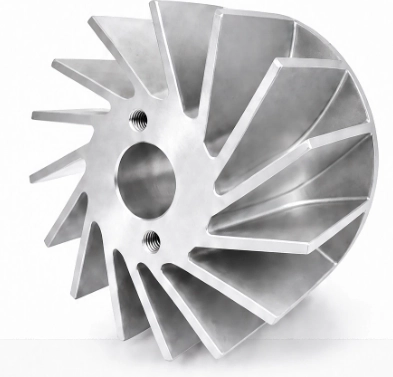 |
Medical and industrial autoclaves frequently utilize liquid ring vacuum pumps due to their isothermal compression characteristics and durability when handling wet gases. The mechanical operation relies on an eccentric impeller design utilizing a liquid sealant, typically water.
The operational sequence follows definite physical phases:
- The multi-blade impeller is mounted eccentrically relative to the cylindrical pump casing. As the motor drives the shaft, the internal seal liquid is thrown outward by centrifugal force.
- This acceleration forms a concentric liquid ring against the inner wall of the casing. Because the impeller is eccentric, the space between the blades and the liquid ring varies continuously during rotation.
- During the expansion phase, the cell volume increases, generating a partial vacuum relative to the inlet pressure. This pressure differential draws air from the autoclave chamber into the pump cell.
- As rotation continues past the neutral axis, the cell volume between the blades and the liquid ring decreases. This compresses the trapped air until it exceeds atmospheric pressure, discharging the gas through the outlet port alongside a portion of the seal liquid.
In this system, water fulfills three functions: it acts as the fluid piston to compress the gas, absorbs the heat generated during compression, and seals the internal clearances between the impeller and the casing.
Diagnostic Protocol for Operational Maintenance
Regular technical monitoring prevents unexpected downtime and ensures validation compliance. Technicians should monitor equipment behavior daily across four metrics:
1. Acoustic Diagnostics
- Baseline Performance: A functional liquid ring pump emits a continuous, low-frequency hum combined with the steady sound of moving water.
- Cavitation (High-Pitch Metallic Noise): This occurs when the operational water temperature is too high or the inlet pressure drops below the vapor pressure of the seal liquid. Vapor bubbles form and collapse violently, pitting the impeller blades.
- Mechanical Impact (Knocking Sounds): This indicates worn internal bearings or foreign particulate matter inside the pump casing.
- Severe Vibration: Unbalanced impellers or misaligned shafts require immediate shutdown to prevent structural damage.
2. Quantitative Metrics
- Evacuation Duration: An increase in the time required to reach the target vacuum depth indicates a reduction in pump efficiency. For instance, if a standard cycle takes T_1 seconds but increases to T_2 \ge T_1 + 45 seconds under identical load conditions, the system requires inspection.
- Ultimate Vacuum Pressure: The pump must hit its specified absolute pressure limit, represented by the relationship: P_{actual} \le P_{target}. Failure to reach this threshold indicates system leakage or internal wear.
- Moisture Retention Rates: An uptick in wet pack rejections at the end of the cycle indicates inadequate post-vacuum performance.
3. Physical Inspections
Technicians must safely check the surface temperature of the pump housing during operation. Elevated operational heat points toward friction, bearing wear, or insufficient cooling water supply.
4. Documented Observations
Every deviance—such as an evacuation delay or physical vibration—must be logged in the maintenance database. Consistent recording provides the baseline data necessary for biomedical engineers to diagnose complex system faults.
Preventative Maintenance Routine
To extend the operational life of liquid ring vacuum pumps, facilities must implement a rigorous maintenance schedule tailored to fluid dynamics requirements.
Water Quality Parameters
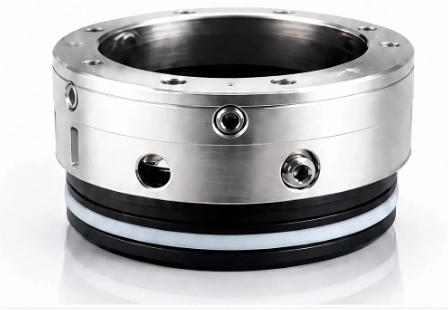
Liquid ring pumps require soft or demineralized water. Untreated tap water contains dissolved minerals such as calcium carbonate (CaCO_3). High operational temperatures cause these minerals to precipitate, forming scale on the impeller blades and internal casing walls. This scale restricts clearances, increases friction, and can cause the motor to seize.
System Controls
Modern sterilization systems use automated solenoids and level sensors to regulate water volume. Technicians must verify that supply lines maintain consistent input pressure and that water filtration screens are clear of debris.
Thermal Regulation
Cooling systems must maintain the water temperature below the point where vaporization degrades the vacuum. If seal water temperatures rise significantly, the fluid transitions to a gas phase inside the low-pressure zones, causing a complete drop in pumping capacity.
Scheduled Maintenance Frequency
- Daily: Verify acoustic stability, check for external leaks, and monitor cycle timing logs.
- Monthly: Inspect and clean the inlet water filters to ensure unrestricted fluid flow.
- Annually: Schedule a complete inspection by a qualified biomedical technician, including bearing lubrication, clearance verification, and scale removal.
Technical Troubleshooting (Q&A)
 |
Conclusion
The liquid ring vacuum pump is a fundamental component of pre-vacuum steam sterilizers. Its capacity to completely evacuate air determines whether dry saturated steam can contact and sterilize every surface of the load. By strictly enforcing water quality standards, monitoring performance metrics, and maintaining a proactive maintenance schedule, facilities ensure both equipment longevity and patient safety through verified sterilization cycles.
For a detailed guide on autoclave technology, including operational principles, key applications, and procurement advice, please explore our comprehensive resource: [What is Autoclave-Principles, Applications, and Procurement].
Visit HINOTEK Class B Autoclave .