
Introduction: The Unseen Workhorse of the Modern Laboratory
|
|

In the landscape of modern science, from pioneering pharmaceutical development to critical environmental analysis, certain instruments operate as the foundational bedrock of discovery. Among these, the peristaltic pump stands out as an essential, yet often overlooked, tool. Also known as a roller pump or hose pump, it is a type of positive displacement pump engineered for the precise, contamination-free transfer of liquids. Its utility in sterile, sensitive, and high-purity applications hinges on one elegant and powerful principle: the fluid being transferred is entirely contained within a flexible, often disposable, tube, never making contact with the pump’s mechanical components.
This complete isolation of the fluid path is the cornerstone of its value proposition, eliminating risks of cross-contamination and ensuring the absolute purity of the medium. This guide serves as a comprehensive resource for researchers, laboratory managers, and procurement specialists. It aims to provide a deep understanding of the pump’s mechanics, a balanced assessment of its capabilities, and a practical framework for selecting, operating, and maintaining the ideal peristaltic pump for any given scientific challenge.
Section 1: The Mechanics of Peristalsis: How Peristaltic Pumps Work
The operational principle of a peristaltic pump is ingeniously simple, drawing its inspiration from a fundamental biological process. Understanding this mechanism is key to appreciating both its profound advantages and its inherent limitations.
The Biological Analogy
The term “peristalsis” describes the successive waves of involuntary muscular contraction that propel contents through hollow structures in the body, such as the movement of food through the digestive tract. A mechanical peristaltic pump masterfully mimics this action to achieve a gentle yet effective method of fluid transport.
Component Breakdown
|
|

Every peristaltic pump, regardless of its complexity, is built around four essential components, each playing a critical role in its function:
-
- The Drive (Motor): This is the power source of the pump. The electric motor turns the rotor, and its speed, measured in revolutions per minute (RPM), directly dictates the fluid’s flow rate. The precision of the drive’s speed control is intrinsically linked to the pump’s overall accuracy and repeatability.
|
|
|
|
-
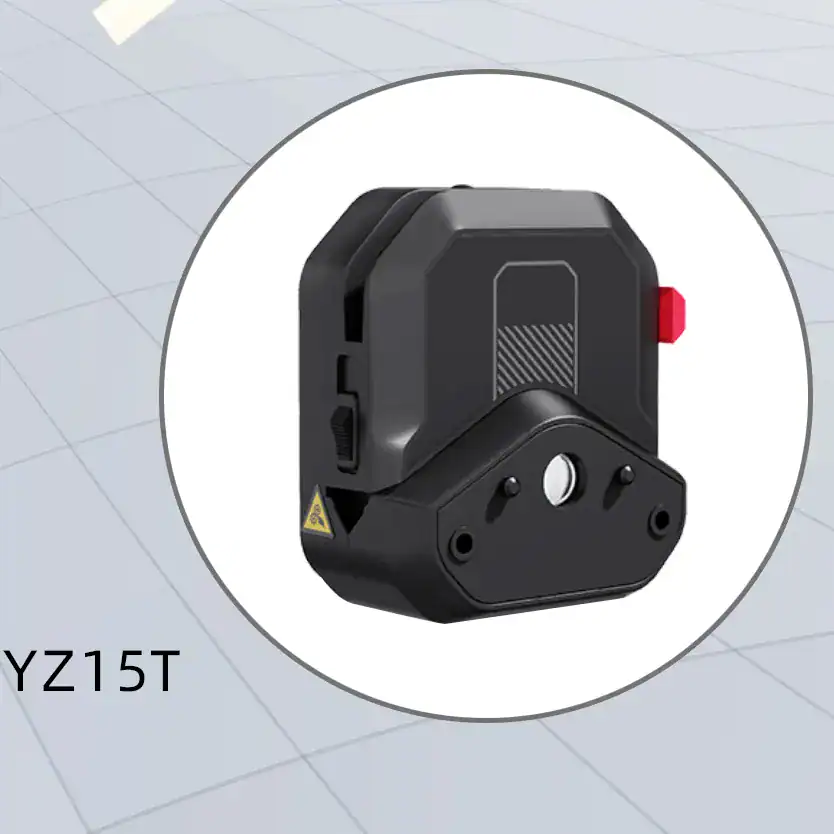
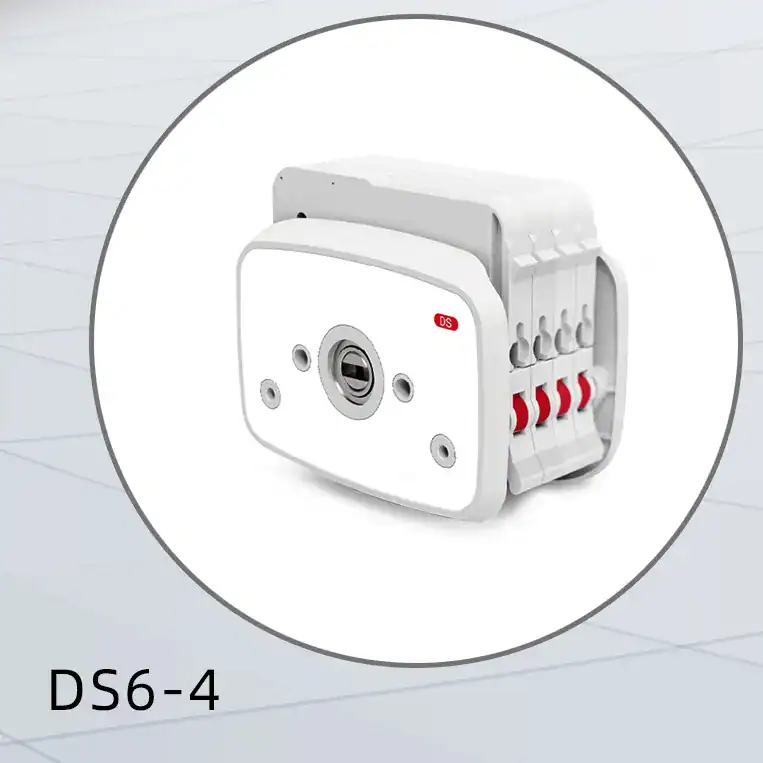
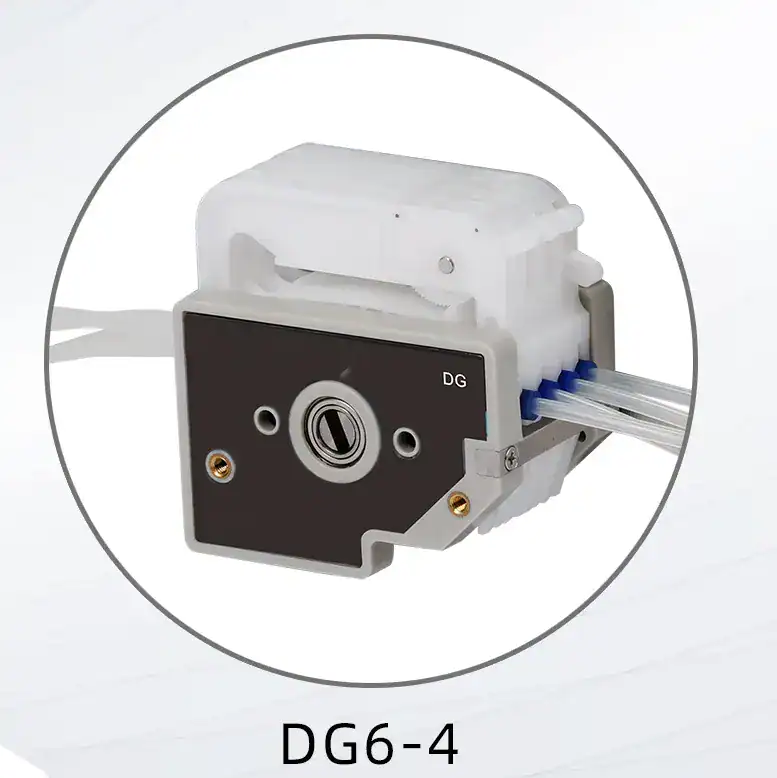
- The Pump Head: This is the casing that houses the rotating rollers and provides a curved track against which the tubing is compressed. Modern laboratory pumps often feature interchangeable pump heads, a design that enhances flexibility by allowing a single drive to be adapted for different tubing sizes, flow rates, and multi-channel configurations.
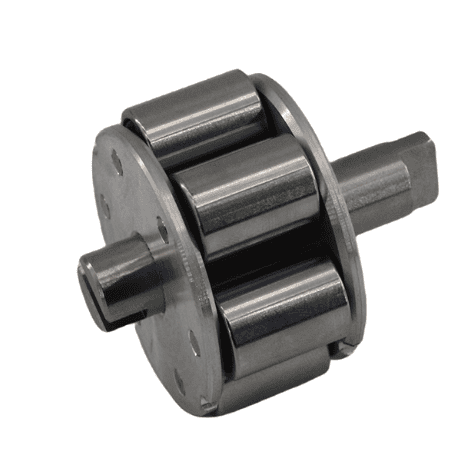
- The Rotor with Rollers or Shoes: Housed within the pump head, the rotor is the component that translates the motor’s rotation into pumping action. As it turns, a series of rollers (or, in some high-pressure industrial designs, “shoes”) progressively squeeze the flexible tubing against the inner wall of the pump head.
|
|
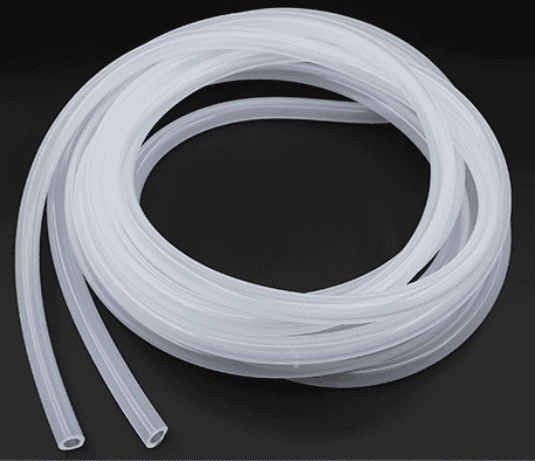
- The Flexible Tubing: Often considered the heart of the system, the tubing is the sole component that comes into contact with the fluid. It acts as both the fluid path and the pumping element, making its material properties and dimensions the most critical factors in the pump’s performance.
The Pumping Cycle Explained (Step-by-Step)
|
|
|
|
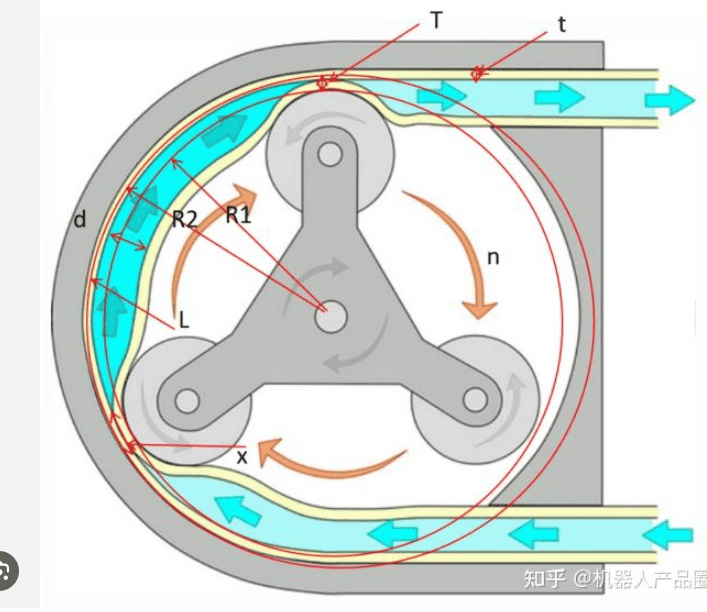
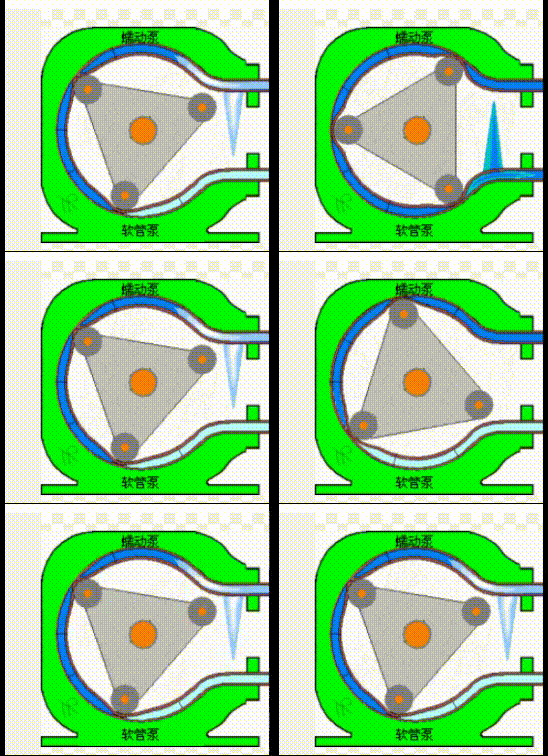
The process of fluid transfer is a continuous, cyclical motion:
- As the rotor begins to turn, the first roller comes into contact with the tubing, compressing it completely against the track. This compression creates a perfect seal, or “occlusion,” which effectively separates the fluid on the suction side from the fluid on the discharge side.
- With the continued rotation of the rotor, this sealed pocket or “pillow” of fluid trapped between two rollers is pushed forward along the tubing path, toward the pump outlet.
- Simultaneously, as the roller moves on and the tubing behind it relaxes and returns to its original shape, a vacuum is created. This vacuum draws more fluid into the pump from the inlet, a characteristic that makes peristaltic pumps self-priming.
- Because at least one roller is always compressing the tube at any given moment, this complete closure (occlusion) prevents any fluid from flowing backward. This positive displacement action eliminates the need for mechanical check valves, which are common points of failure and contamination in other pump types.
Defining “Occlusion”: The Key to Positive Displacement
The term occlusion refers to the degree to which the tubing is squeezed shut by the rollers. It is typically expressed as a percentage of the tubing wall thickness. It is this complete closure that gives the pump its reliable positive displacement action, ensuring a predictable volume of fluid is moved with each revolution. The degree of occlusion represents a critical trade-off: tighter occlusion allows the pump to generate higher pressure and guarantees no backflow, but it also increases friction, mechanical stress on the tubing, and heat generation, which ultimately reduces the tubing’s operational lifespan. Some advanced pump heads feature adjustable occlusion, allowing the user to fine-tune this balance for optimal performance and longevity in their specific application.
The fundamental operating principle—the repeated compression and relaxation of an elastomeric tube—is a double-edged sword. This mechanism is precisely what guarantees the fluid remains sterile and untouched by the pump’s moving parts, which is its single greatest advantage. However, this very same mechanical action is what inevitably causes the tubing to fatigue, wear out, and eventually require replacement, representing its primary operational cost and maintenance requirement. Furthermore, the delivery of fluid in discrete “pillows” between rollers is the direct cause of pulsating flow, a key disadvantage in certain applications. Therefore, understanding this central trade-off is the most critical step for any potential user. The selection process is not about finding a flawless pump, but about choosing the set of compromises that is most acceptable for a specific scientific or industrial need.
Section 2: A Balanced Assessment: Advantages and Disadvantages of Peristaltic Pumps
For laboratory managers and procurement specialists, a clear-eyed evaluation of a technology’s strengths and weaknesses is essential for making informed purchasing decisions. Peristaltic pumps offer a unique set of benefits but also come with specific limitations that must be considered.
The Advantages: Why Choose a Peristaltic Pump?
- Unmatched Purity and Sterility: The defining feature is the isolated fluid path. Since the fluid only contacts the inner bore of the tubing, the risk of contamination from the pump is eliminated. The tubing can be easily sterilized via autoclaving or ethylene oxide (EtO), or replaced with a new, pre-sterilized assembly for each run. This is a non-negotiable requirement in applications like cell culture, biopharmaceutical manufacturing, and medical fluid delivery.
- Gentle Handling of Shear-Sensitive Fluids: The pumping action is exceptionally gentle, with low shear stress. This makes peristaltic pumps the ideal choice for transferring delicate biological materials like live mammalian cells, proteins, enzymes, and whole blood without damaging their structure or viability.
- Superb Versatility: A single peristaltic pump can handle an astonishingly wide range of fluids that would clog, corrode, or destroy other pump types. This includes highly viscous liquids (lotions, media), abrasive slurries (lime milk, wastewater), and aggressive chemicals. The pump’s compatibility is determined almost entirely by the selection of the appropriate tubing material.
- Precision and Repeatability: As positive displacement pumps, they deliver a fixed volume of fluid per revolution. This means the flow rate is directly and linearly proportional to the motor’s speed, which simplifies control and calibration. This makes them excellent for accurate metering, dosing, and dispensing applications where repeatability is crucial.
- Low Maintenance and Ease of Use: Maintenance is remarkably simple. The tubing is the only wetted part and the only routine wear item. It can be replaced in minutes without special tools, significantly minimizing downtime and labor costs compared to pumps that require complex cleaning and the replacement of seals, valves, or diaphragms.
- Self-Priming and Dry-Running: Peristaltic pumps can create a powerful vacuum, allowing them to lift fluids from a source below the pump (a high suction lift of up to 9.8 m) without needing to be manually primed. They can also run dry indefinitely without suffering mechanical damage, a feature that adds to their robustness and protects them from operator error.
- Reversible Flow: The direction of fluid flow can be instantly reversed simply by changing the direction of the motor’s rotation. This is highly useful for purging or cleaning lines, or for emptying and filling the same container with a single tubing setup.
The Disadvantages: Critical Limitations to Consider
- Pulsating Flow: The nature of the peristaltic mechanism, which moves fluid in discrete “pillows,” results in a pulsating or non-continuous flow. This can be a significant drawback in applications that demand a perfectly smooth, steady stream, such as feeding sensitive analytical instruments like HPLC systems or flow cytometers. This effect can be mitigated by using pump heads with more rollers (which create smaller, more frequent pillows) or by adding pulsation dampeners to the fluid line, though these add complexity and cost.
- Tubing Degradation and Lifespan: The tubing is a consumable component. The constant mechanical stress of compression and relaxation causes it to fatigue and degrade over time. This wear can lead to a gradual decrease in flow rate accuracy as the tubing loses its elasticity. Consequently, tubing must be replaced on a regular schedule, representing the primary ongoing operational cost of the pump.
- Risk of Rupture and Leakage: If tubing is used beyond its rated service life, is chemically incompatible with the fluid, or is subjected to excessive pressure, it can rupture. A rupture can lead to leakage of the pumped fluid, which poses a serious safety hazard if the material is corrosive, toxic, or biologically hazardous. It can also result in the loss of valuable products and damage to the pump itself.
- Limited Pressure and Temperature Capabilities: The maximum operating pressure and temperature range of a peristaltic pump system are defined by the physical limitations of the flexible tubing. Generally, these capabilities are lower than those of other pump types like diaphragm, gear, or piston pumps. This makes them less suitable for high-pressure applications.
- Flow Rate Limitations: While peristaltic pumps offer a wide range of flow rates suitable for most laboratory and pilot-scale processes, they are typically not the best choice for very high-volume industrial applications where centrifugal pumps are more efficient and cost-effective.
Section 3: The Heart of the System: A Definitive Guide to Peristaltic Pump Tubing
The selection of tubing is the single most important decision when implementing a peristaltic pump system. This choice dictates nearly every critical performance parameter, including chemical compatibility, flow rate accuracy, pressure handling, and operational lifespan. An incorrect choice can lead to inaccurate results, process failure, and even hazardous leaks.
Key Selection Criteria
A systematic approach to tubing selection involves evaluating several key criteria against the demands of the application:
- Chemical Compatibility: The tubing material must be chemically inert to the fluid being pumped to prevent swelling, cracking, or degradation. It is crucial to consult chemical compatibility charts provided by the tubing manufacturer, as these are specifically tailored to the stresses of pumping. For unlisted chemicals, a simple 24-48 hour immersion test can provide a good indication of compatibility.
- Size (Inner Diameter & Wall Thickness): These two dimensions are critical. The inner diameter (ID) is a primary factor in determining the flow rate at a given pump speed—a larger ID yields a higher flow rate. The wall thickness is equally important; it must be precisely matched to the pump head’s geometry to ensure proper occlusion. Tubing with a wall that is too thin will not be fully compressed, leading to poor suction and backflow, while a wall that is too thick will cause excessive strain on the motor and drastically reduce tubing life.
- Hardness (Durometer): Measured on the Shore A scale, hardness affects both tubing life and pressure capability. Softer tubing (lower durometer) generally provides longer service life and requires less force to occlude. Harder tubing (higher durometer) offers better pressure resistance and suction lift capabilities and is less prone to kinking. A Shore A hardness between 50 and 65 is typical for most peristaltic pump applications.
- Durability and Lifespan: Different elastomeric materials exhibit vastly different resilience to the repeated compression and relaxation cycles of pumping. Materials like Norprene® offer exceptionally long life, while others like Viton™ may have a shorter mechanical life despite their superior chemical resistance. This factor directly impacts maintenance schedules and the total cost of ownership.
- Temperature and Pressure Ratings: The tubing material must be able to maintain its integrity and performance within the application’s operating temperature and pressure range. High temperatures can soften tubing, reducing pressure capability, while very low temperatures can cause it to become brittle.
- Regulatory Compliance: For pharmaceutical, biotech, and food & beverage applications, the tubing material must meet stringent regulatory standards. Certifications to look for include FDA (Food and Drug Administration), USP (United States Pharmacopeia) Class VI, and compliance with European Pharmacopoeia standards.
- Transparency and Gas Permeability: In some applications, it is necessary to visually inspect the fluid path, requiring transparent tubing. In others, such as cell culture, low gas permeability is essential to prevent oxygen or carbon dioxide from diffusing through the tube wall and affecting the process.
Table 1: Peristaltic Pump Tubing Material Comparison
This table provides a comparative overview of common tubing materials to aid in the selection process. Ratings are general and should be confirmed for specific chemical concentrations and operating conditions.
| Material | Common Trade Names | Hardness (Shore A) | Key Characteristics | Best For | Chemical Resistance (Acids, Bases, Solvents, Oils) | Regulatory Notes |
| Silicone (Platinum-cured) | – | 50-60 | Translucent, ultra-pure, low protein binding, excellent biocompatibility, autoclavable, excellent compression set. | Pharmaceutical, biotech, cell culture, food & beverage, general lab use. | Good for weak acids/bases and alcohols. Poor with concentrated acids, solvents, and oils. | FDA, USP Class VI |
| PVC (Polyvinyl Chloride) | Tygon® R-3603 | 55-65 | Clear, low cost, smooth inner surface, good general chemical resistance. | General laboratory, industrial, chemical transfer. | Excellent for most acids and bases. Poor with most organic solvents. | Can meet FDA criteria |
| TPV (Thermoplastic Vulcanizate) | Norprene®, Santoprene™ | 60-70 | Opaque (typically beige or black), extremely long pumping life, low gas permeability, good chemical resistance. | Industrial applications, high-duty cycle pumping, acids and bases. | Excellent for acids and bases. Fair to good with some alcohols and oils. Poor with most solvents. | Can meet FDA, NSF standards 8 |
| TPE (Thermoplastic Elastomer) | C-Flex®, PharMed® BPT | 50-65 | Translucent to opaque, very good biocompatibility, heat-sealable, weldable for sterile connections. | Bioprocessing, pharmaceutical, single-use systems. | Good for acids and bases. Poor with solvents and oils. | FDA, USP Class VI 8 |
| Fluoroelastomer | Viton™, Fluran® | 60-75 | Opaque (black), excellent resistance to highly corrosive chemicals, solvents, fuels, and high temperatures. | Aggressive chemical handling, solvent pumping, high-temperature applications. | Excellent for strong acids, solvents, hydrocarbons, and oils. Poor with ketones. | – |
Tips: Why Your Peristaltic Pump Requires Dedicated Silicone Tubing & How to Select the Right One.
Section 4: Navigating the Options: Types of Laboratory Peristaltic Pumps
Laboratory peristaltic pumps are not a one-size-fits-all solution. They are categorized based on their control features and physical configuration, allowing users to select a model that precisely matches the complexity, accuracy, and throughput demands of their work. The evolution from simple manual pumps to advanced, programmable dispensing systems directly reflects the increasing need for automation, precision, and reproducibility in modern science. The choice of a pump, therefore, is not merely a hardware decision but a reflection of a laboratory’s workflow and commitment to quality control.
Categorization by Functionality and Control
The primary distinction between pump models lies in their user interface and control capabilities:
- Basic / Speed-Variable Pumps: These are the workhorses for straightforward fluid transfer tasks. They typically feature a simple analog dial or digital buttons for manual control of speed (RPM), direction (forward/reverse), and start/stop functionality. They are ideal for applications like transferring buffers, circulating fluids, or continuous feeding where a precise flow rate display is not essential.
- Intelligent Flow Pumps: These pumps represent a significant step up in precision. They feature a digital interface, often an LCD or color touch screen, that allows the user to set and display the flow rate directly in units like mL/min or L/hr. They incorporate the pump head and tubing parameters into their software and often include a calibration function to fine-tune accuracy for a specific fluid and setup. These pumps are suited for experiments that require documented and repeatable flow control, such as in chemostats or perfusion systems.
- Dispensing / Filling Pumps: This is the most advanced category, designed specifically for metering precise, predetermined volumes. They possess all the features of intelligent flow pumps but add specialized modes for dispensing. Users can program the pump to deliver a specific volume, dispense for a set period of time, or replicate a manually performed “teach” fill. These pumps are indispensable for applications like vial and bottle filling, preparing culture media plates, and integrating into automated liquid handling systems.
Categorization by Configuration
Beyond control features, the physical layout of the pump head offers further options:
- Single-Channel vs. Multi-Channel: A single-channel pump drives one line of tubing. Multi-channel pumps are designed to run multiple tubing lines simultaneously from a single drive. This is achieved either with stackable pump heads or with special cassette-style heads that can hold several smaller tubes. These are highly efficient for running parallel experiments, high-throughput screening assays, or multi-reagent additions. Advanced models may even offer Independent Channel Control (ICC), allowing the flow rate and direction of each channel to be programmed separately.
- Fixed vs. Interchangeable Pump Heads: Some economical pumps are sold as complete, integrated systems with a permanently attached pump head. More versatile and professional-grade models consist of a separate drive unit and an interchangeable pump head. This modular design allows a single drive to be used for a wide variety of applications simply by swapping out the pump head to accommodate different tubing sizes, materials, or channel numbers, offering greater long-term flexibility and value.
Section 5: How to Select the Right Peristaltic Pump: A Buyer’s Guide
Selecting the optimal peristaltic pump requires a systematic evaluation of your application’s specific needs. This step-by-step guide provides a practical framework to navigate the purchasing process and ensure you invest in a system that delivers the required performance, reliability, and accuracy.
Step 1: Define Your Flow Rate and Volume Requirements
This is the most fundamental starting point, as it will narrow down the field of potential pump drives and tubing sizes considerably.
- What is the required flow rate range? Determine the minimum, maximum, and typical flow rates you will need, expressed in units like µL/min, mL/min, or L/min. This will dictate the required RPM range of the pump drive and the inner diameter of the tubing. Such as HINOTEK BT600L Intelligent Flow Peristaltic Pump flow range: 0.006-2900 mL/min.
- Will you be performing continuous transfer or dispensing discrete volumes? If your primary task is moving fluid from one container to another without a strict volume requirement, a basic speed-variable pump may suffice. If you need to accurately fill vials with 5 mL of solution repeatedly, a dispensing pump is the appropriate choice.
Step 2: Characterize Your Fluid
The properties of the liquid you are pumping are critical for selecting the right components, especially the tubing.
- Chemical Composition: Is the fluid aqueous, an organic solvent, a strong acid, or a base? This will determine the required tubing material for chemical compatibility (refer to Section 3).
- Viscosity: How thick is the fluid? Highly viscous fluids will require a more powerful motor (higher torque) and may necessitate larger tubing or a slower pump speed to achieve the desired flow rate without overwhelming the system.
- Shear Sensitivity: Are you pumping delicate materials like live cells or large proteins? If so, the low-shear nature of a peristaltic pump is a key advantage.
- Abrasiveness: Does the fluid contain solid particulates? The ability to handle slurries is a strength of peristaltic pumps, but abrasive particles can accelerate tubing wear, potentially favoring a more durable tubing material like Norprene®.
Step 3: Determine Accuracy, Repeatability, and Control Needs
The level of precision and automation required will guide your choice of pump model.
- What level of accuracy is required? Do you need general transfer (e.g., ±5-10% accuracy) or high-precision dosing (e.g., ±0.5% accuracy)? Higher accuracy requirements point toward intelligent flow or dispensing pumps with calibration features and pump heads with more rollers to reduce pulsation.
- What level of control is needed? Will the pump be operated manually at the bench, or does it need to be integrated into an automated system? For automation, look for pumps with external control interfaces like RS-232, USB, or analog inputs (4-20 mA, 0-10V) for control by a computer or PLC.
Step 4: Assess System and Environmental Parameters
Finally, consider the context in which the pump will operate.
- System Pressure: What is the backpressure in the discharge line? This can be caused by filters, small-bore tubing, or dispensing into a pressurized vessel. Ensure that the chosen tubing and pump combination can generate sufficient pressure to overcome this resistance.
- Number of Channels: How many separate fluid lines do you need to pump simultaneously? This will determine whether you need a single-channel or multi-channel pump system.
- Operating Environment: Where will the pump be located? A pump destined for use inside a humid CO2 incubator will need a high IP (Ingress Protection) rating and a sealed housing to protect its electronics. A pump in a cleanroom must be made of non-shedding materials, while one in a harsh industrial setting may require a robust stainless steel enclosure.
Based on our years of production and sales experience, the selection principles for transmission-type peristaltic pumps are as follows: Tubing Life
- Driver: When meeting flow requirements, prioritize drivers with rotational speeds less than 300rpm, with lower speeds being better;
- Tubing: When meeting flow requirements, larger inner diameter tubing is preferred; For neutral and weakly corrosive liquids, prioritize Tygon Pharmed, followed by silicone tubing; For highly corrosive liquids, prioritize Tygon Chemical;
- Pump Head: Prefer pump heads with fewer rollers, such as YZ15, YT25, KZ25-L, YZ35, followed by DT and DG series.
Section 6: Peristaltic Pumps in Action: Key Scientific and Industrial Applications
The unique combination of sterility, gentle handling, and versatility makes the peristaltic pump an indispensable tool across a vast spectrum of scientific and industrial fields. Its applications range from fundamental research to large-scale manufacturing.
Pharmaceutical and Biotechnology (The Core Application Area)
This sector relies heavily on peristaltic pumps to maintain the sterility and integrity of high-value biological products.
- Upstream Bioprocessing: In cell culture and fermentation, peristaltic pumps are used for the sterile transfer of culture media, pH-adjusting acids and bases, nutrients, and anti-foaming agents into bioreactors. Their gentle action is critical for maintaining the viability of shear-sensitive mammalian or microbial cells.
- Downstream Processing: During product purification, pumps are used to move cell lysates or harvested media through filtration systems, such as Tangential Flow Filtration (TFF). They are also used to load samples onto and elute products from chromatography columns. The precise and stable flow control they provide is essential for achieving efficient and reproducible separation.
- Aseptic Filling and Dispensing: This is a critical final step in drug manufacturing. Peristaltic pumps are used for the highly accurate and sterile filling of vials, syringes, and bags with final drug products, vaccines, or Active Pharmaceutical Ingredients (APIs). The rise of single-use, disposable tubing assemblies has made peristaltic technology the gold standard for flexible, contamination-free filling lines.
General Laboratory and Analytical Chemistry
In research and quality control labs, peristaltic pumps automate and improve the precision of routine tasks.
- Reagent Dispensing: They are used for the precise and repeatable addition of reagents, buffers, diluents, and samples during assay development and sample preparation, reducing manual error and improving throughput.
- Automated Analyzers: Many automated analytical instruments, such as spectrophotometers, autoanalyzers for clinical chemistry, and continuous flow analyzers, integrate OEM peristaltic pumps to precisely move samples and reagents through the system.
Environmental and Water Treatment
The robustness and chemical resistance of peristaltic pumps make them well-suited for environmental applications.
- They are commonly used for dosing treatment chemicals like chlorine, sodium hypochlorite, or pH-adjusting agents in municipal and industrial water and wastewater treatment plants.
- Their self-priming capability makes them ideal for collecting water samples from rivers, lakes, or groundwater wells for environmental monitoring and analysis.
Food and Beverage
In the food and beverage industry, peristaltic pumps are used for hygienic transfer and dosing, where cleanliness and preventing cross-contamination are paramount.
- Applications include dosing flavorings, colorings, vitamins, and other additives into product streams.
- They can easily transfer viscous or shear-sensitive products like yogurt, sauces, creams, and cosmetic lotions without compromising texture.
Industrial Applications
Beyond the lab, the ability to handle aggressive and difficult fluids makes peristaltic pumps valuable in various industrial processes.
- They are used for pumping inks in printing, dyes in textiles, adhesives in manufacturing, and abrasive slurries in mining and construction.
Section 7: A Practical Guide to Maintenance and Troubleshooting
Proactive maintenance is the key to ensuring the long-term reliability, accuracy, and safety of any peristaltic pump. A well-maintained pump will provide consistent performance and minimize the risk of costly downtime or hazardous tubing failures.
Routine Maintenance Checklist
Incorporating these simple checks into a regular schedule will significantly extend the life and performance of your pump.
- Visual Inspection: On a regular basis, visually inspect the entire pump system. Look for any signs of fluid leakage, wear on the pump head or rollers, and damage to the pump housing. Check that the tubing is properly positioned in the pump head.
- Cleaning: Keep the pump head, track, and rollers clean and free of dirt, dust, and chemical residue. Debris can abrade the tubing and cause premature failure. Use a soft cloth and a mild solvent like isopropyl alcohol for cleaning.
- Tubing Replacement: This is the single most critical maintenance task. Tubing is a consumable item that fatigues with use. Establish a regular replacement schedule based on the tubing material, pump speed, operating hours, and the chemical being pumped. It is always better to replace tubing proactively rather than waiting for it to rupture.
- Calibration: For dispensing and intelligent flow pumps, performance should be periodically verified and the pump recalibrated if necessary. This ensures that the accuracy of the delivered volume remains within specifications, which is critical for validated processes.
- Record Keeping: Maintain a logbook for each pump, recording maintenance activities, tubing replacement dates, and any operational issues. This historical data can help identify recurring problems and optimize maintenance schedules for specific applications.
Table 2: Common Peristaltic Pump Troubleshooting Guide
This table provides a practical guide to diagnosing and resolving the most common issues encountered during peristaltic pump operation.
| Problem | Possible Causes | Recommended Solutions |
| Unstable or Inconsistent Flow / Surging | 1. Worn or fatigued tubing has lost its elasticity. 2. Incorrect tubing size for the pump head. 3. Blockage or kink in the inlet or outlet lines. 4. Improper roller adjustment (occlusion too loose). 5. Worn or dirty pump rollers. |
1. Replace the pump tubing. 2. Verify and install the correct tubing size as per the manufacturer’s specifications. 3. Inspect all lines for obstructions and straighten any kinks. 4. Adjust the occlusion according to the manual (if applicable). 5. Clean or replace the pump rollers/head. |
| No Flow | 1. Pump is not powered on or motor has failed. 2. Tubing has completely ruptured. 3. Major blockage in the fluid path. 4. Pump is running in the wrong direction. |
1. Check power supply and connections. Contact service if the motor is non-functional. 2. Replace the pump tubing immediately. 3. Disconnect tubing and clear the obstruction. 4. Reverse the pump’s direction of rotation. |
| Abnormal Noise or Vibration | 1. Worn or damaged rollers/bearings. 2. Tubing is misaligned or improperly loaded. 3. Debris is trapped inside the pump head. 4. Motor is failing. |
1. Inspect rollers for smooth rotation; replace the pump head if rollers are damaged. 2. Stop the pump and reload the tubing correctly. 3. Open the pump head, remove the tubing, and clean out any foreign material. 4. Contact technical support for motor service. |
| Premature Tubing Rupture | 1. Chemical incompatibility between the fluid and tubing material. 2. System pressure exceeds the tubing’s rating. 3. Pump speed is too high for the application/tubing. 4. Incorrect tubing size (wall too thick). 5. Sharp edges on rollers or track. |
1. Verify chemical compatibility and switch to a more resistant tubing material. 2. Reduce system backpressure or select tubing with a higher pressure rating. 3. Reduce the pump speed. For the same flow rate, use a larger ID tubing at a lower speed. 4. Ensure the correct wall thickness is being used. 5. Inspect the pump head for damage and replace if necessary. |
| Liquid Leakage | 1. Tubing has ruptured or developed a pinhole. 2. Fittings and connections are loose. |
1. Immediately stop the pump, safely contain the spill, and replace the tubing. 2. Check and tighten all fittings and hose clamps on the inlet and outlet lines. |
| Poor Analytical Peaks (Split, Tailing) | 1. Inherent flow pulsation from the pump. 2. Worn tubing is causing inconsistent delivery. 3. Worn rollers are causing uneven peristaltic motion. |
1. Use a pump head with more rollers. Install a pulsation dampener in the fluid line. 2. Replace the pump tubing as part of a regular maintenance schedule. 3. Inspect the roller assembly for wear and replace the pump head if needed. |
Want to know Common Operational Errors for Peristaltic Pump, please review this page: Common Operational Errors That Reduce Peristaltic Pump Performance and Lifespan: A Technical Guide
Tips: Peristaltic Pump vs Diaphragm Pump: Who Rules Biopharmaceutical Fluid Transfer?
Section 8: Conclusion: The Future of Precise and Sterile Fluid Transfer
The peristaltic pump has firmly established its indispensable role in modern science and industry, built upon the elegant principle of isolating the fluid path. Its unique capacity for sterile, gentle, and precise fluid handling ensures its continued relevance in critical applications, from biopharmaceutical manufacturing to analytical chemistry.
Looking forward, the evolution of the peristaltic pump is set to align with key trends in laboratory and industrial automation. Innovations will likely focus on enhancing control and connectivity, with smart pumps featuring IoT capabilities for remote monitoring, diagnostics, and process data logging. Advanced software and motor control systems will continue to improve, offering sophisticated algorithms to actively reduce pulsation and further enhance dispensing accuracy. Furthermore, the rapid growth of biopharmaceuticals and personalized medicine will drive demand for pre-validated, single-use, and sterile tubing assemblies, simplifying process validation and eliminating cleaning requirements. As a supplier at the forefront of laboratory technology, HINOTEK is committed to providing not only the instruments themselves but also the expertise to empower our clients to harness these advancements for greater discovery and efficiency.
To find the peristaltic pump that meets the specific demands of your application, explore HINOTEK’s curated selection of high-performance pumps and tubing. For personalized guidance, contact our team of technical experts who can help you configure the perfect fluid handling solution for your laboratory.
This guide is maintained by HINOTEK’s core technical team, comprised of senior engineers and application scientists with over two decades of hands-on experience in fields such as microscopy, centrifugation, and spectrophotometry. We are committed to ensuring that every piece of information in this guide—from instrument principles and technical specifications to laboratory procurement advice—maintains the highest level of accuracy and timeliness.
This content is regularly reviewed and updated to reflect the latest industry standards and technological advancements. We value feedback from the global scientific community. Should you have any questions or suggestions, or wish to discuss any technical details, please do not hesitate to contact our expert team at [email protected].
Section 9: References
Works cited
- www.rocker.com.tw, https://www.rocker.com.tw/en/application/peristaltic-pump/#:~:text=A%20lab%20peristaltic%20pump%2C%20also,measurement%20and%20transfer%20of%20liquids.
- Peristaltic Pumps – Fisher Scientific, https://www.fishersci.com/us/en/browse/90123016/peristaltic-pumps
- How Do Peristaltic Pumps Work: A Working Principle | Albin Pump, https://www.albinpump.com/en/news/how-peristaltic-pumps-work/
- Peristaltic Pump, The Ultimate Tool for Liquid Distribution in Labs!, https://www.rocker.com.tw/en/application/peristaltic-pump/
- How Do Peristaltic Pumps Work? – PROAnalytics, LLC, https://pro-analytics.net/how-do-peristaltic-pumps-work/
- Peristaltic pumps- how do they work? | WMFTS NZ, https://www.wmfts.com/en-nz/support/pump-principles/how-do-peristaltic-pumps-work/
- Peristaltic Pump Advantages And Disadvantages – Atlas Scientific, https://atlas-scientific.com/blog/peristaltic-pump-advantages-and-disadvantages/
- Peristaltic Pump Tubing Guide | Technical PDF | Grayline Inc, https://www.graylineinc.com/guides/peristaltic-pump-tubing-material-selection
- Pros and Cons of the Peristaltic Pump – Part 3 of the Best Metering Pump, https://visserssales.com/pros-and-cons-of-the-peristaltic-pump-part-3-of-the-best-metering-pump/
- How do peristaltic pumps work (Sanitary) | WMFTG – YouTube, https://www.youtube.com/watch?v=eFb2BMnhK2o