
|
|

A laboratory hot plate stands as a cornerstone in scientific and healthcare environments, serving as an indispensable benchtop device designed to provide a controllable and uniform heat source. Its fundamental purpose revolves around heating substances contained within various forms of laboratory glassware, such as beakers, flasks, or test tubes. This regulated heating is critical for a broad spectrum of applications, including facilitating intricate chemical reactions, sterilizing essential laboratory equipment, and meticulously preparing samples for subsequent analysis.
Historically, the advent of laboratory hot plates marked a profound transformation in laboratory safety protocols and experimental methodologies. These devices were specifically engineered to replace traditional open-flame heat sources, most notably the Bunsen burner. The transition from open flames to hot plates addressed inherent fire hazards and offered a significantly more precise and manageable temperature control, thereby enhancing both personnel safety and the reproducibility of scientific outcomes. This evolution reflects a broader commitment within the scientific community to develop safer and more controlled experimental conditions. The shift from inherently risky methods to engineered solutions that prioritize safety and reproducibility is not merely about preventing fires; it is fundamentally about enabling more reliable and consistent experimental outcomes, which is paramount for scientific advancement and maintaining data integrity. This represents a proactive industry response to the intrinsic limitations and dangers associated with older heating techniques.
The versatility and precise controllability inherent in hot plates firmly establish them as essential equipment in virtually any contemporary laboratory or manufacturing facility. Their widespread adoption across clinical, production, and research laboratories is largely attributable to their reliability and adaptability. These devices facilitate consistent and even heating and mixing of diverse liquids and solutions, offering crucial temperature stability, uniform heat distribution, and inherent heat resistance. Modern hot plates further augment their utility with advanced features such as programmable settings and improved energy efficiency, solidifying their role as vital tools for current scientific endeavors. This extensive applicability underscores that hot plates are not specialized, niche instruments but rather foundational equipment designed with adaptability as a core principle. Their capacity to perform multiple functions within a single unit, particularly in combination hot plate stirrers, significantly enhances their utility. This design philosophy allows a single piece of equipment to fulfill various roles across different scientific disciplines, thereby optimizing laboratory space, reducing the need for multiple specialized instruments, and streamlining experimental workflows. This inherent versatility contributes significantly to their classification as “indispensable” laboratory tools.
The Science Behind the Heat: How Laboratory Hot Plates Work
The fundamental principle governing how laboratory hot plates generate heat is known as Joule heating, or resistive heating. This process involves the passage of an electrical current through a material that inherently possesses high electrical resistance, typically configured as internal metal coils within the hot plate. As electrons attempt to traverse this resistant medium, their movement is impeded, leading to frequent collisions with other electrons and the atoms of the resistive material. In accordance with the principle of energy conservation, the kinetic energy dissipated by these electrons during these collisions is directly converted into thermal energy, manifesting as heat. The precise amount of heat produced, and consequently the temperature attained by the hot plate’s platform, is meticulously controlled by regulating the input voltage supplied to the system. By adjusting this voltage, the electrical current flowing through the resistive element is managed, thereby dictating the exact quantity of heat generated. This direct and proportional relationship between input voltage and heat output allows for highly accurate and fine-tuned temperature control.
|
|

For hot plates that incorporate stirring functionalities, known as hot plate stirrers, the mixing action is ingeniously achieved through the application of magnetism. A small, purpose-designed magnetic bar, commonly referred to as a “flea” or “stir bar,” is typically encapsulated in an inert material such as Teflon or glass. This stir bar is submerged directly into the liquid sample within the vessel intended for mixing. The vessel, usually constructed from glass, is then positioned on the hot plate’s surface. Beneath this platform, a rotating magnetic field is generated. This field can be created either by a rotating permanent magnet or by passing an electric current through stationary electromagnets. The magnetic stir bar, being itself a magnet, interacts dynamically with this rotating field. It continuously endeavors to align itself with the changing orientation of the rotating magnetic field, which in turn causes it to spin rapidly within the liquid. This rotational motion of the stir bar creates a vortex within the solution, ensuring thorough and consistent mixing. The speed of this stirring action is precisely controlled by adjusting the rotation rate of the underlying magnet or by varying the amount of current supplied to the electromagnets, allowing for meticulous control over the mixing intensity. This continuous agitation is paramount for maintaining uniform temperature distribution throughout the solution and ensuring consistent reaction rates, both of which are critical for achieving reproducible experimental results.
The detailed explanation of Joule heating and magnetic stirring reveals that modern hot plates are far more than simple heating devices; they represent a sophisticated integration of electrical and magnetic principles to achieve complex laboratory functions. The precise control over input voltage directly dictates the heat output, and similarly, the control over the rotating magnetic field governs the stirring speed. This demonstrates a deliberate engineering choice to leverage fundamental physics principles, specifically electromagnetism and thermodynamics, to create a highly controllable and efficient laboratory tool. The combination of these two distinct physical phenomena within a single device, such as a hot plate stirrer, exemplifies a powerful synergy. This integration allows for simultaneous and precise control over two critical experimental parameters—temperature and mixing—which is indispensable for many chemical and biological reactions. This multi-functionality enhances experimental accuracy, reproducibility, and overall efficiency, reducing the need for separate, often less coordinated, pieces of equipment. This thoughtful engineering design transforms basic physical phenomena into indispensable scientific instruments.
Furthermore, the description of Joule heating alludes to a fundamental aspect of hot plate efficiency that extends beyond mere energy consumption. The statement that “hot plates use resistive heaters, meaning that 100% of the listed wattage is converted into heat” points to the high internal energy conversion efficiency of the heating element itself. While some heat is inevitably lost to the surrounding environment rather than being transferred directly to the sample , this high internal efficiency is a significant advantage over less controlled heating methods like open flames, where substantial heat is dissipated to the atmosphere. The precision achieved by controlling input voltage to manage current and heat further contributes to overall experimental efficiency by minimizing wasted energy and ensuring that the target temperature is accurately reached and consistently maintained. This high internal efficiency, coupled with the controlled heat transfer to the sample (especially when combined with magnetic stirring for uniform distribution), implies that hot plates are designed for optimal energy utilization within the experimental context. This contributes to faster reaction times, reduced energy costs over prolonged experiments, and ultimately, better experimental outcomes, offering both economic and scientific advantages for laboratories.
Anatomy of a Hot Plate: Key Components
The efficacy and utility of a laboratory hot plate are largely defined by its constituent components, each meticulously designed to contribute to its overall performance and safety.
Heating Surface Materials
The heating surface serves as the critical interface where samples are placed for thermal treatment. It is typically constructed from durable, high-quality materials capable of withstanding both high temperatures and chemical exposure. The most common materials employed for hot plate surfaces include ceramic, aluminum, and stainless steel, each presenting distinct advantages and disadvantages tailored to specific laboratory requirements.
|
|

- Ceramic Hot Plates: These are highly resistant to corrosion and capable of enduring very high temperatures. Their excellent chemical resistance makes them particularly suitable for applications involving corrosive chemicals that might splash onto the surface. Ceramic surfaces exhibit remarkable thermal stability, meaning they can withstand sudden and significant temperature changes without cracking or breaking, a property known as thermal shock resistance. They provide a uniform heating surface, ensuring that samples are heated evenly and consistently. Being chemically inert, ceramic surfaces typically do not react with heated substances, thereby preventing sample contamination. They are generally easy to clean. The white surface of ceramic hot plates is especially advantageous for titrations or other experiments where clear visibility of color changes in the sample is required. Some ceramic models can attain maximum temperatures of up to 450°C or even 540°C. They are considered an ideal choice for samples heated in glass beakers. However, ceramic surfaces can be susceptible to cracking or minor physical damage, such as chips and scratches, if handled roughly or subjected to accidental impacts. They are also prone to thermal stress when heating metal vessels or sand baths, necessitating operation at the lowest possible temperature in such scenarios to prevent damage. A notable characteristic is that ceramic hot plates may exhibit “cool edges” or less temperature uniformity across the entire plate surface compared to aluminum, which can be a limitation when precise, uniform heating across a large area or for large vessels is critical.
- Aluminum Hot Plates: Aluminum is an exceptional heat conductor, rendering these plates ideal for applications demanding rapid heating or cooling. They are renowned for providing superior temperature uniformity across the entire plate surface, often maintaining a consistent temperature right up to the edges, making them well-suited for fine temperature control. Aluminum hot plates are more robust and can withstand accidental impacts better than ceramic plates, contributing to their durability for frequent laboratory use. They are particularly suitable for heating metal vessels, such as stainless steel beakers, a key advantage over ceramic surfaces. Furthermore, aluminum hot plates are generally more affordable than other types, making them a popular choice for smaller laboratories or industrial settings. They are also well-suited for high-throughput laboratory operations. Conversely, aluminum surfaces are more susceptible to cosmetic damage and corrosion when exposed to aggressive or corrosive materials and chemicals. They typically have a slightly lower maximum operating temperature compared to ceramic plates, generally up to <400°C.
- Stainless Steel Hot Plates: Stainless steel surfaces are highly durable and exceptionally resistant to corrosion, making them ideal for harsh laboratory environments and long-term use. They are notably easy to clean and maintain, which significantly reduces the risk of contamination and simplifies laboratory upkeep. These surfaces are well-suited for applications demanding high-temperature stability and uniform heating. A unique advantage is that stainless steel top plates do not generate eddy currents (unlike aluminum), which ensures very strong magnetic coupling and agitation for stirring applications. This material is optimal for ISO-grade cleanrooms, cGMP (current Good Manufacturing Practice) spaces, and USP-compliant facilities due to its aseptic properties. Stainless steel also offers commendable strength, toughness, processing performance, and heat resistance. However, compared to some lightweight materials like aluminum alloys, stainless steel plates have a higher density and are consequently heavier. Their price is generally higher due to the inclusion of alloy elements like chromium and nickel and the complex production process. While highly corrosion-resistant, some stainless steel plates may still rust in specific, extreme environments, such as high-salinity marine conditions or strong acidic/alkaline solutions, if their passivation film is compromised. They may also heat up more slowly compared to materials like cast iron, though this comparison is less explicit for lab hot plates.
- Ceramic-Coated Aluminum: This hybrid material endeavors to offer the advantages of both ceramic and aluminum, combining the chemical resistance of ceramic with the temperature uniformity of aluminum. However, these plates often feature a lower maximum temperature range and may still be susceptible to physical damage.
The detailed breakdown of ceramic, aluminum, and stainless steel hot plate surfaces, including their respective advantages and disadvantages, highlights a sophisticated decision matrix for both manufacturers and end-users. Each material possesses distinct strengths and weaknesses—for instance, ceramic offers superior chemical resistance and high-temperature tolerance, while aluminum provides excellent temperature uniformity and durability, and stainless steel excels in corrosion resistance and cleanroom compatibility. This absence of a universally superior material implies that the choice of hot plate surface directly influences the device’s performance characteristics, its suitability for specific chemical environments, its overall durability, and even its cost. For example, the trade-off between ceramic’s chemical inertness and its susceptibility to thermal stress when heating metal vessels necessitates that a user prioritize either chemical compatibility or versatility with different vessel types. This underscores that manufacturers must carefully balance these competing properties during the design phase, and users must meticulously assess their primary applications and budgetary constraints to select the most fit-for-purpose hot plate. This complexity in material selection underscores the specialized nature of laboratory equipment, where subtle material differences can profoundly affect experimental outcomes and long-term operational costs. It also suggests a market segmentation where various hot plate models are designed to cater to specific niche requirements, rather than a single, all-encompassing general-purpose solution.
| Material | Key Advantages | Key Disadvantages | Ideal Applications |
| Ceramic | Excellent chemical resistance, High thermal stability, Uniform heating, Chemically inert (prevents contamination), Easy to clean, Good for titrations (white surface), High max temperatures (up to 540°C) | Susceptible to cracking/physical damage, Prone to thermal stress with metal vessels/sand baths, May have “cool edges” (less uniform heating across entire plate) | Corrosive chemical handling, Low to moderate heating, Organic synthesis, Medical research, Biochemistry, Titrations, Use with glass beakers |
| Aluminum | Excellent heat conduction (rapid heating/cooling), Superior temperature uniformity (even to edges), Robust and durable (resists impacts), Suitable for heating metal vessels, Generally more affordable, High-throughput operations | More susceptible to cosmetic damage/corrosion from aggressive chemicals, Slightly lower max operating temperature (typically <400°C) | Rapid heating/cooling, Applications requiring high temperature uniformity, Use with metal vessels (e.g., stainless steel beakers), Food processing, Material science, Manufacturing |
| Stainless Steel | Highly durable, Exceptional corrosion resistance, Easy to clean and maintain (reduces contamination risk), High-temperature stability, Uniform heating, Ensures strong magnetic coupling (no eddy currents), Optimal for cleanrooms/cGMP/USP facilities | Relatively heavy, Higher price (due to alloy elements & complex production), May rust in extreme environments (e.g., high-salinity, strong acid/alkali), Potentially slower heat-up | Harsh laboratory environments, Long-term use, Aseptic conditions (cleanrooms), High-temperature stability, Chemical engineering, Materials science, Metallurgical research |
| Ceramic-Coated Aluminum | Combines chemical resistance of ceramic with temperature uniformity of aluminum, Easy to clean | Lower maximum temperatures than pure ceramic, Still susceptible to physical damage | General laboratory use, Compromise between ceramic and aluminum benefits |
Table 1: Comparison of Hot Plate Surface Materials
Temperature Control Systems
Precise temperature control is paramount for reliable experimental results, and hot plates incorporate sophisticated systems to achieve this.
 |
-
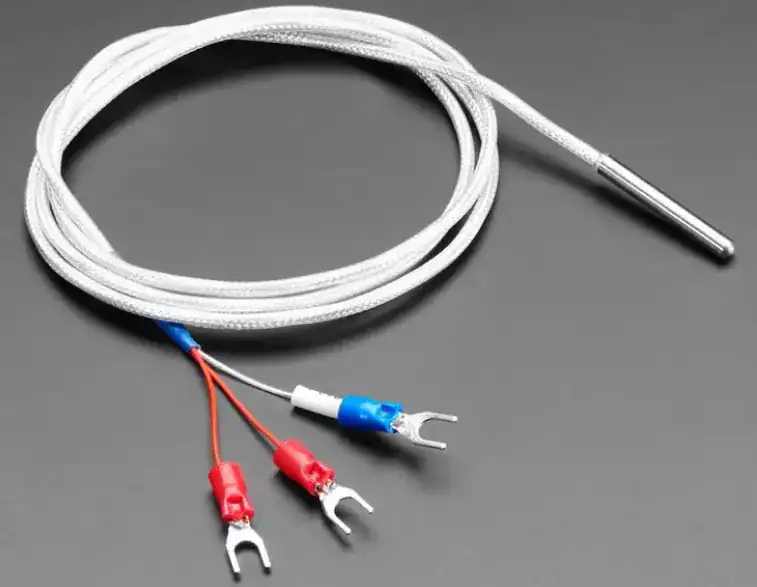
- Internal vs. External Temperature Controllers: Hot plates can feature either internal or external temperature control mechanisms. Internal controllers are integrated into the unit and measure only the temperature of the heating plate itself, not the actual temperature of the sample within the vessel. While adequate for general heating tasks, this can lead to notable temperature discrepancies between the plate and the sample, particularly in larger vessels or with viscous substances, potentially compromising the accuracy of precise experimental results. In contrast, external temperature probes, such as Pt100 or Pt1000 sensors, are accessories designed to be placed directly into the sample or heating medium. This method provides a direct and highly accurate measurement of the sample’s true temperature, enabling significantly more precise temperature control and real-time feedback. This capability is crucial for critical and sensitive applications where exact temperature maintenance is non-negotiable.
 |
- Analog vs. Digital Controls: The user interface for temperature adjustment varies between analog and digital models. Analog hot plates utilize a dial or knob for manual temperature adjustment, offering a simpler, more direct interface. However, they typically provide less precise control and may lack clear, calibrated units on their dials, making exact temperature replication challenging. Analog hot plates generally do not include integrated stirring capabilities unless used in conjunction with a separate magnetic stirrer. They are best suited for basic, less demanding tasks where exact temperature precision is not paramount. Digital hot plates, conversely, feature electronic controls and digital displays, such as LED or LCD screens, which provide highly accurate and precise temperature settings, often with resolutions as fine as 0.1°C. A significant advantage of digital models is their programmable settings, which empower users to define specific temperature profiles, set timers, and even create custom heating schedules. This capability facilitates automated control, significantly enhancing convenience, reproducibility, and accuracy for complex experiments. Many digital models also come with integrated magnetic stirrers, enabling simultaneous heating and stirring operations. These models are ideal for applications demanding high accuracy, reproducibility, and automated control.
The distinction between analog and digital controls, and internal versus external temperature probes, illustrates a continuous and fundamental progression towards higher precision, enhanced control, and increased automation in laboratory instrumentation. Analog controls are inherently less precise, while digital controls offer significantly more accurate temperature settings and programmable features. Similarly, internal probes only measure plate temperature, whereas external probes directly measure sample temperature, providing superior control. This drive for accurate and reproducible results and the ability to automate complex heating protocols are direct consequences of these advancements in control systems. As scientific research becomes increasingly sophisticated and demands higher fidelity data, the imperative to eliminate variability introduced by imprecise heating becomes paramount. Digital controls and external probes directly address this need by providing real-time, highly accurate feedback and the capability to program intricate temperature profiles. This progression reflects the increasing sophistication of scientific methodologies and the critical need for reliable, repeatable data in research and development. It also signifies a shift in laboratory practices towards greater automation, which can liberate researchers’ time for more analytical tasks and reduce the potential for human error, ultimately accelerating scientific discovery and validation. While these advanced features typically entail a higher initial cost, their value is justified by improved experimental outcomes and enhanced operational efficiency.
Stirring Mechanisms (for combination units)
For hot plates equipped with stirring capabilities, several components work in concert to achieve effective mixing:
 |
- Magnetic Stir Bar: This is a small, typically cylindrical or specially shaped magnet, usually coated in an inert material like Teflon or glass, that is placed directly inside the liquid sample. Its interaction with an external magnetic field causes the stirring action. Different shapes of stir bars (e.g., triangle, spherical, pivot ring) are designed for specific purposes, such as creating turbulence, preventing sedimentation, or optimizing performance in particular vessel types. The size of the stir bar should also be matched to the vessel and the hot plate’s drive magnet for optimal coupling and mixing.
- Stirring Motor and Magnet Assembly: Housed within the hot plate’s base unit, this assembly generates the rotating magnetic field that drives the stir bar. This field can be produced by a rotating permanent magnet or by running electric current through stationary electromagnets.
- Stirring Speed Controller: This component allows users to precisely adjust the rotational speed of the magnetic field, and thus the stir bar. This feature is essential because different samples and applications require varying stirring speeds to achieve optimal mixing results. Common applications typically require speeds between 400 and 800 rpm, but advanced models can reach up to 2500 rpm for more demanding tasks, especially with viscous or high-volume samples. The use of brushless DC motors and strong magnetic coupling is crucial for ensuring that the stirrer’s magnet spins at the advertised speed and that the stir bar remains in sync, preventing decoupling or erratic movement, particularly with viscous samples. Speed ramping features, which slowly increase stirring speed, can also prevent splashing and spin-out.
Essential Structural Elements
Beyond the heating and stirring functionalities, several structural elements are critical for the hot plate’s operation and safety:
- Base Unit: This forms the main body of the hot plate, typically constructed from durable materials such as stainless steel or aluminum. It houses all the critical internal electrical components, including the heating element, the temperature controller, and the stirring motor (if applicable).
- Support Rod and Clamp: These accessories are vital for securing the hot plate to a laboratory stand or bench, preventing accidental movement or tipping during operation. This stability is critical for safety, especially when conducting sensitive experiments or working with hazardous materials. Support rods and various clamps (e.g., thermometer clamps, vessel clamps) are commonly available accessories that enhance the utility of the hot plate setup.
- Power Cord and Fuses: These are fundamental safety features. The power cord supplies electricity to the device, while integrated fuses protect the hot plate from power surges and other electrical hazards, preventing damage to the unit and ensuring user safety. Regular inspection of the power cord for wear or damage is a crucial safety precaution.
Diverse Designs: Types of Laboratory Hot Plates
The market for laboratory hot plates offers a diverse array of designs, each tailored to specific operational needs and experimental demands. Understanding these variations is crucial for selecting the most appropriate equipment.
Hot Plate Only vs. Hot Plate Stirrer
The primary distinction in hot plate design lies in their functionality:
- Hot Plate Only: These are fundamental units designed exclusively for heating solutions or solid materials without any mixing capability. They are generally more economical to acquire and maintain, serving as reliable workhorses for basic heating tasks where agitation is not required.
- Hot Plate Stirrer (Combination Unit): These devices ingeniously integrate both a heating element and a magnetic stirring mechanism, enabling the simultaneous heating and mixing of liquids. The integrated stirring capability is paramount for ensuring uniform temperature distribution throughout the liquid and consistent reaction rates, both of which are vital for achieving reproducible experimental results. Hot plate stirrers often provide superior heating uniformity, particularly for high-volume (over 500 mL) and highly viscous samples where natural convection alone is insufficient for thorough mixing. While typically more expensive than hot plates that only heat, their dual functionality offers significant convenience and operational efficiency.
- Magnetic Stirrer (Stir-only): Some laboratory units are designed purely for stirring, lacking any heating capability. These are valuable when only mixing is required, and they inherently eliminate the risk of accidentally activating a heating function, which can be a significant safety advantage in certain applications, especially when dealing with flammable materials.
Analog vs. Digital Models
The control interface of hot plates also varies significantly, impacting precision and ease of use:
|
- Analog Hot Plates: These models are characterized by manual adjustment via dials or knobs, offering a simpler, more tactile interface. However, they generally provide less precise temperature control and may lack clear, calibrated units on their dials, making exact temperature replication challenging and prone to variability. Analog hot plates typically do not include integrated stirring capabilities unless paired with a separate magnetic stirrer. They are suitable for basic, less demanding tasks where exact temperature precision is not critical.
- Digital Hot Plates: These models feature electronic controls and digital displays (either LED or LCD), providing highly accurate and precise temperature settings, often with fine resolution (e.g., 0.1°C). A key advantage of digital hot plates is their programmable settings, which enable users to define specific temperature profiles, set timers, and even create custom heating schedules. This capability facilitates automated control, significantly enhancing convenience, reproducibility, and accuracy for complex experiments. Many digital hot plates come with integrated magnetic stirrers, providing simultaneous heating and mixing. These models are ideal for applications demanding high accuracy, reproducibility, and automated control.
The clear distinctions between hot plates designed for heating only, those combining heating and stirring, and pure magnetic stirrers, coupled with the evolution from analog to digital controls, illustrate a continuous and fundamental progression towards greater control and automation in laboratory instrumentation. This progression reflects the increasing sophistication of scientific methodologies and the critical need for reliable, repeatable data in research and development. The drive for accurate and reproducible results and the ability to automate complex heating protocols are direct consequences of these advancements in control systems. As scientific research becomes increasingly complex and demands higher fidelity data, the imperative to eliminate variability introduced by imprecise heating becomes paramount. Digital controls and external probes directly address this need by providing real-time, highly accurate feedback and the capability to program intricate temperature profiles. This signifies a shift in laboratory practices towards greater automation, which can liberate researchers’ time for more analytical tasks and reduce the potential for human error, ultimately accelerating scientific discovery and validation. While these advanced features typically entail a higher initial cost, their value is justified by improved experimental outcomes and enhanced operational efficiency.
Specialized Hot Plates
Beyond the general categories, several specialized hot plate designs cater to unique laboratory requirements:
- Multi-Position Hot Plates: These innovative designs feature multiple stirring and/or heating positions on a single platform, enabling the simultaneous heating and mixing of several samples. This design significantly conserves valuable bench space and time, making them particularly well-suited for high-throughput experiments and applications in life science and biotechnology where multiple reactions or preparations are conducted concurrently.
- Infrared Hot Plates: Utilizing ceramic glass plates, infrared hot plates disperse infrared light to directly and efficiently heat surfaces. They offer exceptionally rapid and uniform heating, along with fast cooling times. Their surfaces are typically durable and highly resistant to corrosion. Infrared hot plates are also recognized as an energy-efficient alternative to conventional heating methods.
- Explosion-Proof Hot Plates: These are critical safety devices specifically engineered for use in hazardous environments, such as Class I/Group D atmospheres where flammable gases or vapors may be present. They incorporate advanced safety features, including overtemperature safety monitors, precise thermostatic controls, and robust, sealed aluminum housing, all designed to prevent the accidental ignition of combustible materials or vapors.
- External-Controlled Hot Plates: These hot plates are designed with a separate controller unit that can be operated remotely, often from outside fume hoods or corrosive environments. This design is particularly ideal for applications involving acidic or basic aqueous solutions, where direct exposure to the main unit’s controls could lead to corrosion or safety risks.
- Incubator-Safe Hot Plates: Specifically optimized for biological applications, these hot plates are ideal for prokaryotic and eukaryotic cell culture work. They are designed to maintain precise temperatures (e.g., 37°C or 45°C) that are optimal for cell line growth and are built to resist moisture-based corrosion often found in incubator environments.
Applications Across Scientific Disciplines and Industries
The versatility of laboratory hot plates makes them indispensable tools across a wide array of scientific disciplines and industrial sectors. Their ability to provide controlled heating and, in many cases, simultaneous mixing, facilitates numerous critical processes.
Chemistry and Chemical Engineering
In chemistry and chemical engineering, hot plates are fundamental for a variety of tasks:
- Chemical Synthesis and Reactions: Hot plates are routinely used to heat chemical reactions, providing the necessary activation energy for synthesis processes. Examples include the Diels-Alder cycloaddition reaction, which typically requires heat to proceed, and Friedel-Crafts acylation. They offer precise temperature control crucial for many chemical processes, allowing for controlled reaction rates and product yields.
- Evaporation of Solvents: Hot plates are effective for evaporating solvents from solutions, a common step in sample preparation or concentration.
- Solution Preparation: Dissolving solids into liquids, preparing reagents, and ensuring homogeneity are frequent applications.
- Purification of Substances: They are used in processes like recrystallization, which often involves heating a solvent to dissolve a compound and then cooling it to allow pure crystals to form.
- Acid-Base Digestion: Certain hot plates, particularly aluminum-top models, are ideal for large-volume heating applications requiring precise temperature stability, such as acid-base digestion.
Biology and Biochemistry
In biological and biochemical research, hot plates play a crucial role:
- Cell Culture and Incubation: Hot plates, especially incubator-safe models, are used for culturing cells and maintaining optimal growth conditions for bacterial and mammalian cell lines, typically at temperatures like 37°C or 45°C.
- Sterilization of Equipment: They are employed for sterilizing laboratory equipment, contributing to aseptic conditions necessary for biological work.
- Sample Preparation: Hot plates are essential for preparing biological samples for analysis, which can involve heating solutions, melting agar for cell culture media, or performing enzyme assays. While the provided information does not detail specific biological sample preparation steps using hot plates, general heating for fixation, dehydration, or drying might be implied.
- Thawing Reagents: Gentle warming on a hot plate can be used to thaw temperature-sensitive reagents.
Clinical and Medical Research
Hot plates also find applications in clinical and medical research:
- Sample Analysis and Preparation: They are used for preparing samples for analysis in healthcare settings.
- Diagnostic Procedures: The “unilateral hot plate test” in mice, for example, is a method for detecting hyperalgesia (increased pain sensitivity) by measuring paw withdrawal latency on a heated surface. This demonstrates their use in physiological and pharmacological studies related to pain and drug efficacy.
- Pharmaceutical Research: In pharmaceutical laboratories, hot plates are utilized for tasks such as dissolving pharmaceutical compounds, preparing dosage forms, conducting stability studies, and investigating the thermal properties of drugs.
Industrial Settings and Quality Control
Beyond academic and clinical research, hot plates are vital in various industrial applications:
- Material Heating and Melting: They are used for melting or heating various materials in industrial processes.
- Drying and Curing Coatings: Hot plates are employed for drying and curing coatings, offering advantages over traditional ovens such as decreased bake time, increased uniformity, reproducibility, and reduced particle contamination.
- Preheating Parts for Manufacturing: They serve to preheat parts for manufacturing processes.
- Product Quality Control and Testing: Hot plates are indispensable in product quality control and testing. An example is the “hot-plate crackle test” used in machinery lubrication to detect free and emulsified water in oil samples by observing bubbling patterns at a constant temperature (e.g., 160°C). This test, while non-quantitative, provides a quick field assessment.
- Food and Beverage Industry: They can heat and mix ingredients in food processing and quality control applications.
Safety and Best Practices in Laboratory Hot Plate Use
Despite their design as safer alternatives to open flames, laboratory hot plates present several potential dangers if not used correctly. Understanding these hazards and adhering to best practices is paramount for ensuring laboratory safety and data integrity.
Common Hazards
- Burns: Hot plate surfaces can reach extremely high temperatures, often up to 500°C or even 550°C. Contact with a hot plate, even after it has been turned off, can cause severe burns as the surface retains heat for a considerable period.
- Electric Shock: Damaged power cords or wires coming into contact with the hot plate surface can lead to insulation melting and subsequent electric shock.
- Fire Hazard: Older hot plate models may pose a risk of electrical sparks from switches or thermostats, which can ignite combustible materials. Heating flammable substances, especially low-boiling solvents like diethyl ether, pentane, hexane, or acetone, in open vessels on a hot plate is extremely hazardous, as organic vapors can ignite upon contact with the heating element or hot surface. Accidental activation of the heating function on a hot plate stirrer when only stirring is intended can also lead to fires.
- Runaway Hot Plates: A significant concern, particularly with older or malfunctioning units, is the phenomenon of “runaway hot plates.” This occurs when the hot plate heats uncontrollably, regardless of the temperature setting or even if the controls are in the “off” position. This malfunction, often linked to the failure of a solid-state switching component (a “triac”) that fails closed, allows current to continuously flow to the heating element, causing the plate to heat to its maximum temperature without control. Such incidents have resulted in injuries to laboratory personnel and significant damage to research facilities.
Safety Best Practices
To mitigate these risks, several best practices must be consistently followed:
- Equipment Selection and Inspection: Only use hot plates approved by a Nationally Recognized Testing Laboratory (NRTL), such as Underwriter’s Laboratory (UL) or CE (Conformité Européene). Periodically inspect the equipment for any damage, including frayed cords, removed grounding pins, cracks in the hot plate or glassware, or signs of corrosion on thermostats. Test the “off” switch regularly to ensure the device cools quickly when turned off.
- Appropriate Glassware and Materials: Use only heat-resistant, borosilicate glassware, and inspect it for chips or cracks before use. Avoid placing thick-walled glass, soft glass, or plastic containers directly on a hot plate, as they can crack or shatter due to uneven heating or thermal shock. Ceramic hot plates should generally only be used with glassware, while aluminum or stainless steel plates are suitable for metal vessels.
- Workspace Management: Maintain a tidy workspace, keeping it clear of unnecessary items, especially flammable chemicals or combustible materials, which should never be stored or used near a hot plate. Ensure adequate ventilation, particularly when heating organic materials, preferably within a certified fume hood, to keep solvent vapor levels below the flammable range.
- Temperature Control and Operation: Choose an appropriate temperature setting for the application; for low boiling solvents, set the temperature 5-10°C above boiling point, and 10-20°C above for high boiling solvents. Avoid using the highest setting for low-boiling liquids, as surface temperatures can reach 540°C. For boiling liquids, use boiling stones or sticks to encourage calm and uniform heating and prevent overflow. Do not heat mixtures to dryness, as this can cause glassware to crack. If using a combination hot plate stirrer, ensure the correct function (heating or stirring) is activated to prevent accidental heating of flammable liquids.
- Unattended Use and Monitoring: Ideally, hot plates should not be left unattended while turned on, especially during high-temperature or high-pressure reactions. If unattended operation is necessary (e.g., for overnight reactions), implement additional safety measures such as pre-set timers, automatic high-temperature shut-off features, or external temperature probes for direct sample monitoring. Clearly label stir and heat control knobs to prevent confusion.
- Handling Hot Materials: Always use appropriate personal protective equipment (PPE), such as heat-resistant gloves or tongs, when removing items from a hot plate or handling hot glassware. Allow containers to cool down before moving them if possible, and place a “hot” sign in front of them to alert others.
- Spill Management: Clean any spills immediately and carefully after the hot plate has cooled down, as spills can increase the potential for erosion, fires, and electrical malfunctions. Provide secondary containment for any flammable liquids being heated to prevent spills from contacting the hot plate surface.
- Hazardous Materials: Avoid heating strong oxidizing materials in oil baths due to the risk of uncontrolled reactions. Never heat mixtures that evolve vapors in a closed system without accounting for pressure build-up; use a condensing apparatus and continuous venting for such reactions. For heating flammable liquids, using a water bath or heating block is often safer than direct heating on a hot plate, as they provide more even heat distribution and better temperature control.
The prevalence of “runaway hot plates,” where devices heat uncontrollably regardless of settings, highlights a critical design issue in some models, often due to the failure of internal components. This issue, along with human error and poor work practices, contributes to the majority of hot plate-related injuries and incidents. The casual approach often adopted due to the ubiquitous nature of these devices can increase risks. To minimize these dangers, the most effective approach is to eliminate the risk by replacing susceptible hot plate models with versions that offer greater safety controls, rather than solely relying on administrative controls. If only stirring is required, using a non-heating stirrer is recommended to prevent accidental activation of the heating function.
Maintenance and Calibration of Laboratory Hot Plates
Proper maintenance and periodic calibration are essential for ensuring the longevity, optimal performance, and continued safety of laboratory hot plates.
Cleaning Best Practices
Regular cleaning prevents residue buildup and potential hazards:
- Power Off and Cool Down: Always ensure the hot plate is turned off and unplugged, and allow it to cool down completely before cleaning to prevent electrical hazards and burns. The surface can remain hot for a significant time after being switched off.
- Remove Residue: Use a soft, damp cloth or sponge to remove spills or residues from the heating surface. Avoid abrasive cleaners or scouring pads, as they can scratch the surface, potentially leading to corrosion or damage, especially on aluminum or ceramic surfaces. For chemical residues, use an appropriate solvent or detergent compatible with the hot plate’s surface material.
- Dry Thoroughly: After cleaning, ensure the hot plate is completely dry before reconnecting to power, as moisture can damage electrical components.
- Specific Material Considerations: For stainless steel, avoid deionized water for routine cleaning and use a damp cloth, as some chemicals and lack of oxygen can cause rust or pitting. For ceramic surfaces, specialized “glass cooktop” cleaners or even hydrogen peroxide (with caution and proper ventilation) can be effective for stubborn, burned-on stains.
Maintenance Guide
Proactive maintenance helps prevent malfunctions and extends the life of the unit:
- Inspect for Damage: Regularly inspect the hot plate for any signs of physical damage, such as cracks in the heating surface or housing, or fraying of electrical cords. Any issues should prompt contact with the manufacturer for repair or replacement.
- Ventilation: Ensure that the hot plate’s ventilation slots are not blocked, as adequate airflow is crucial to prevent overheating of internal components.
- Stirring Mechanism (if applicable): For hot plates with integrated stirring, inspect the stir bar and the stirring mechanism for any signs of wear or damage. Replace worn stir bars as needed and lubricate moving parts according to manufacturer recommendations to prevent wear and tear.
- Safety Features: Periodically test any built-in safety features, such as automatic shut-off switches, overheat protection, or thermal shutdown systems, to ensure they are functioning correctly.
- Storage: When the hot plate is not in use for extended periods, store it in a clean, dry environment to prevent the accumulation of dust and contaminants.
- User Manual Consultation: Always refer to the hot plate’s user manual for specific maintenance recommendations and troubleshooting tips provided by the manufacturer.
- Training: Ensure that all laboratory personnel who use the hot plate are properly trained in its safe and correct operation and maintenance procedures. Maintaining a maintenance log to document cleaning, inspection dates, and any repairs performed is also a good practice.
Calibration Procedures
Calibration ensures the accuracy of temperature readings and control:
- Temperature Accuracy Verification: Periodically check the hot plate’s temperature accuracy using a calibrated thermometer or an external temperature probe.
- Probe Calibration: If using an external temperature probe, calibration can be performed using an accessory calibration kit that simulates fixed temperature points. This typically involves inserting a “dummy” probe and adjusting potentiometers (e.g., PROBE HI, PROBE LO) until the hot plate’s readout matches the probe’s specified temperature.
- Plate Temperature Calibration: To calibrate the hot plate’s surface temperature readout, a calibrated surface temperature probe is used as a reference. The hot plate is set to a target temperature, allowed to stabilize, and then the plate’s potentiometer (e.g., PLATE HI) is adjusted until its reading aligns with the external probe’s measurement. It is important to note that plate and probe circuits are typically independent, so calibrating one does not necessarily calibrate the other.
- Importance of Calibration: Hot plate calibrations are crucial for businesses requiring precise heating capabilities, ensuring that temperature uniformity is maintained and that temperature output accurately corresponds with the control reading. Periodic calibrations are vital for ensuring accurate equipment performance and adherence to quality standards such as ISO/IEC 17025:2017.
Comparison with Other Laboratory Heating Methods
Laboratory hot plates are one of several heating methods available, each with its own advantages and disadvantages depending on the application.
Hot Plate vs. Bunsen Burner
- Control and Safety: Hot plates are considered significantly safer and more controllable than open-flame Bunsen burners. Bunsen burners provide rapid heating but lack precise temperature control and pose a high fire hazard due to the open flame and the use of flammable gas. Hot plates, by contrast, eliminate the open flame, reducing fire risk and offering better temperature regulation.
- Temperature Range: Bunsen burners can achieve very high temperatures, up to approximately 1500°C 70, while typical hot plates range from 100°C to 750°C, with some reaching 550°C.
- Efficiency and Cost: While Bunsen burners might be less expensive initially, hot plates are often more energy-efficient for controlled heating.
Hot Plate vs. Water Bath
- Heating Method: A water bath uses water as a heating medium, providing a stable and gentle temperature environment by heating the water, which then heats the sample indirectly through thermal conductivity. Hot plates, on the other hand, use electric heating elements to directly heat a metal or ceramic surface, transferring heat to the sample container placed directly on it.
- Temperature Range: Water baths are suitable for lower temperature ranges, generally between room temperature and 100°C (the boiling point of water).54 Hot plates can provide a higher temperature range, typically up to 300°C to 550°C.
- Uniformity and Stability: Water baths excel in providing stable and uniform constant temperature heating, making them ideal for temperature-sensitive materials or when precise, low-temperature heating is required, such as in microbiology and biochemistry. Hot plates are suitable for rapid heating and high-temperature applications, but their temperature uniformity across the surface might vary depending on the material (e.g., ceramic vs. aluminum).
- Safety and Contamination: Water baths are generally safer for volatile or flammable substances due to indirect heating and the absence of an open flame. Hot plates require careful handling with flammable materials. Water baths also have a medium risk of contamination if water contacts the sample.
Hot Plate vs. Laboratory Oven
- Heating Mechanism: Hot plates heat a substrate from the bottom up by direct contact with a heated surface. Laboratory ovens, typically convection ovens, heat samples by circulating hot air throughout a chamber.
- Application and Efficiency: Hot plates are popular for film drying and curing, offering advantages like decreased bake time (minutes vs. 30+ minutes for ovens), increased uniformity, reproducibility, and decreased particle contamination. They prevent the “skin effect” (where a skin forms on the film surface, trapping solvents) common in ovens by heating from the bottom. Lab ovens are designed for precise temperature control and uniformity for drying, curing, and sterilization, especially for larger or multiple samples.
- Temperature Control and Uniformity: Lab ovens offer precise temperature control and uniformity throughout their chamber, crucial for reproducible scientific experiments. Hot plates can also offer precise control, particularly with digital models and external probes, but their uniformity is primarily on the surface.
- Safety: Both have safety features, but explosion-proof lab ovens exist for volatile substances, similar to explosion-proof hot plates.
Choosing a Laboratory Hot Plate: A Buyer’s Guide
Selecting the appropriate laboratory hot plate requires careful consideration of several key factors to ensure it meets specific experimental needs, safety requirements, and budgetary constraints.
- Temperature Range: The required temperature range is a primary consideration, as it dictates the types of experiments that can be performed. Hot plates offer varying maximum temperatures, from low-boiling point applications (e.g., 100°C) to high-temperature processes (e.g., 300°C to 550°C or even 750°C). It is important to select a hot plate that can reach the necessary temperature for the sample, often requiring the plate’s maximum temperature to be higher than the target sample temperature.
- Heating Surface Material: The material of the heating surface significantly impacts performance, durability, and chemical resistance. As discussed previously, ceramic offers excellent chemical resistance and thermal stability, aluminum provides superior temperature uniformity and durability, and stainless steel excels in corrosion resistance and suitability for aseptic environments. The choice depends on the chemicals used, the type of glassware (glass vs. metal vessels), and the need for uniform heating.
- Stirring Capability: Determine if the application requires simultaneous heating and mixing. Combination hot plate stirrers offer this dual functionality, which is crucial for maintaining uniform temperature and reaction rates in liquids. If only stirring is needed, a dedicated magnetic stirrer is a safer and more economical option. For viscous liquids, a hot plate with a stronger stirrer and robust magnetic coupling is recommended to prevent stir bar decoupling. The stirring speed range (e.g., 0-2500 rpm) should match the application’s needs.
- Temperature Control Accuracy and Stability: For experiments requiring precise temperature control, digital models with electronic feedback controls and the option for external temperature probes are highly recommended. These features allow for accurate temperature settings (e.g., 0.1°C resolution) and real-time monitoring of the actual sample temperature, minimizing overshoot and maintaining stability. Programmable settings offer automation for complex heating protocols.
- Size and Capacity Load: The hot plate’s size and capacity should be appropriate for the volume and weight of the samples and glassware to be used. The heating surface should ideally be larger than the vessel being heated to prevent spills and ensure efficient heat transfer. Multi-position hot plates are available for high-throughput applications requiring simultaneous heating of multiple vessels.
- Safety Features: Safety is paramount. Look for hot plates with essential safety features such as overheat protection, automatic shut-off mechanisms, temperature alarms, and hot top warning lights that indicate when the surface is hot, even when the heat control is off. Explosion-proof models are critical for hazardous environments with flammable vapors.
- Price and Certifications: While budget is a factor, higher-priced models often come with advanced features, better durability, and enhanced safety. Ensure the hot plate has relevant safety certifications like UL (Underwriters Laboratories) or CE (Conformité Européene), indicating it meets specific safety standards.
- Ease of Use and Durability: Consider features like digital displays, intuitive control panels, and ergonomic design for ease of use. Durability is also important, ensuring the hot plate can withstand frequent use and harsh chemicals, often reflected in the manufacturer’s warranty.
Conclusions
Laboratory hot plates are indispensable tools that have profoundly transformed scientific research and industrial processes by offering a safe, precise, and versatile alternative to traditional heating methods. Their evolution from rudimentary open flames to sophisticated, digitally controlled devices with integrated stirring capabilities represents a significant advancement in laboratory safety and experimental reproducibility. The underlying principles of Joule heating and magnetic induction demonstrate a thoughtful integration of fundamental physical phenomena, resulting in highly efficient and controllable instruments.
The selection of a hot plate involves a complex interplay of material science, control system sophistication, and application-specific needs. The diverse range of heating surface materials—ceramic, aluminum, and stainless steel—each presents a unique set of advantages and disadvantages, compelling users to make informed choices based on factors such as chemical resistance, temperature uniformity, and durability. This necessitates a careful assessment by both manufacturers in design and users in procurement to ensure the equipment is optimally suited for its intended purpose. Furthermore, the continuous development of control systems, from analog dials to precise digital interfaces with external temperature probes and programmable settings, underscores an increasing demand for higher accuracy and automation in scientific experimentation. This trend reflects the growing complexity of modern research and the critical need for reliable, repeatable data, enabling researchers to achieve more consistent outcomes and dedicate more time to analytical tasks.
Hot plates are integral across chemistry, biology, clinical research, and various industrial applications, facilitating tasks from chemical synthesis and cell culture to quality control and material processing. However, their use is not without risks, including burns, electrical shock, and the critical issue of “runaway hot plates.” Adherence to stringent safety protocols, including proper equipment selection, meticulous workspace management, and continuous monitoring, is paramount to mitigate these hazards. Regular maintenance and calibration are equally vital for ensuring the longevity, optimal performance, and continued safety of these devices.
In essence, the laboratory hot plate, in its various forms, embodies a critical piece of laboratory infrastructure. Its continued development, driven by the demand for enhanced safety, precision, and efficiency, ensures its enduring role as a cornerstone of scientific discovery and technological advancement.
If you are ready to find the right Hot Plate for your laboratory, please browse our complete product range: Hot Plate
This guide is maintained by HINOTEK’s core technical team, comprised of senior engineers and application scientists with over two decades of hands-on experience in fields such as microscopy, centrifugation, and spectrophotometry. We are committed to ensuring that every piece of information in this guide—from instrument principles and technical specifications to laboratory procurement advice—maintains the highest level of accuracy and timeliness.
This content is regularly reviewed and updated to reflect the latest industry standards and technological advancements. We value feedback from the global scientific community. Should you have any questions or suggestions, or wish to discuss any technical details, please do not hesitate to contact our expert team at [email protected].
Works cited
-
- 3 Types of Lab Hot Plates and Their Uses – Avantor, https://www.avantorsciences.com/us/en/cms/types_of_lab_hot_plates
- Hot Plate Stirrers Explained: A Complete Guide – Enrgtech, https://www.enrgtech.co.uk/blog/hot-plate-stirrers-explained-a-complete-guide/
- www.avantorsciences.com, https://www.avantorsciences.com/us/en/cms/types_of_lab_hot_plates#:~:text=These%20plates%20are%20commonly%20used,substances%2C%20and%20performing%20chemical%20reactions.
- The Hot and Twisted: The Science Behind Hotplates and Magnetic Stirrers, https://blog.pipette.com/the-hot-and-twisted-the-science-behind-hotplates-and-magnetic-stirrers
- What Should I Look for in a Hot Plate or Hot Plate Stirrer? – The Lab Depot, https://www.labdepotinc.com/articles/what-should-i-look-for-in-a-hot-plate-or-hot-plate-stirrer.html
- Heat Source Safety | NSTA, https://www.nsta.org/blog/heat-source-safety