
Guide Navigation
- Introduction: The Critical Need for Gentle, Efficient Sample Concentration
- The Core Principle: How Centrifugal Vacuum Concentration Works
- Anatomy of the System: The Key Components Explainedr
- Primary Applications: Where This Technology Excels
- Choosing the Right Tool: Centrifugal Concentrator vs. Other Methods
- A Practical Guide to Using Your Concentrator
- Buyer’s Guide: Selecting the Right Centrifugal Vacuum Concentrator
- Ensuring Longevity: Routine Maintenance and Care
- Conclusion: A Vital Instrument for High-Quality, Reproducible Research
 |
Introduction: The Critical Need for Gentle, Efficient Sample Concentration
In scientific workflows across genomics, proteomics, drug discovery, and analytical chemistry, valuable samples are often the starting point. Whether it’s DNA extracted from a clinical biopsy, a newly synthesized drug compound, or a purified protein, these materials frequently exist in dilute solutions. However, the analytical techniques used for their characterization—such as mass spectrometry, next-generation sequencing, or HPLC—demand higher concentrations for accurate detection and reliable results. This presents a fundamental challenge: how to remove the excess solvent without damaging or losing the precious solute within.
Simple evaporation at atmospheric pressure is too slow. Applying aggressive heat can irreversibly denature sensitive proteins, degrade fragile RNA, or alter the structure of a target compound, rendering the sample useless. This is where a specialized solution is required. A centrifugal vacuum concentrator (View HINOTEK centrifugal vacuum concentrator Category) is a laboratory instrument engineered to solve this problem. It uses a sophisticated combination of centrifugal force, deep vacuum, and precisely controlled heat to rapidly and gently evaporate solvents from multiple small-volume samples simultaneously.
This guide provides a comprehensive, expert-level understanding of this technology. It covers the core operating principles, breaks down the essential components of a complete system, explores its primary applications, and offers practical guidance on operation, selection, and maintenance. The goal is to equip researchers, lab managers, and procurement specialists with the knowledge needed to effectively use and invest in this vital laboratory instrument.
The Core Principle: How Centrifugal Vacuum Concentration Works
A centrifugal vacuum concentrator operates through the synergistic interplay of three physical principles: vacuum, centrifugal force, and heat. Understanding how these three elements work together is key to appreciating the instrument’s effectiveness and its advantages over other methods.
Here’s how it works.
The Physics Trio
- Vacuum: The process begins with a vacuum pump reducing the atmospheric pressure inside a sealed sample chamber. According to the laws of physics, a liquid’s boiling point is dependent on the pressure exerted upon it. By lowering the pressure, the vacuum pump drastically lowers the boiling point of the solvents in the samples. For example, water boils at 100°C at standard atmospheric pressure, but under a sufficient vacuum, it can boil at room temperature or even lower. This allows for rapid evaporation without exposing the sample to high, damaging temperatures.
- Centrifugal Force: While the vacuum encourages the solvent to boil, it can also cause a violent phenomenon known as “bumping.” To prevent this, a rotor spins the sample tubes at speeds generating a centrifugal force of 200 to 500 times gravity (g). This force serves two critical functions. First, it pins the liquid and the solute to the bottom of the tube, creating a pressure gradient within the solvent. Second, it ensures that boiling occurs smoothly from the top surface of the liquid downwards, rather than erupting from the bottom. This controlled evaporation is the key to preventing sample loss and cross-contamination between tubes.
- Heat: As a solvent evaporates, it causes significant cooling—a process known as evaporative cooling. If left unchecked, this effect could cause aqueous samples to freeze, which would dramatically slow down or halt the evaporation process. To counteract this, a controlled amount of heat is applied to the chamber. This energy input is not intended to “cook” the sample; rather, it replaces the energy lost during vaporization, keeping the sample in a liquid state and maintaining an efficient evaporation rate. In advanced systems, this heat can be applied through chamber wall heaters or via infrared (IR) lamps in the lid, which provide radiant energy directly to the samples.
The relationship between these forces is nuanced. For heat to be transferred effectively to the sample, some gas molecules must be present in the chamber for convection to occur. In a near-perfect vacuum, heat transfer becomes inefficient. Therefore, the most advanced systems use programmable vacuum controls or “ramps” that carefully balance the vacuum level to optimize both the boiling point reduction and the efficiency of heat transfer, leading to faster, more controlled drying times.
Preventing “Bumping”: The Key Advantage
“Bumping” is the sudden, violent boiling of a liquid, which often happens when heating a solution under vacuum. It can cause a significant portion of the sample to be ejected from its container, leading to sample loss and cross-contamination of adjacent samples in the rotor. This is a major concern when working with valuable or limited-quantity materials.
The centrifugal vacuum concentrator’s design inherently prevents bumping. The strong centrifugal force creates a pressure gradient within the sample tube, meaning the pressure at the bottom of the liquid is higher than at the surface. This forces the solvent to evaporate smoothly from the surface down, eliminating the risk of explosive boiling. The solute is simultaneously concentrated into a small pellet at the bottom of thetube, allowing for easy and complete recovery after the run is finished. This feature is a primary reason why the technology is trusted for applications where maximizing sample recovery is paramount.
Anatomy of the System: The Key Components Explained
A common misconception is to view the centrifugal vacuum concentrator as a single machine. In reality, it is a complete system where each component plays a critical role. The overall performance, reliability, and application range of the setup depend on the proper integration and specification of four key parts: the concentrator unit, the rotor, the vacuum pump, and the cold trap.
The Concentrator Unit
This is the central hub of the system where the main process occurs. It consists of several key elements:
|
|
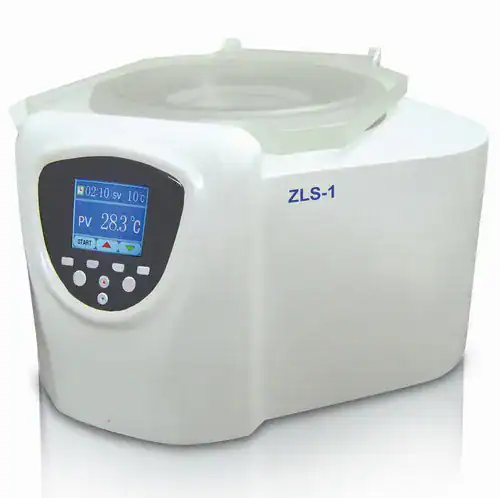
- Chamber: A robust, vacuum-tight enclosure that houses the rotor. To withstand the aggressive solvents often used in modern labs, the chamber is typically constructed from stainless steel or aluminum coated with a chemically resistant polymer like PTFE (Teflon).
- Lid: A thick, heavy lid creates an airtight seal with the chamber. It often features a safety lock that prevents it from being opened while the rotor is in motion. Many models use a glass or special IR-transparent glass lid, which allows for direct radiant heating of the samples and enables visual monitoring of the drying process, sometimes with the aid of a built-in strobe light.
- Drive System: Modern concentrators use a maintenance-free induction or magnetic drive motor. These systems are designed for quiet, low-vibration operation to avoid disturbing the lab environment and, more importantly, to prevent the disruption of the concentrated pellet at the end of a run.
The Rotor
The rotor is the heart of the concentrator. It holds the sample tubes and spins to generate the essential centrifugal force.
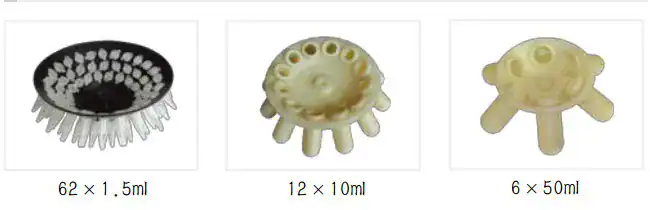 |
- Function and Types: Rotors are designed with specific cavities to hold various types of labware, from 0.5 mL microcentrifuge tubes to 50 mL conical tubes, vials, and even 96-well microplates. This versatility allows a single machine to be adapted for many different workflows. While fixed-angle rotors are most common for this application, some systems may offer swinging-bucket rotors.
- Material and Capacity: Rotors are precision-machined from aluminum for its strength and heat transfer properties. Like the chamber, they are often coated with PTFE to protect them from corrosion when working with acids or aggressive organic solvents. Capacities vary widely, from a couple of dozen small tubes to over 300 samples in high-throughput models.
The Vacuum Pump
The vacuum pump (View HINOTEK Diaphragm Vacuum Pump) is the engine of the system, responsible for creating the low-pressure environment needed for evaporation. The choice of pump is one of the most critical decisions in configuring a system, as it directly impacts performance and longevity.
|
|

- Chemical Resistance is Non-Negotiable: The vapors evaporated from the samples are pulled through the vacuum pump. If these vapors contain corrosive solvents like trifluoroacetic acid (TFA), hydrochloric acid (HCl), or acetonitrile, they will quickly destroy a standard vacuum pump. It is essential to use a chemical-resistant pump, where all “wetted” parts (the components that come into contact with the vapor) are made from inert materials like PTFE.
- Pump Technologies:
- Oil-Free Diaphragm Pumps: This is the modern standard for most centrifugal concentration applications. They require no oil, are low-maintenance, and are designed for chemical resistance. They provide a sufficient vacuum for evaporating most aqueous and organic solvents.
- Rotary Vane Oil Pumps: These pumps can achieve a deeper vacuum than diaphragm pumps. This is necessary for evaporating very high-boiling-point solvents (e.g., DMSO, DMF) or for applications where the sample needs to be freeze-dried (lyophilized) within the concentrator. However, they require regular, messy oil changes and are more susceptible to damage from corrosive vapors if not properly protected.
The Cold Trap (Vapor Condenser)
The cold trap is the system’s indispensable protector. It is a refrigerated device placed in the vacuum line between the concentrator chamber and the vacuum pump.
|
|
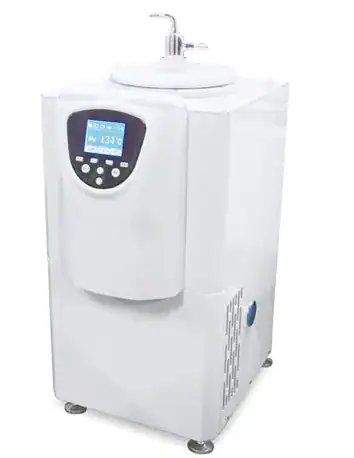
- Function: The cold trap contains a surface that is chilled to a very low temperature, typically -50°C, -85°C, or even -105°C. As the warm solvent vapor from the concentrator passes over this cold surface, it rapidly condenses back into a liquid and is collected in a removable glass flask.
- Purpose: The cold trap serves two vital purposes. First, it protects the vacuum pump from being flooded with corrosive solvent vapors, dramatically extending its service life. Second, it prevents these potentially hazardous chemical fumes from being exhausted by the pump into the laboratory’s atmosphere, protecting personnel and the environment.
- Temperature Selection: The required temperature of the cold trap depends on the solvent being used. A -50°C trap is generally sufficient for trapping water vapor. For more volatile organic solvents like ethanol or acetonitrile, a colder trap (-85°C or -105°C) is necessary to capture the vapors efficiently.
Investing in a system with the right chemical resistance for its components is not just about performance; it is a crucial decision affecting the instrument’s total cost of ownership. A system purchased at a lower initial cost without adequate protection against corrosive solvents will inevitably lead to premature failure of the pump, rotor, or chamber, resulting in expensive repairs and significant downtime. A well-specified system, though potentially more expensive upfront, will provide reliable service for many years, making it a more sound long-term investment.
Primary Applications: Where This Technology Excels
The unique ability of the centrifugal vacuum concentrator to process multiple, small-volume samples gently and without loss makes it an indispensable tool in several fields of scientific research and development. Its applications are diverse, but they share a common theme: the need to handle high-value samples where integrity and recovery are paramount.
Genomics and Molecular Biology
- Use Case: Concentrating samples of DNA, RNA, and oligonucleotides. After extraction and purification from cells, tissues, or other sources, nucleic acids are often in dilute aqueous buffers or ethanol solutions. For downstream applications like Next-Generation Sequencing (NGS), qPCR, and microarray analysis, a higher concentration is required.
- Why it’s preferred: This method is exceptionally gentle, preserving the integrity of fragile molecules like RNA. The low-temperature operation and prevention of bumping ensure high recovery rates, which is critical when starting material is scarce (e.g., clinical samples). The availability of rotors for 96-well plates also aligns perfectly with the high-throughput nature of modern genomics.
Proteomics
- Use Case: Concentrating protein samples for analysis, as well as performing desalting or buffer exchange. Proteins are often purified in large volumes of buffer, and concentrating them is a necessary step before analysis by mass spectrometry, X-ray crystallography, or functional assays.
- Why it’s preferred: The primary advantage is the preservation of the protein’s native three-dimensional structure and biological activity. The process maintains low temperatures throughout, preventing heat-induced denaturation. Unlike other methods that might involve high shear forces or exposure to harsh chemicals, centrifugal concentration gently removes the solvent while keeping the protein intact and active.
Drug Discovery and Pharmaceutical Research
- Use Case: Evaporating solvents from large compound libraries in high-throughput screening (HTS) and combinatorial chemistry. It is also used to concentrate drug metabolites from biological matrices (like plasma or urine) for pharmacokinetic studies.
- Why it’s preferred: Speed and capacity. A single centrifugal concentrator can process hundreds of samples in parallel, dramatically accelerating the research pipeline. Compared to a rotary evaporator, which handles only one sample at a time, the throughput is orders of magnitude higher. This makes it an essential tool for labs that need to prepare thousands of compounds for screening.
Analytical and Environmental Chemistry
- Use Case: Preparing a wide range of samples for analysis by highly sensitive techniques like High-Performance Liquid Chromatography (HPLC) and Mass Spectrometry (MS). This includes concentrating trace contaminants from environmental samples (water, soil) or extracting residues from food products for safety testing.
- Why it’s preferred: It provides clean, highly reproducible concentration. The complete removal of solvents is crucial, as residual solvents can interfere with analytical instruments and compromise results. The method ensures that the analyte of interest is concentrated without introducing contaminants, leading to more accurate and reliable data.
Across all these fields, the underlying value proposition is the protection of the sample. The cost of losing a week’s worth of a synthesized compound, a one-of-a-kind patient sample, or a batch of purified protein is far greater than the cost of the equipment. The centrifugal vacuum concentrator is therefore not just an evaporator; it is a form of “sample insurance” that safeguards the entire research workflow that precedes and follows the concentration step.
Choosing the Right Tool: Centrifugal Concentrator vs. Other Methods
While the centrifugal vacuum concentrator is a powerful and versatile instrument, it is not the only method for solvent evaporation. The optimal choice of technology depends on the specific requirements of the application, particularly sample volume and throughput. The two most common alternatives are the rotary evaporator and the nitrogen blowdown evaporator.
- Rotary Evaporator (Rotovap): This instrument consists of a rotating round-bottom flask partially submerged in a heated water bath. A vacuum is applied to the system, and the rotation of the flask continuously spreads the solvent into a thin film, increasing the surface area for rapid evaporation.
- Nitrogen Sample Concentrator: This device uses multiple needles to direct a stream of inert nitrogen gas onto the surface of the liquid in an array of tubes or vials. The gas flow disrupts the vapor-saturated layer just above the liquid, accelerating the rate of evaporation. A heated block is often used to speed up the process.
The following table compares these three technologies across key performance metrics.
| Feature | Centrifugal Vacuum Concentrator | Rotary Evaporator (Rotovap) | Nitrogen Sample Concentrator |
|---|---|---|---|
| Primary Principle | Centrifugal Force + Vacuum + Heat | Rotation + Vacuum + Heat | Inert Gas Flow (+/- Heat) |
| Sample Throughput | High (Dozens to >300 samples) | Very Low (1 sample at a time) | Medium (Dozens of samples) |
| Typical Sample Volume | Small to Medium (µL to ~50 mL) | Medium to Large (>50 mL to Liters) | Small (<50 mL) |
| Best For | High-throughput biology, heat-sensitive samples, complete dryness | Single large-volume organic synthesis, purification, solvent distillation | Batches of small, volatile samples; endpoint concentration |
| “Bumping” Prevention | Excellent (Inherent to design) | Fair (Requires careful vacuum control and rotation speed) | Poor (Can cause splashing and aerosol formation) |
| Suitability for Heat-Sensitive Samples | Excellent (Low temp operation, refrigerated models available) | Good (Lowers boiling point, but bath is heated) | Good (Can run at ambient temp, but very slow for some solvents) |
| Solvent Recovery | Excellent (Captured efficiently in cold trap) | Excellent (Captured efficiently in condenser) | Poor (Typically vented to fume hood, no recovery) |
| Footprint | Medium to Large (System includes pump and trap) | Large (Requires pump, condenser, and heating bath) | Smallest (Compact, self-contained units are common) |
For more information on pretreatment methods for sample concentration and water removal, please read our article: A Guide to Pretreatment Methods for Sample Concentration and Water Removal.
Analysis and Recommendations
The choice of technology often reflects the core function of the laboratory. A molecular biology or proteomics lab will almost certainly benefit most from a centrifugal vacuum concentrator due to its high-throughput capabilities and gentle handling of sensitive samples. In contrast, a synthetic organic chemistry lab will rely on a rotary evaporator as a daily workhorse for purifying reaction products.
- Choose a Centrifugal Vacuum Concentrator when: Your primary need is to process many small-volume samples (typically <50 mL) in parallel. This is the best choice when samples are heat-sensitive, prone to bumping, or when achieving complete dryness with high, reproducible recovery is essential.
- Choose a Rotary Evaporator when: You need to process a single, large-volume sample (generally >50 mL), often as part of a chemical synthesis or purification workflow. It is the fastest method on a per-sample basis for large volumes.
- Choose a Nitrogen Blowdown system when: You are processing a small batch of samples in volatile organic solvents, and your primary constraints are budget or limited bench space. It is a simple and cost-effective solution, but it offers less protection against sample loss and does not recover the evaporated solvent.
A Practical Guide to Using Your Concentrator
Following a consistent Standard Operating Procedure (SOP) is essential for achieving reproducible results and ensuring the safe operation of the instrument. This step-by-step guide covers the entire process from preparation to shutdown.
Step 1: Pre-Run Preparation & System Checks
- Check the Cold Trap: Before every run, verify that the cold trap is turned on and has reached its target operating temperature. A “Ready” indicator light is often present. Ensure the glass collection flask is clean, empty, and properly seated inside the trap dewar.
- Check the Vacuum Pump: If using an oil-based pump, check the oil level and clarity through the sight glass. Milky or dark oil indicates contamination and should be changed.
- Prepare Samples: Use high-quality centrifuge tubes that are rated for the speeds and chemicals you will be using. Do not overfill the tubes; a good rule of thumb is to fill them no more than two-thirds full.
- Load and Balance the Rotor: This is the most critical safety step. The rotor must be symmetrically balanced by mass, not by volume.
- Always place tubes of equal weight directly opposite each other. Use a balance to weigh your tubes, including any adapters.
- If you have an odd number of samples, create a “balance” tube filled with a liquid of similar density (e.g., water) to match the weight of your sample tube.
- Place the rotor securely onto the drive shaft and tighten the retaining knob (if applicable).
- Warning: Operating the concentrator with an unbalanced rotor can cause severe vibration, leading to instrument damage and creating a serious safety hazard.
Step 2: Setting Parameters
- Temperature: For most applications involving common organic solvents or aqueous buffers, a moderate heat setting (e.g., 45°C) is a good starting point. For extremely heat-sensitive samples like RNA or some proteins, use a lower temperature setting (e.g., 30°C) or the ambient (no heat) option.
- Run Time: The time required for complete evaporation depends on the solvent type, sample volume, and system settings. This is often determined empirically. A good method for developing a new protocol is to run a test using only the solvent (no sample) and check the progress every 30-45 minutes. Many modern instruments also feature pre-set programs for common solvents, which provide an excellent starting point.
- Vacuum Level: The vacuum setting should be appropriate for the boiling point of your solvent. For mixtures containing highly volatile solvents, use a “vacuum ramp” function if available. This applies the vacuum gradually, preventing the initial boiling from being too vigorous and causing bumping.
Step 3: Executing the Run
- Close the lid securely. The instrument will not start unless the lid is properly latched.
- Press the START button.
- The typical operating sequence is as follows: the lid will lock, the rotor will begin to spin and accelerate to the set speed, and after a short delay, the vacuum valve will open and the pump will engage. This delay ensures the centrifugal force is established before the vacuum is applied, which is another key aspect of bump prevention.
- If your unit has a glass lid or a strobe light, you can monitor the samples during the run to check their progress towards dryness.
Step 4: Post-Run Procedure & Shutdown
- When the timer expires, the instrument will automatically end the run. It will typically stop the heater, close the vacuum valve, and then slowly vent the chamber back to atmospheric pressure.
- Wait for the rotor to come to a complete stop. An indicator light or audible beep will usually signal when it is safe to open the lid. Never attempt to force the lid open or stop the rotor by hand.
- Open the lid and carefully remove your samples. They should now be concentrated into a small pellet or a dry powder at the bottom of the tubes.
- Turn off the vacuum pump and the concentrator unit.
- Crucial Final Step: Remove the glass collection flask from the cold trap, allow the condensed solvent to thaw, and dispose of it according to your institution’s hazardous waste guidelines. Clean and dry the flask before returning it to the cold trap. This should be done after every run to ensure the system is ready and efficient for the next user.
Buyer’s Guide: Selecting the Right Centrifugal Vacuum Concentrator
Purchasing a centrifugal vacuum concentrator is a significant investment. Making the right choice involves a careful assessment of your lab’s current and future needs. This guide frames the selection process as a series of key questions to help you specify the most appropriate system.
1. What are my solvents and samples? (Chemical Compatibility)
This is the most important question, as it dictates the required materials of construction.
- List your most aggressive solvents: Will you be working with strong acids (TFA, HCl), strong bases, or aggressive organic solvents (dichloromethane, toluene)? If so, you absolutely require a system with high chemical resistance. This means looking for features like a PTFE-coated chamber and rotor, a glass lid, and, most importantly, a chemical-resistant diaphragm vacuum pump.
- Are my samples heat-sensitive? If you are working with RNA, enzymes, or other delicate biomolecules, a refrigerated model that can cool the chamber or a model with precise low-temperature control is essential to preserve sample activity.
2. What is my workflow? (Capacity and Throughput)
- How many samples do I process? Consider your typical batch size and daily throughput. This will determine the rotor capacity you need. Systems can range from small, benchtop models holding a few dozen tubes to large, floor-standing systems that can process over 300 samples at once.
- What labware do I use? Make a list of all the tube and plate formats you use (e.g., 1.5 mL microtubes, 15/50 mL conical tubes, 96-well deep-well plates). Verify that the manufacturer offers compatible rotors for all your required formats.
3. What level of control and automation do I need?
- Basic vs. Advanced Controls: Do you need simple manual controls for time and temperature, or would your workflow benefit from advanced features? Modern concentrators offer programmable memory for storing routine protocols, digital displays for monitoring run parameters in real-time, and vacuum ramping for delicate samples.
- User Interface: Touch-screen interfaces can simplify programming and operation, reducing training time for new users and minimizing the chance of error.
4. Integrated System or Modular System?
- Integrated Systems: These units combine the concentrator, cold trap, and vacuum pump into a single, compact cabinet.
- Pros: Smaller footprint, simplified setup (often “plug-and-play”), and guaranteed component compatibility.
- Cons: Less flexibility for future upgrades. If one component fails, the entire system may need service.
- Modular Systems: The concentrator, cold trap, and vacuum pump are all separate components connected by tubing.
- Pros: Maximum flexibility to select the ideal pump and trap for your specific applications. Individual components can be upgraded or replaced easily.
- Cons: Requires more bench space, and the initial setup is more complex.
5. What is my infrastructure? (Space and Safety)
- Bench Space: Carefully measure the available space in your lab. Remember to account for the separate components and necessary clearance for ventilation if choosing a modular system.
- Safety Features: Look for essential safety mechanisms like an automatic lid lock that prevents opening during operation, an imbalance sensor that shuts the system down if the rotor is loaded improperly, and over-temperature protection.
By working through these questions, you can create a detailed specification list. This empowers you to engage with vendors from a position of knowledge, ensuring you select a system that is not just a purchase, but a long-term, reliable asset for your laboratory.
Ensuring Longevity: Routine Maintenance and Care
Proper maintenance is the key to ensuring your centrifugal vacuum concentrator performs reliably and safely for many years. Neglect can lead to poor performance, costly repairs, and potential safety hazards. A simple, regular maintenance schedule is the best way to protect your investment.
Maintenance Checklist
Daily / Before Each Run:
- Inspect the Rotor: Before loading, visually inspect the rotor for any signs of scratches, discoloration, or corrosion. Pay close attention to the tube cavities.
- Inspect Lid Seal: Wipe the main lid seal with a soft, lint-free cloth to remove any debris. Check for cracks, nicks, or signs of hardening. A good seal is essential for achieving a deep vacuum.
- Empty the Cold Trap: The collection flask in the cold trap must be emptied after every single run. Storing mixed waste solvents is a safety hazard and reduces the trap’s efficiency.
Weekly:
- Clean the Chamber: Wipe the interior of the concentrator chamber with a soft cloth dampened with a neutral detergent, such as 70% isopropanol.
- Clean the Rotor: Remove the rotor from the chamber and clean it thoroughly with a neutral detergent. Use a soft brush to clean inside the tube cavities. Rinse with deionized water and dry completely before reinstalling. Never use abrasive pads or corrosive cleaners (e.g., bleach), as they will damage the rotor’s protective coating.
Monthly / Quarterly:
- Clean the Drive Shaft: With the rotor removed, clean the motor drive shaft.
- Lubricate Seals and Pivots: Apply a very thin layer of manufacturer-recommended vacuum grease to the lid seal to keep it pliable. If you have a swinging-bucket rotor, lubricate the bucket pivots.
- Check Vacuum Pump Oil (if applicable): For rotary vane oil pumps, check the oil level and color. If the oil appears cloudy, discolored, or milky, it is contaminated with solvent and must be changed immediately to prevent pump damage.
Annually:
- Schedule Professional Service: It is highly recommended to have the system inspected by a qualified service technician at least once a year. They can perform critical checks like validating the rotational speed, calibrating the temperature sensors, and testing the vacuum system for leaks, ensuring the instrument continues to operate safely and to specification.
Proactive maintenance is not just about cleaning. It is about routine inspection. Learning to spot the early signs of wear or chemical attack—such as minor pitting on a rotor or a hardening lid seal—allows you to address small issues before they escalate into major failures. This simple diligence will maximize the uptime and lifespan of your instrument.
Conclusion: A Vital Instrument for High-Quality, Reproducible Research
The centrifugal vacuum concentrator stands as an essential instrument in the modern scientific laboratory. By skillfully combining centrifugal force, vacuum, and heat, it provides a solution to the critical challenge of concentrating samples without compromising their integrity. Its ability to gently and efficiently process dozens or even hundreds of samples simultaneously makes it a cornerstone technology in high-throughput fields.
From preserving the activity of precious proteins and the integrity of fragile RNA to accelerating the pace of drug discovery, its core benefits are clear: superior sample recovery, prevention of loss and cross-contamination, and a significant increase in laboratory efficiency. While other evaporation methods have their place, the centrifugal vacuum concentrator is the undisputed tool of choice for workflows involving high-value, low-volume, and sensitive samples. Investing in a properly specified and well-maintained system is an investment in the quality, reliability, and reproducibility of the research itself.
If you are ready to find the right Centrifugal Vacuum Concentrator for your laboratory, please browse our complete product range: Centrifugal Vacuum Concentrator
This guide is maintained by HINOTEK’s core technical team, comprised of senior engineers and application scientists with over two decades of hands-on experience in fields such as microscopy, centrifugation, and spectrophotometry. We are committed to ensuring that every piece of information in this guide—from instrument principles and technical specifications to laboratory procurement advice—maintains the highest level of accuracy and timeliness.
This content is regularly reviewed and updated to reflect the latest industry standards and technological advancements. We value feedback from the global scientific community. Should you have any questions or suggestions, or wish to discuss any technical details, please do not hesitate to contact our expert team at [email protected].